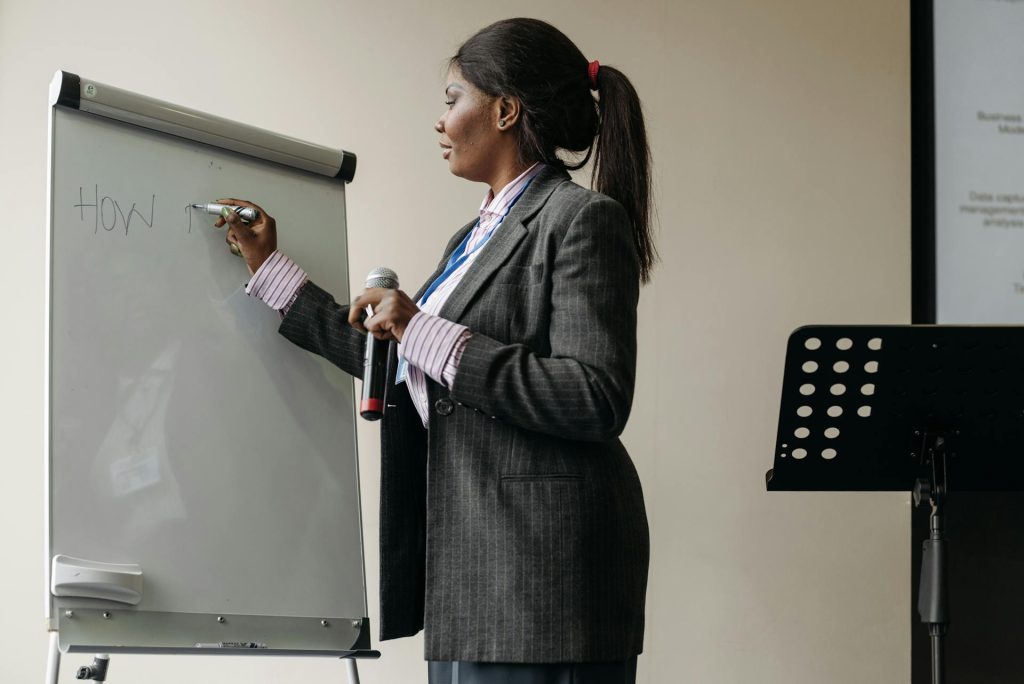
What makes someone a leader in education—not just in name, but in action? It’s easy to picture a principal with a walkie-talkie or a superintendent holding a press conference, but the real work happens in quieter, less dramatic ways. It shows up in decisions that change classrooms, support teachers, and help students feel like they belong. In this blog, we will share what makes educational leadership effective, sustainable, and relevant in today’s world.

A New Era for Leadership in Education
Educational leadership used to follow a narrow lane: earn experience, move up the ranks, then lead by example. But today’s systems don’t work that cleanly. Districts face constant policy shifts. Classrooms carry the weight of not just learning loss, but public pressure. Technology, equity, community trust—all of it lands at the feet of those trying to lead without breaking.
Leadership now requires range. It isn’t about holding authority—it’s about adapting fast, making tough calls, and building teams that can survive institutional pressure. It’s about listening well, being transparent when answers aren’t clear, and standing firm when the easiest option is to give in.
There’s also a growing recognition that education doesn’t exist in a vacuum. It sits inside a much larger context—economic gaps, cultural divides, political noise—all of which shape what happens in the classroom whether leaders like it or not. The best ones accept this and build their approach around it. They don’t retreat to policy—they engage with reality.
In response to these demands, professional development paths have evolved too. The rise of flexible, high-impact programs like an online doctorate in education leadership has opened doors for professionals who can’t afford to step away from their roles but still want to sharpen their skills. These programs offer more than just credentials. They give working educators the tools to lead systems, not just classrooms. With built-in practical application, peer networks, and coursework focused on current challenges, they allow leaders to stay connected to their work while growing beyond it.
These shifts in how leadership is learned matter because the pipeline needs people who know what school really feels like today—not what it looked like twenty years ago. And those people can’t always relocate, uproot, or pause their careers to chase a degree. This newer model offers a way forward that fits the pace and pressure of real educational work.
Leadership as Cultural Stewardship
Leadership is more than managing logistics. It’s about shaping culture. School culture isn’t defined by slogans on the wall or occasional assemblies. It’s set by tone, consistency, and response. What’s tolerated becomes normal. What’s encouraged becomes habit. The leader’s job is to notice that cycle and shape it before it becomes automatic.
That includes everything from how discipline is handled to how teachers feel when they walk into a meeting. Are student needs talked about with curiosity or frustration? Are decisions data-driven or tradition-driven? Are parents viewed as partners or potential headaches?
Leaders who understand culture don’t just chase outcomes. They focus on process. They know that change sticks when the people inside the system believe in it—and that belief is earned, not forced. It comes from trust, clarity, and follow-through.
In today’s climate, cultural leadership also means navigating issues that didn’t used to be part of the job. Leaders now weigh decisions about inclusivity, safety, public health, and community politics—all while trying to preserve learning as the central focus. The job has expanded, but the time hasn’t. Those who succeed do it by prioritizing what actually shapes outcomes, not just what draws attention.
Building Capacity Instead of Control
There’s a trap in leadership that shows up in every sector: mistaking control for effectiveness. But schools are human ecosystems. They don’t respond well to top-down mandates or rigid rule enforcement. What they need is capacity—more people thinking clearly, solving problems, and supporting one another under pressure.
The best educational leaders are multipliers. They don’t hoard decision-making. They distribute it. They trust their teams, and in return, those teams take ownership. This doesn’t mean giving up standards or letting chaos rule. It means designing systems where staff have enough autonomy to act, but enough structure to stay aligned.
One key part of this is professional development that’s practical, ongoing, and collaborative. Not box-checking sessions that repeat every year, but meaningful support that responds to real problems. It also means mentoring—not just from above, but peer to peer.
Students benefit most when the adults in the building work from a shared understanding, not just a shared schedule. That kind of coherence doesn’t happen without leadership that puts time, trust, and energy into building it.
Presence That Builds Trust
In-person presence still matters. Leaders who hide behind closed doors or only show up when something’s wrong lose credibility fast. Walk-throughs, hallway conversations, quick check-ins—these aren’t just tasks, they’re signals. They say, “I’m here. I see you. I know what’s happening.”
That visibility builds trust, and trust makes it easier to lead when things get hard. And things will get hard. Whether it’s a budget cut, a staffing crisis, or a community conflict, every school eventually hits friction. The groundwork laid during calmer times determines whether the team holds or fractures.
There’s a myth that leadership is about confidence. But the best leaders don’t pretend to know everything. They ask. They admit gaps. They take responsibility for both the plan and the outcome. That level of accountability isn’t soft—it’s the hardest part of the job. But it’s also what earns the kind of trust that doesn’t have to be demanded.
Leadership isn’t about perfection. It’s about being reliable in ways that actually help people do their work better.
The foundation of educational leadership in this moment isn’t built on charisma, credentials, or slogans. It’s built on clarity, connection, and a willingness to keep learning. As systems shift, as expectations grow, and as public scrutiny intensifies, the demand for strong, thoughtful, flexible leaders will only rise.
And those leaders won’t just shape schools. They’ll shape what communities believe is possible. That makes the work hard—but also worth every ounce of effort.
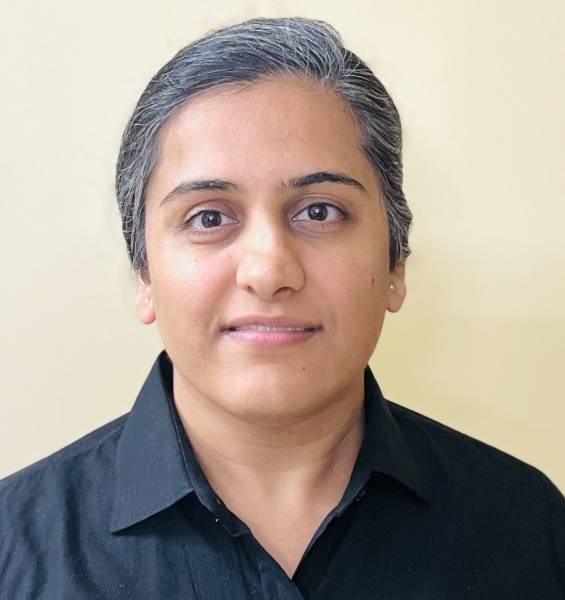
Pallavi Singal is the Vice President of Content at ztudium, where she leads innovative content strategies and oversees the development of high-impact editorial initiatives. With a strong background in digital media and a passion for storytelling, Pallavi plays a pivotal role in scaling the content operations for ztudium’s platforms, including Businessabc, Citiesabc, and IntelligentHQ, Wisdomia.ai, MStores, and many others. Her expertise spans content creation, SEO, and digital marketing, driving engagement and growth across multiple channels. Pallavi’s work is characterised by a keen insight into emerging trends in business, technologies like AI, blockchain, metaverse and others, and society, making her a trusted voice in the industry.