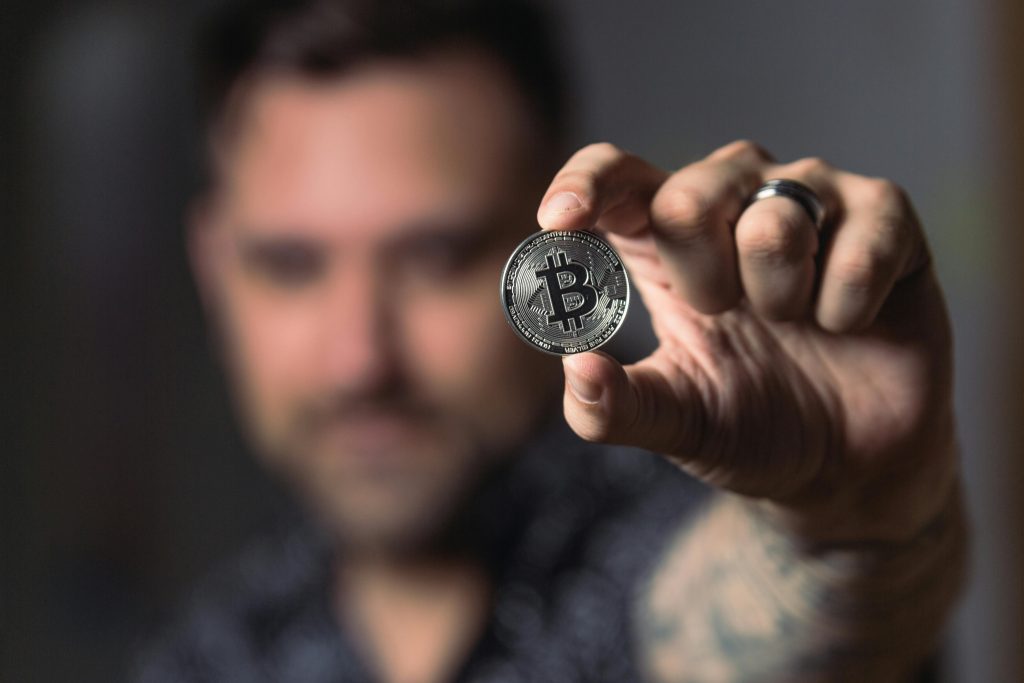
People talk about Bitcoin like it is a monolith, when the truth is most people buy tiny slices of it. A fraction is easier to digest, easier to manage and easier to justify when you do not feel like volunteering your savings to the next round of volatility. You do not need a vault, a private island or the financial swagger of a hedge fund veteran. You just need enough curiosity to buy a small amount and enough patience to understand what you own.
Fractions became the on-ramp for new investors because the price of a full Bitcoin grew faster than the average paycheque. Regular buyers learned very quickly that you do not need a whole coin to benefit from its movement. If the BTC to USD price climbs, your fraction climbs with it; if it dips, your slice dips too. The proportionality is clean, mathematical and immune to the emotional theatrics that surround this asset class.
The Simple Mechanics Behind Fractional Bitcoin
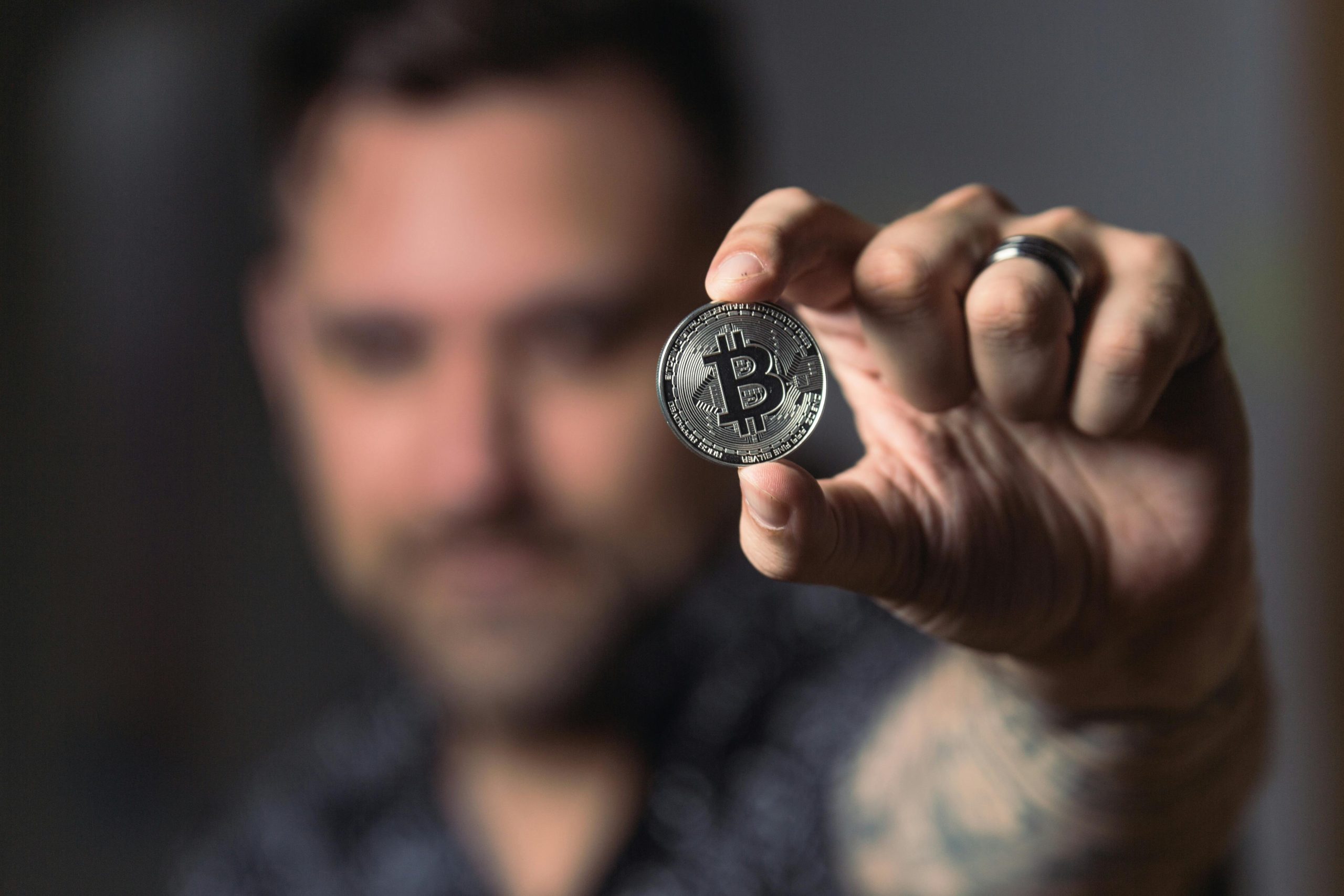
Bitcoin was designed with divisibility at its core. One BTC contains 100 million satoshis, which means you can buy as little as 0.00000001 BTC without breaking the rules of the network. This is native to the protocol. The designers built the asset this way to make microtransactions possible, and that same structure makes micro ownership possible.
Small entry points also reduce the psychological hurdle. A broad survey of potential investors found that in 2019, 59 percent of respondents said the ability to start small influenced their decision. By 2020, that figure had risen to 65 percent.
People buy fractions because it lets them participate without committing to a life-altering decision. The structure nudges newcomers to invest a little at a time instead of going all in and regretting it later.
The Mindset Behind The Purchase
Believe it or not, the jump from interest to ownership is about more than money. A 2024 psychological study found that people with high openness to change were more likely to adopt crypto, while individuals who valued personal advancement tended to progress from curiosity to actual buying.
Another cross-country study in Denmark, Finland and Sweden found that trust plays an outsized role. People with higher financial trust were significantly more likely to own crypto. Confidence in financial interactions with strangers, oddly enough, predicts whether someone will buy Bitcoin in the first place.
When Fractional Bitcoin Helps And When It Hurts
Fractional buying supports consistent investing habits. A method known as dollar cost averaging lets you buy small amounts at regular intervals. Over time, you capture a blend of highs and lows instead of attempting to call the exact top or bottom. Research on investor behavior shows that many people fall victim to the disposition effect, selling winners too early and holding losers too long. Small, automated buys help protect you from your own impulses.
The academic literature on Bitcoin increasingly frames it as both a speculative and alternative asset. It allows you to hold a digital bearer asset, and fractional ownership gives you room to learn it slowly.
Richard Teng, CEO of Binance, recently remarked in an interview that global adoption ‘often starts with a single domino.’ He added that now that crypto is being recognized as a legitimate financial instrument inside one of the world’s largest retirement systems, the question is no longer what but when. His point reflects why fractional buying matters. If institutions are entering slowly, individuals can enter slowly too.
How To Buy Fractions Safely
Buying a slice of Bitcoin is not complicated, but buying it safely requires structure. Here is a grounded checklist.
• Set a budget that sits comfortably inside your disposable income.
• Keep your purchases small and regular instead of episodic and emotional.
• Move your Bitcoin to a wallet where you control the private keys.
• Store backup phrases offline and never share them.
• Track how much of your portfolio is allocated to BTC to avoid silently ballooning during bullish periods.
• Revisit your strategy quarterly so you remain intentional rather than reactive.
Although risk still exists, these habits anchor you to a process to keep you from drifting into decisions that contradict your own plan.
The Practical Bottom Line
As Yi He, Co-Founder of Binance, said, “Crypto is not just the future of finance. It is already reshaping the system one day at a time.” That observation reads less like a prediction and more like a report from inside the machine. Fractional buying is part of that steady reshaping. It broadens access without diluting responsibility.
People buy fractional Bitcoin because the system was designed for it, because the price of a full coin has moved out of reach for most, and because fractional ownership lets newcomers explore without overcommitting. The research is clear. Values, trust, personality and structure all shape the decision to step in. If you enter with discipline and a plan, fractional Bitcoin becomes a tool rather than a gamble.

Peyman Khosravani is a global blockchain and digital transformation expert with a passion for marketing, futuristic ideas, analytics insights, startup businesses, and effective communications. He has extensive experience in blockchain and DeFi projects and is committed to using technology to bring justice and fairness to society and promote freedom. Peyman has worked with international organizations to improve digital transformation strategies and data-gathering strategies that help identify customer touchpoints and sources of data that tell the story of what is happening. With his expertise in blockchain, digital transformation, marketing, analytics insights, startup businesses, and effective communications, Peyman is dedicated to helping businesses succeed in the digital age. He believes that technology can be used as a tool for positive change in the world.