It is often believed that since one is able to pay the minimum amount of his or her credit card bills or loans, he or she is handling his or her debt in a responsible manner. Although it is a good idea to keep abreast of the payments, it does not always imply that your financial state is safe, or your debt is not out of control. Minimum payments usually only pay the interest and a small part of the principal being kept in stasis or even increasing with time. A debt management program would also enable a systematic way of clearing the balances in a more efficient manner which would give relief in the long run even to those who are not defaulting on the bills. The slow rate at which you are paying debts may be frustrating and restrictive despite the fact that you are actually paying debts on time.

Understanding the Limitations of Minimum Payments
Minimum payments can be so deceptive since it creates the perception of improvement yet the principle barely changes. These payments are often charged by credit card companies at a very low percentage of the outstanding debt which causes interest to keep accumulating. Though it is superior to defaulting on payments and attracting penalties, this approach keeps the borrowers in a slow spiral of debts with no clear deadline of how they can fully repay.
Minimal payments may plunge financial crises to uncontrollable levels to the person making minimum payments. In case deficit spending is not planned to pay off debt faster, the unforeseen costs can result in further debts with the same effect of adding to the debt. A debt management plan can rearrange these payments into a systematic plan that is more effective in balancing the payments of the balances without losing financial stability.
Benefits of Structured Payment Plans
The possibility to reduce a number of debts into one monthly payment is one of the main benefits of a debt management plan. Debt consolidation makes the aspect of handling many accounts less complicated and in most cases, the interest rates are low making the repayment process to be less difficult. This can also streamline the process as for example, missed payments can be minimized and there is better financial planning.
Moreover, a debt management plan gives advice and assistance of credit counselors who may negotiate with creditors on behalf of the consumer. This can be in the form of lowering the interest rates or even waving the charges thus speeding up the process of repayment. Through a plan to work, individuals would be able to concentrate on getting rid of the debt in a systematic manner and not just on the minimum payment requirements.
Long-Term Financial Stability
Engaging in a debt management program too will enhance the financial wellbeing in the long-run by instilling a sense of discipline in the way they spend and an active budgeting process. Such skills are required in order to avoid accumulation of debt in the future and create a base towards financial security. In the long term, having a plan is successful in recovering creditworthiness and expanding access to larger financial objectives like home purchase or retirement plan.
A debt management plan can still be a better solution, even when one takes into consideration other options like a consumer proposal, which is a formal agreement to repay debts at reduced value to the full value of the debts, as long as one can repay their debts but would prefer to do this in a shorter period. It is flexible and it is not accompanied by legalities and long-term effects like the more formal options of debt settlement.
Psychological and Emotional Value
Having a large debt when making the minimum payments can be a psychological strain. Many borrowers are faced with anxiety, stress and a sense of being trapped. A debt management plan offers a real-life course of action and is less uncertain and people gain hope in their financial choices.
The sense of achievement is also brought out through the structured repayment where one can monitor the progress and also by achieving milestones. This emotional support can encourage regular financial habits and save the future recurrence of debts. Being aware that the active reduction of the debt is planned can bring as much emotional as financial value as it contributes to the overall well-being.
Minimal payments would not mean that you are in control of your debt and that your financial future is stable. Prolonged debt may be lowered by the debt management plan through the slow rate of payment, interest payments and the emotional burden tied to repaying the debts. Through consolidation, professional advice, and effective repayment plan, one is able to make quicker and more certain steps towards financial liberation. Even when current on their due it can be seen that a debt management plan can offer the clarity, support, and impetus needed to get themselves under control again and achieve long-term stability.
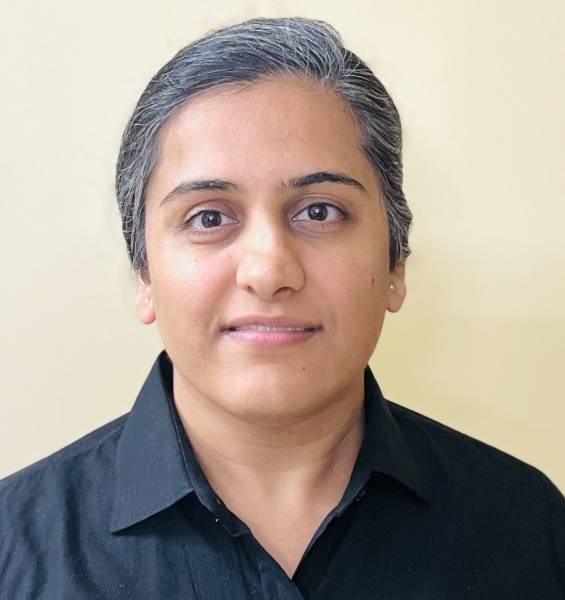
Pallavi Singal is the Vice President of Content at ztudium, where she leads innovative content strategies and oversees the development of high-impact editorial initiatives. With a strong background in digital media and a passion for storytelling, Pallavi plays a pivotal role in scaling the content operations for ztudium’s platforms, including Businessabc, Citiesabc, and IntelligentHQ, Wisdomia.ai, MStores, and many others. Her expertise spans content creation, SEO, and digital marketing, driving engagement and growth across multiple channels. Pallavi’s work is characterised by a keen insight into emerging trends in business, technologies like AI, blockchain, metaverse and others, and society, making her a trusted voice in the industry.