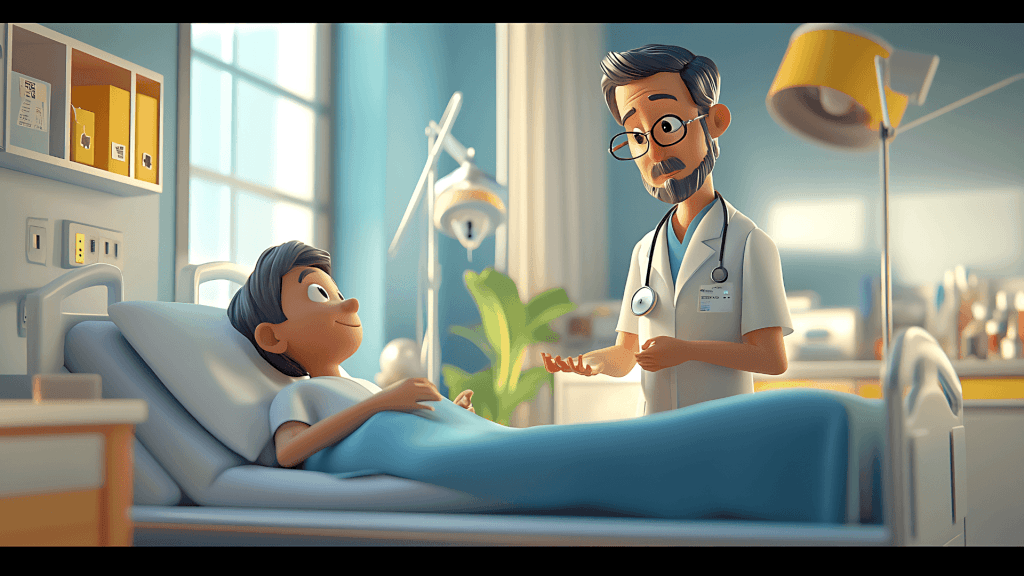
It may be a difficult task to explain to children about health problems since medical terminology is usually complicated and abstract. Children and adolescents cannot comprehend what goes on within their bodies or why some illnesses require some treatments. Fear and confusion should be minimized by establishing effective communication with children that makes them feel like part of their own care. In this regard, the value of visual tools has grown, as they provide fresh opportunities to facilitate comprehension in a soft and uncomplicated way.
Visual Learning
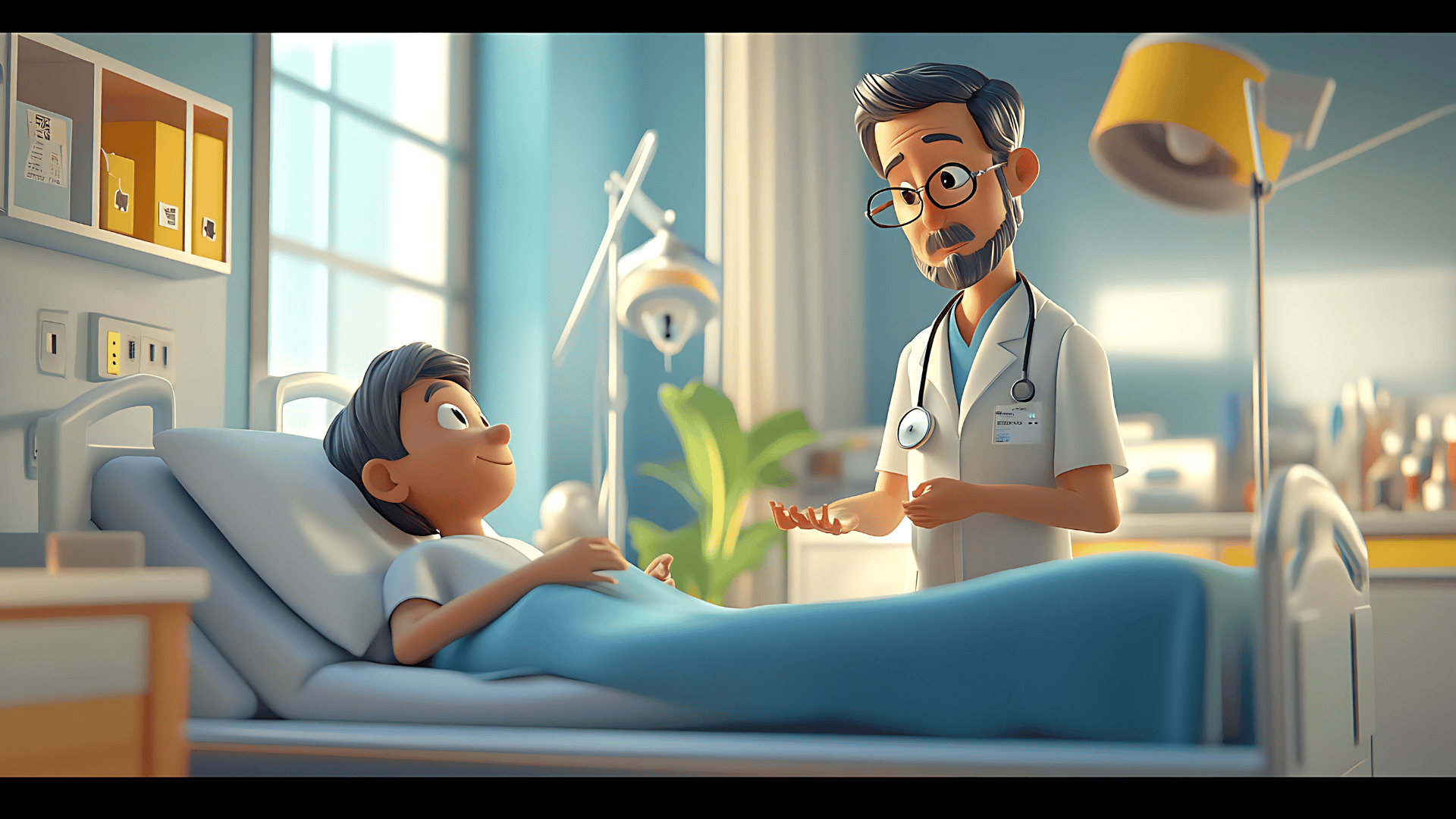
Children are more inclined to learn by seeing things than by their spoken complex description. When the medical information is displayed in visual form, they are able to understand ideas that might be confusing or intimidating to them otherwise. Animation images are able to demonstrate the functioning of the body in a simplified and age-adjusted manner and allow children to observe it rather than visualize what is being talked about. This is also beneficial because it will help them understand more without overloading them with medical terminologies.
Having 3D medical animations enables complex health concerns to be subdivided into clear engaging images. Rather than using static diagrams, animation can be used to show movement, cause and effect and time-based change. This will enable children to know how something works like how an illness occurs or how a treatment gets the body to get better. Visual explanations enhance memory and decrease confusion by making the process of learning more intuitive.
Emotional Support
The medical settings are also stressful to the children and more so when they lack knowledge of what is being done to them. Not knowing may be a cause of fear, unclear explanations may add to anxiety. The visual animations assist in lessening this fear by offering some predictable and friendly explanations of the medical situations. Children will feel calmer and cooperative during treatment and appointments when they are aware of what to expect.
Sensitive issues can also be conveyed by animations less frighteningly. Emotional comfort is maintained with soft colors, simply rendered characters and a slow pace of animation with the ability to provide accurate information without being graphically violent which makes children safe in processing information. This emotional reassurance helps in developing trust between the young patients and the health care providers.
Family Communication
Elucidated explanations are not only useful to children but also families. Parents also find it difficult to interpret medical information and present it in a form that can be comprehended by their children. The visual tools provide a common source between children and parents, a place where they can look at together. This provides the possibility of open and inquisitive discussion and questioning, which enhances the family involvement of the care process.
Learning by families can be sustained even at home when 3D medical animations are used. Restatement of animation is beneficial in both building on knowledge and continuing health dialogues. This mutual understanding helps the family to make better decisions and motivate children to become an active participant in their wellbeing. Visual animation can be an effective tool of elucidating health problems of children when it is facilitated by clarity and confidence.
Conclusion
3D medical animation provides a powerful way to explain children’s health issues in a manner that is clear, supportive, and age appropriate. By combining visual learning with emotional sensitivity, animations help children better understand their bodies and medical care without feeling overwhelmed. This improved understanding can reduce fear, encourage cooperation, and build trust throughout the healthcare experience.
As healthcare communication continues to evolve, visual tools will play an increasingly important role in pediatric care. When children and families can clearly see and understand health information, they are better prepared to engage in treatment and long term care decisions. Through thoughtful use of animation, healthcare providers can create more positive and effective experiences for young patients and their families.

Pallavi Singal is the Vice President of Content at ztudium, where she leads innovative content strategies and oversees the development of high-impact editorial initiatives. With a strong background in digital media and a passion for storytelling, Pallavi plays a pivotal role in scaling the content operations for ztudium’s platforms, including Businessabc, Citiesabc, and IntelligentHQ, Wisdomia.ai, MStores, and many others. Her expertise spans content creation, SEO, and digital marketing, driving engagement and growth across multiple channels. Pallavi’s work is characterised by a keen insight into emerging trends in business, technologies like AI, blockchain, metaverse and others, and society, making her a trusted voice in the industry.