
Managing assets well is one of the quiet advantages behind any growing business. Get it right, and you free up cash, speed up projects, and avoid nasty surprises when demand spikes. Get it wrong, and you tie up capital, lose track of gear, and pay too much for space you don’t need.

Right-size what You Store
Not every item deserves a permanent spot on your floor. Classify stock and equipment by how often it’s used, its replacement lead time, and its risk if it goes missing. A simple split between fast-movers, slow-movers, and seasonal items works well – and it lets you move lower-priority items offsite while keeping the essentials close. Storage should support work, not get in the way. That’s why many teams park rarely used materials in locations that are easy to reach when needed, like Gladstone storage sheds for regional crews, then keep daily tools and consumables at the point of use. The goal is to shrink clutter and shorten the path between task and tool.
Use Data To Tune Inventory Levels
Forecasts don’t need to be complicated to be useful. Start with recent sales or job usage, add supplier lead times, and set clear minimums and maximums that trigger a restock. Review every month and tighten the rules as signals get cleaner.
A 2024 inventory benchmark built from thousands of SMB datasets noted that better visibility across the supply chain is now table stakes, and that teams using simple exception alerts avoid most stockouts before they happen. The takeaway is practical – small improvements in demand sensing and order timing often beat heroic last-minute purchases.
Track Assets from Door To Desk
Asset tracking used to feel like overkill for smaller firms. That’s changing as tags, readers, and software get cheaper and easier to plug in. Tie your tools, containers, and high-value parts to a unique ID, and you can see where everything is, who used it last, and when it needs service.
Industry analysts expect the asset tracking market to climb from roughly $26B in 2025 toward more than $70B by 2034, reflecting how common these systems are becoming. That growth mirrors the day-to-day reality on jobsites and shop floors – fewer lost items, faster checkouts, and cleaner maintenance logs mean real money and fewer delays.
Segment Storage By Business Value
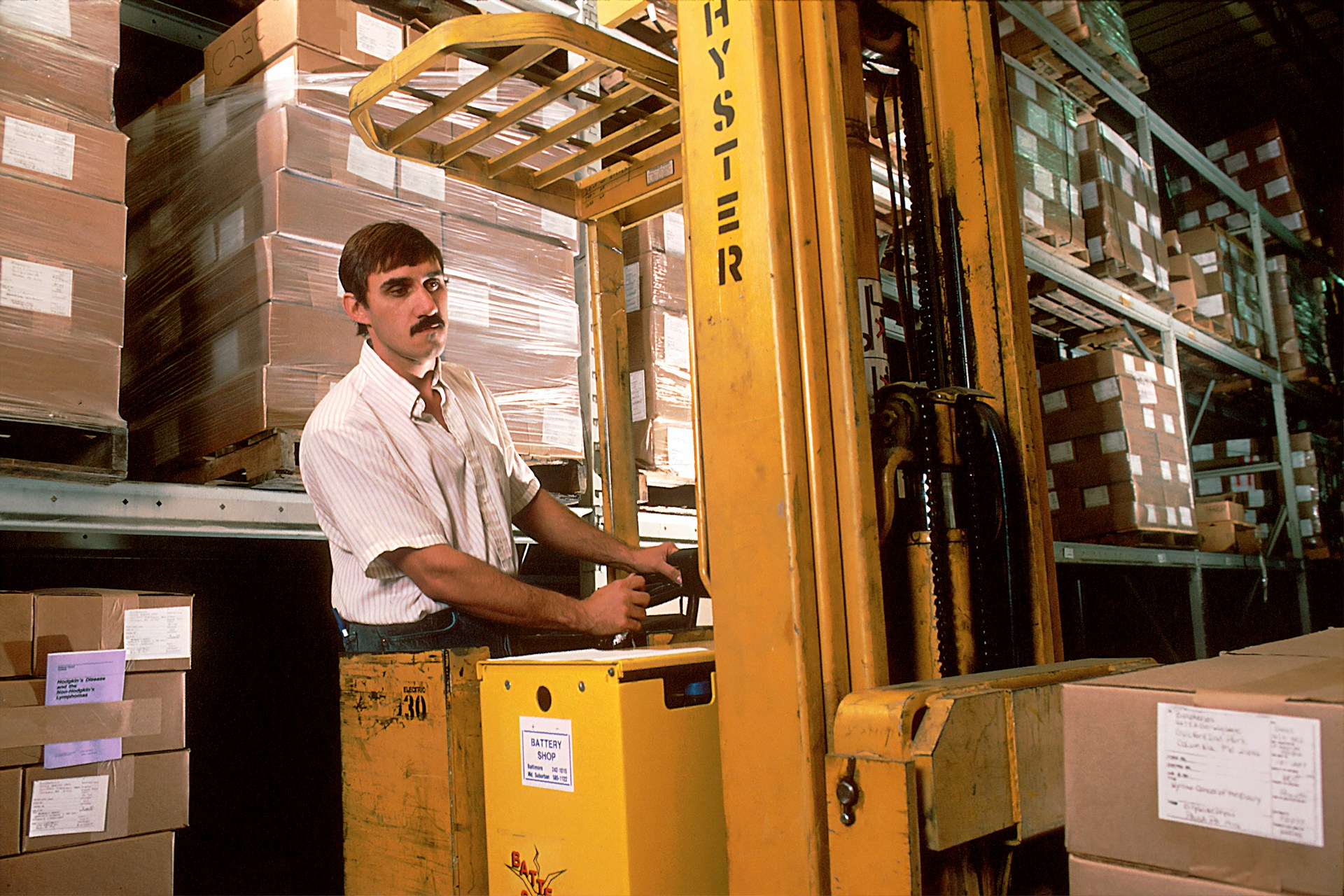
Space is not one-size-fits-all. High-turn items earn the right to be closest to receiving and dispatch, with wide aisles and short walks. Low-turn or bulky items can live deeper in the layout, possibly palletised or containerized, so they can move as a unit.
Place heavy picks at waist height, keep ladders rare, and use clear labels that match your system of record. When you move slow stock offsite, record bin and bay locations so retrieval feels like a quick errand, not a treasure hunt.
Plan Growth with Flexible Capacity
Demand rarely grows in a straight line. Build a base footprint that fits normal operations, then layer on options for peak periods. Short-term storage, modular racking, and rentable cages keep you agile without pushing you into long leases too soon.
When expansion does arrive, treat moves as an opportunity to standardise locations, naming conventions, and scanning routines. A crisp move plan – with temporary staging and cutover dates – protects service levels while you scale.
Make a Simple Governance Checklist
Processes keep good habits from drifting. Appoint asset owners for each area, set quarterly cycle counts, and schedule service for critical equipment. Use exception reports to highlight what’s missing or overdue so teams fix the few things that matter most.
Teach every employee the basics: scan in, scan out, and speak up when counts feel off. Most shrinkage and confusion disappear when people understand the why behind the workflow and can see the status in real time.
Turn Storage into a Working Asset
Think of storage as a tool, not a tax. When your layout, counts, and tracking work together, you cut waste, protect uptime, and make faster calls on what to buy or move. Group high-turn items close to dispatch, label clearly, and keep a small staging zone so jobs flow without extra handling. Offsite space should mirror the same rules with named bins, simple maps, and a quick pick checklist. Add light automation where it pays back, like barcode scans at the door or a weekly exception report for slow movers. Do this and storage stops soaking up cash – it starts supporting smarter schedules, quicker projects, and steady growth month after month.
A smart asset plan doesn’t shout, but it pays off in smoother days and steadier growth. Keep tuning the system a little each month – the small wins compound, and the result is a business that moves lighter and runs faster.

A dad of 3 kids and a keen writer covering a range of topics such as Internet marketing, SEO and more! When not writing, he’s found behind a drum kit.