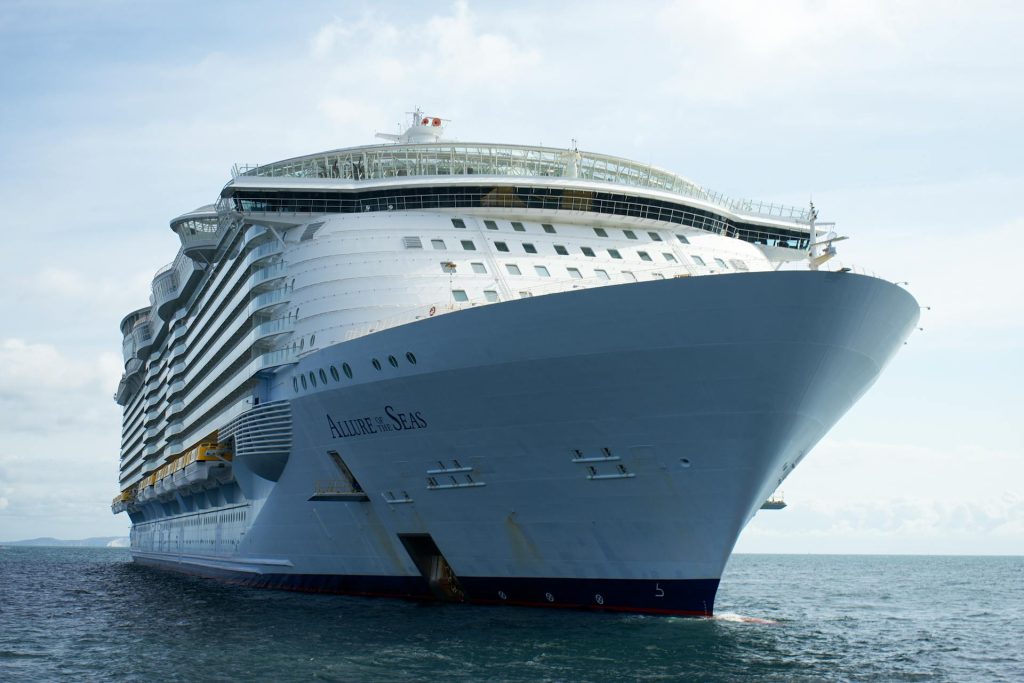
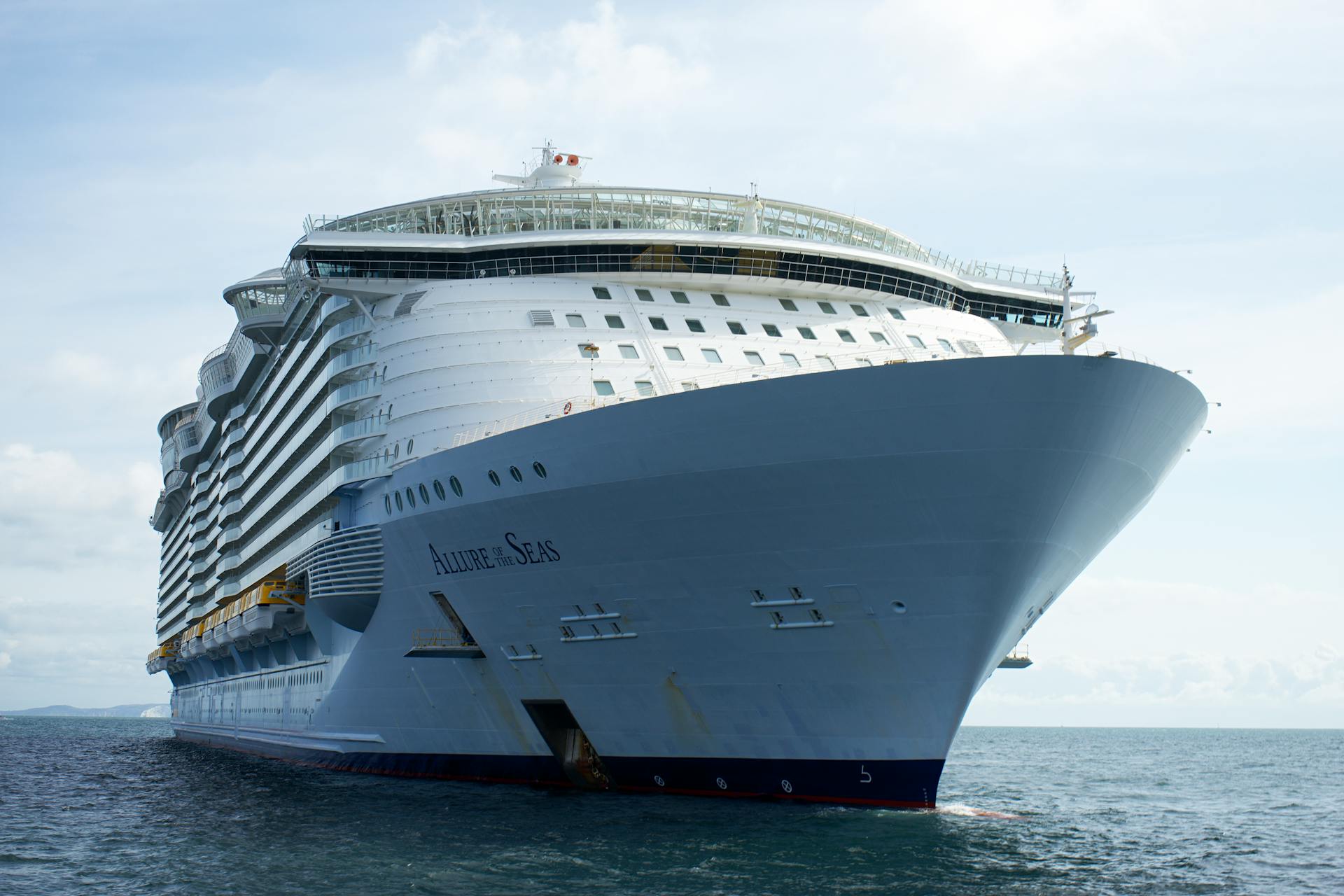
Cruise vacations are often seen as relaxing and family-friendly getaways. Families choose cruises for the convenience of onboard activities, entertainment, and travel to multiple destinations. While most trips go smoothly, accidents and injuries can happen at sea. Growing awareness of safety concerns on cruise ships has made it important for families to understand their legal rights if someone gets hurt.
Filing an injury claim after a cruise ship accident is different from handling a typical personal injury case on land. Cruise lines operate under unique laws and contracts that can affect when, where, and how a claim is filed. Knowing what to expect can help families act quickly and protect their interests.
Common Injuries on Cruise Ships
Cruise ships are like floating cities, and accidents can occur in many areas. Common injuries include slips and falls on wet decks, stairway accidents, food poisoning, swimming pool injuries, and injuries during shore excursions. Children may be especially vulnerable in play areas, pools, and crowded spaces.
Some injuries result from poor maintenance, while others may involve a lack of supervision or inadequate safety measures. Understanding how the injury happened is an important first step in determining whether the cruise line may be responsible.
Why Cruise Ship Injury Claims Are Different
One of the biggest differences in cruise ship injury claims is maritime law. Most cruise lines require passengers to follow specific legal rules outlined in the passenger ticket contract. These contracts often limit where lawsuits can be filed and how much time families have to take legal action.
In many cases, families must file a written notice of the claim within a short period, sometimes as little as six months. Lawsuits may also need to be filed in a specific court, such as a federal court in a designated state. Missing these deadlines can result in losing the right to compensation.
Who May Be Liable for the Injury
Liability depends on who caused the injury and where it occurred. The cruise line may be responsible if the injury was caused by unsafe conditions, poorly trained staff, or failure to warn passengers of known hazards. Examples include slippery floors without warning signs or broken handrails.
In some cases, a third party may be responsible. This is common during shore excursions operated by independent companies. While the cruise line may argue it is not responsible, liability may still apply depending on how the excursion was advertised or managed.
What Families Should Do After an Injury
If an injury occurs, families should report it to the ship staff immediately and request a written incident report. Seeking medical attention onboard is important, even for injuries that seem minor. Medical records can serve as valuable evidence later.
Families should also document everything. Taking photos of the accident scene, collecting witness names, and keeping copies of medical bills can strengthen a claim. Saving the passenger ticket contract and any related documents is also critical.
Time Limits and Legal Deadlines

Cruise ship injury claims are subject to strict time limits. Unlike standard personal injury cases, which may allow several years to file, cruise claims often have much shorter deadlines. These limits are usually stated in the passenger contract.
Because these deadlines can be confusing, families should act quickly. Waiting too long may prevent recovery of compensation for medical expenses, lost income, and pain and suffering.
Why Legal Guidance Matters
Cruise lines are large corporations with experienced legal teams. They may deny responsibility or offer low settlements to resolve claims quickly. Families unfamiliar with maritime law may feel overwhelmed by the process.
Speaking with a legal professional who understands cruise ship injury claims can help families understand their options. Proper guidance can ensure deadlines are met and claims are handled correctly.
Key Takeaways
- Injuries on cruise ships can happen due to unsafe conditions or poor supervision.
- Cruise ship injury claims are governed by maritime law and ticket contracts.
- Strict deadlines often apply, sometimes as short as six months.
- Liability may involve the cruise line or third-party excursion operators.
- Acting quickly and documenting evidence can protect a family’s right to compensation.

Peyman Khosravani is a global blockchain and digital transformation expert with a passion for marketing, futuristic ideas, analytics insights, startup businesses, and effective communications. He has extensive experience in blockchain and DeFi projects and is committed to using technology to bring justice and fairness to society and promote freedom. Peyman has worked with international organizations to improve digital transformation strategies and data-gathering strategies that help identify customer touchpoints and sources of data that tell the story of what is happening. With his expertise in blockchain, digital transformation, marketing, analytics insights, startup businesses, and effective communications, Peyman is dedicated to helping businesses succeed in the digital age. He believes that technology can be used as a tool for positive change in the world.