

If you talk to most engineers today, you will hear the same concern again and again. Teams feel pressure to ship features faster, fix bugs quicker, and keep systems stable, all at the same time. Deadlines keep moving closer, while expectations keep growing. Over time, this pace can drain energy and motivation.
The good news is that speed does not have to come from pushing people harder. Many modern engineering teams move fast without burning out because they focus on better ways of working. They improve processes, reduce friction, and support their engineers as people, not just as resources. This article looks at how those teams do it in a practical and realistic way.
Building Strong Foundations for Faster Development
Before teams think about speed, they need a solid foundation. Fast teams do not rely on shortcuts or last-minute fixes. They spend time building workflows that prevent problems before they grow into bigger issues.
A key part of this foundation is how teams handle everyday code changes. Practices like Continuous Integration help teams automatically build and test code as soon as new changes are added. This quick feedback helps engineers spot issues early, instead of discovering them days later during a release. As a result, teams avoid stressful rollbacks and long debugging sessions late in the day. Over time, this creates more trust in the code and more confidence when shipping updates.
Strong foundations also come from working in small, frequent changes rather than large batches. Smaller updates are easier to review and test, and they reduce the risk of unexpected failures. Engineers spend less time untangling complex problems and more time moving work forward in a steady, predictable way.
Reducing Cognitive Load for Engineers
Burnout often comes from mental overload, not just long hours. When engineers must remember many steps, tools, and rules, even simple tasks feel exhausting. Modern teams work hard to reduce this cognitive load.
They standardize tools and workflows across projects. Instead of every team using a different setup, they align on shared practices. This makes it easier for engineers to move between projects and understand systems quickly.
Clear documentation also plays a role. Teams write simple guides that explain how things work and where to find help. Engineers waste less time searching for answers or guessing what to do next. When mental effort goes down, productivity and morale go up.
Making Automation a Daily Habit
Automation removes repetitive work from engineers’ plates. Modern teams treat automation as part of daily work, not as a side project they plan to tackle later.
They automate tasks like running tests, checking code quality, and preparing releases. This means engineers do not have to manually repeat the same steps every time they make a change. Automation also reduces human error, which saves time and frustration.
Teams that automate early build confidence in their systems. Engineers trust that problems will surface quickly, instead of hiding until the worst moment. This trust makes it easier to move faster without fear.
Encouraging Healthy Team Communication
Fast teams communicate clearly and often. They do not rely on last-minute messages or long meetings filled with confusion. Instead, they create simple channels for sharing updates and asking questions.
Regular check-ins help teams stay aligned without adding pressure. Engineers know what others are working on and can spot issues early. When someone feels stuck, they can speak up without worrying about blame.
Healthy communication also means setting realistic expectations. Teams that openly discuss timelines and risks avoid rushed work later. This openness helps prevent burnout caused by constant urgency.
Balancing Speed With Code Quality
Many teams worry that moving fast will hurt code quality. Modern engineering teams show that this tradeoff is not required. They focus on steady improvement instead of chasing perfect code on every release. This mindset helps teams move forward without creating unnecessary friction.
Clear coding standards play an important role here. When everyone follows the same patterns, code becomes easier to read and maintain. New team members can understand the codebase faster, and reviews take less time. Code reviews also stay constructive. Engineers focus on sharing ideas and improving solutions rather than pointing out faults.
Testing supports this balance as well. Teams choose tests that provide real value instead of aiming for full coverage at any cost. They prioritize tests that catch common failures and risky changes. By doing this, teams protect quality while keeping builds fast and feedback timely. Engineers avoid the stress of slow pipelines and unreliable tests.
Supporting Sustainable Work Habits
Leaders strongly influence whether teams burn out or stay healthy. Teams that ship code faster often work under leaders who respect personal boundaries and model healthy habits themselves. This creates a culture where engineers feel supported, not pressured.
These teams do not reward long hours or late-night work. They value outcomes over time spent online. Engineers are encouraged to block focus time, step away from work, and take real breaks. When people return rested, they think more clearly and solve problems faster.
Planning also supports sustainability. Teams avoid filling every sprint to its limit. They leave space for bugs, feedback, and unexpected requests. This buffer reduces stress and helps teams stay calm when plans change.
Measuring Progress Without Micromanaging
Modern teams track progress, but they avoid turning metrics into control tools. They pick a small set of indicators that show how work moves through the system. These signals help teams understand patterns without creating pressure.
Metrics such as build success or release frequency offer useful insight when used correctly. Teams review them together and look for ways to improve workflows. They do not use numbers to rank people or assign blame. This keeps conversations focused on systems, not individuals.
This style of measurement builds transparency and trust. Engineers know where things stand and feel safe raising concerns. Teams adjust their approach based on shared data, which leads to steady improvement without constant oversight.
Shipping code faster does not require pushing engineers to the edge. Modern teams succeed by improving how they work, not by demanding more effort from people. They build strong foundations, reduce mental load, automate wisely, and communicate clearly. They protect quality while supporting healthy work habits.
When teams focus on sustainability, speed becomes a natural result. Engineers stay engaged, confident, and motivated. Over time, this leads to better software and happier teams, which is the real measure of success.
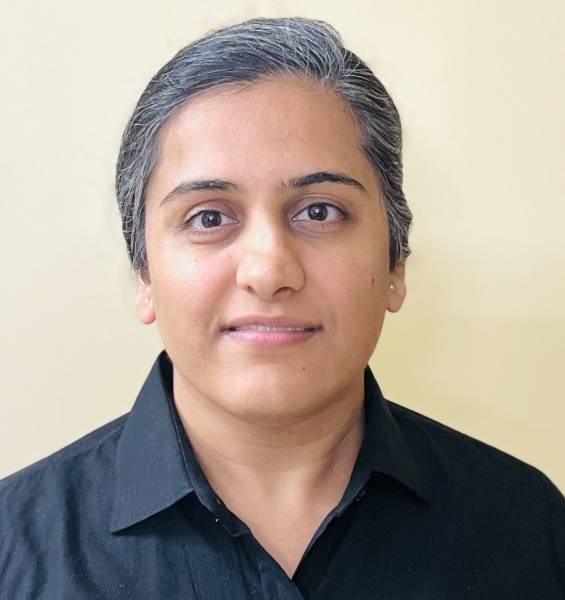
Pallavi Singal is the Vice President of Content at ztudium, where she leads innovative content strategies and oversees the development of high-impact editorial initiatives. With a strong background in digital media and a passion for storytelling, Pallavi plays a pivotal role in scaling the content operations for ztudium’s platforms, including Businessabc, Citiesabc, and IntelligentHQ, Wisdomia.ai, MStores, and many others. Her expertise spans content creation, SEO, and digital marketing, driving engagement and growth across multiple channels. Pallavi’s work is characterised by a keen insight into emerging trends in business, technologies like AI, blockchain, metaverse and others, and society, making her a trusted voice in the industry.