For a long time, Europe’s business map looked predictable: Luxembourg for taxes and fund registration, Cyprus for sea breezes and flexible fintech, and Berlin or London for scaling. However, in recent years a tectonic shift has taken place in the central part of the continent.
Poland has stopped being perceived as the “back office of Europe” with cheap labor. Today, it is a dynamic center of gravity chosen by founders and asset managers from the CIS countries, Asia, and the United States as the most logical and promising entry point into the EU single market.
A Paradigm Shift: From “Cheap Location” to “Quality Capital”
The main myth about Poland is its focus on low costs. Undoubtedly, operating expenses here are lower than in Paris or Zurich, but today investors are attracted by something else: the depth of human capital.
• Engineering and analytical base: Poland consistently ranks among the top countries globally for the quality of training of programmers and financial analysts (HackerRank, PISA).
• “Substance” culture: Unlike classic offshore jurisdictions, where a company’s office is often just a mailbox, in Poland regulators and partners expect real presence. This creates a healthy ecosystem where a business has a “body” — real teams, expertise, and local integration.
• Market access: Poland is not only 38 million domestic consumers, but also the shortest path to capital and clients across the entire Eurozone.
Business Residence Permit: A Tool of Global Mobility
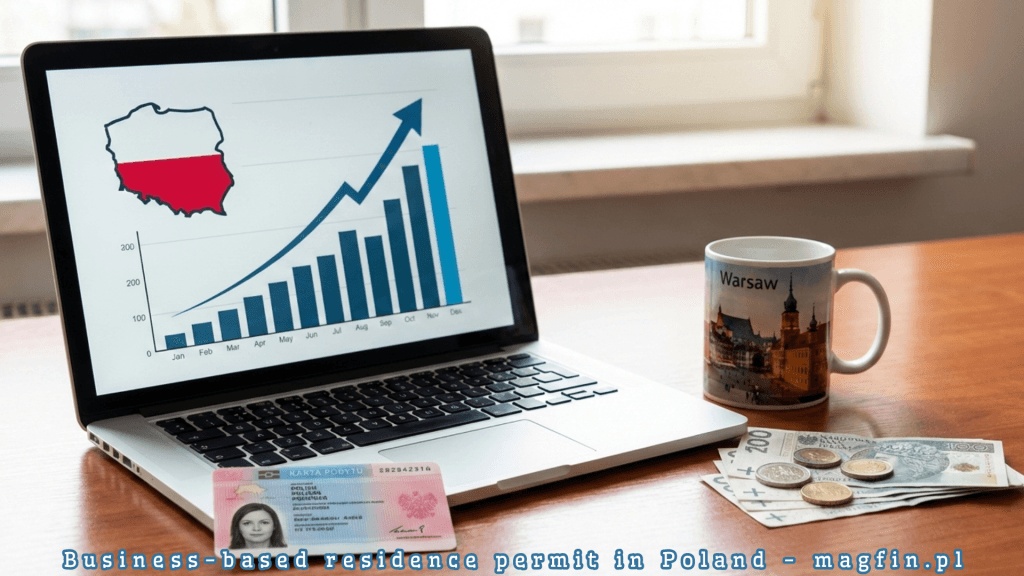
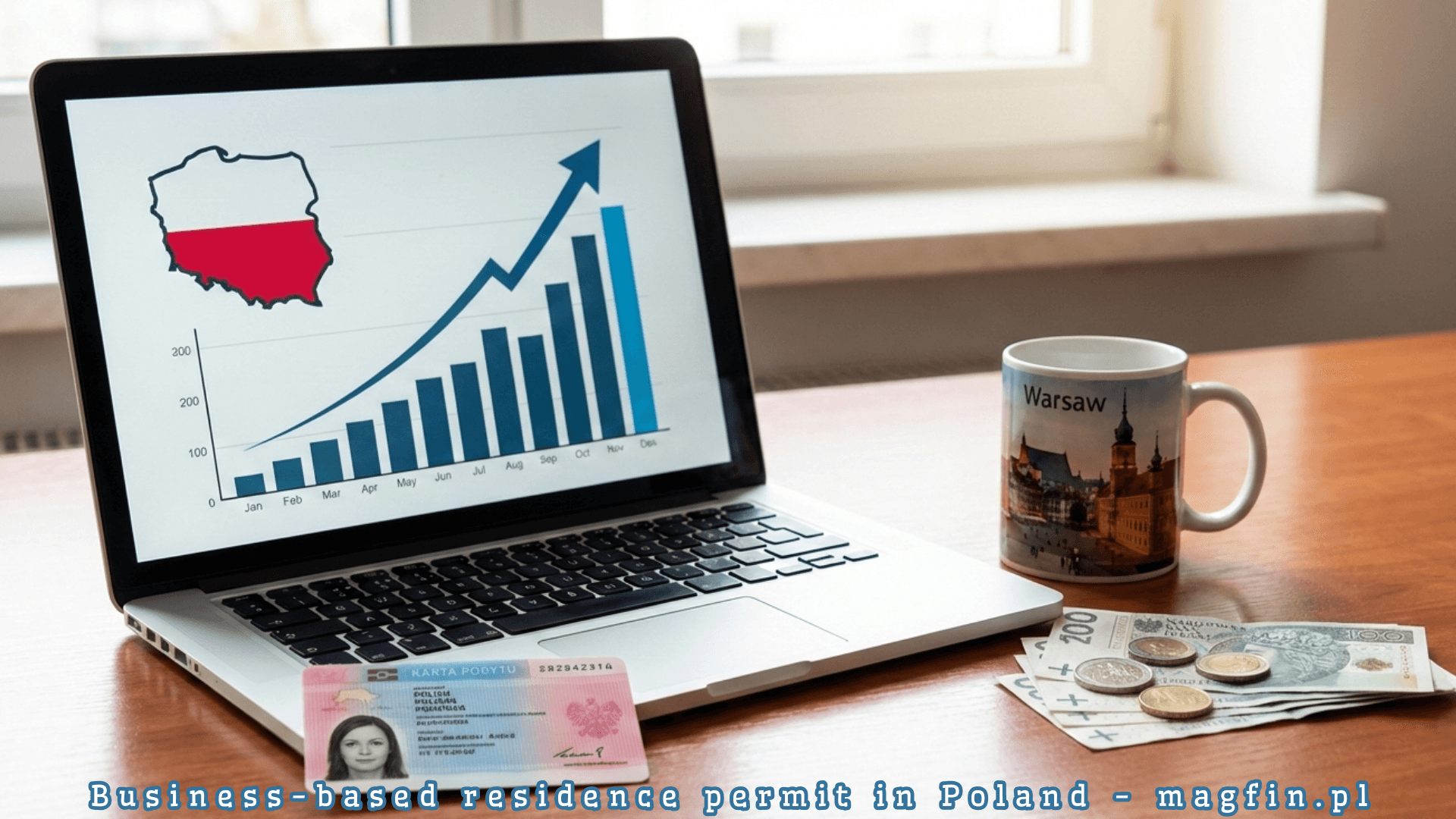
For founders from non-EU countries, Poland offers one of the most straightforward legalization mechanisms through a business residence permit (zezwolenie na pobyt czasowy).
This is not just the right to reside; it is a strategic tool:
• Freedom of movement: A holder of a Polish residence card gains the right to visa-free travel throughout the entire Schengen Area. For an asset manager, this means the ability to hold a meeting in Warsaw in the morning and dine with investors in Milan or Paris in the evening.
• Family relocation: Poland offers a friendly environment for family migration, including access to quality education and healthcare, which is critically important for founders relocating key employees.
• Path to permanent residence and citizenship: Clear rules of the game make it possible to plan life on a 5–10-year horizon.
A Bridge Between Worlds: CEE as a Springboard to the West
Poland’s geographic position — its historical curse — has become an economic blessing. Today, Warsaw is the main hub of the CEE (Central and Eastern Europe) region.
For founders from non-EU countries, Poland serves as a “decompression chamber.” The mentality and business processes are more understandable here than in conservative France, while the rules of the game already fully comply with EU directives. It is an ideal testing ground for a product before expanding into the markets of Germany or Scandinavia.
The Banking System: A Fortress in an Era of Turbulence
The stability of Polish banks has come as a pleasant surprise to many international investors. While some banks in “old Europe” faced liquidity crises, the Polish banking sector demonstrated:
- A high level of digitalization: Polish fintech and banking applications (for example, the BLIK system) are considered among the most advanced in the world.
- A conservative approach to risk: Strict supervision by the KNF (Financial Supervision Authority) ensured the system’s resilience to external shocks.
- Loyalty to international business: Despite strict compliance, Polish banks are willing to work with international structures if they demonstrate transparency and real activity (substance).
Summary: Warsaw’s Time
Poland today is not about saving money, but about efficiency. For asset managers and founders, this is a rare opportunity to find a location where a “white” European jurisdiction is combined with a huge talent pool and high speed of business processes.
“Ascent on the Vistula” is a long-term trend. In a world where mobility and access to talent decide everything, Warsaw is becoming a new point of convergence for those who have outgrown their local markets and are ready for a global game.
Want to learn more about the specific steps to obtain a residence permit based on business in Poland? We will prepare a step-by-step checklist for you: magfin.pl

Shikha Negi is a Content Writer at ztudium with expertise in writing and proofreading content. Having created more than 500 articles encompassing a diverse range of educational topics, from breaking news to in-depth analysis and long-form content, Shikha has a deep understanding of emerging trends in business, technology (including AI, blockchain, and the metaverse), and societal shifts, As the author at Sarvgyan News, Shikha has demonstrated expertise in crafting engaging and informative content tailored for various audiences, including students, educators, and professionals.