So, you’ve heard the term ‘bonds finance meaning’ tossed around, and maybe you’re wondering what it’s all about. Think of bonds as a way for governments and companies to borrow money. When you buy a bond, you’re essentially lending them cash for a set amount of time. In return, they promise to pay you back with interest. It sounds pretty straightforward, but there’s a bit more to it. Let’s break down how these financial tools work, what makes them tick, and why people invest in them.
Key Takeaways
- A bond is basically an IOU. When you buy one, you’re lending money to an entity, like a government or a company, for a specific period. They agree to pay you back the original amount plus interest.
- Bonds have a maturity date. This is the day the issuer is supposed to pay back the full loan amount. If they don’t, it’s called a default.
- Bond prices and interest rates have an opposite relationship. When interest rates go up, existing bond prices usually go down, and vice versa.
- You can make money from bonds in two main ways: through the regular interest payments (called coupon payments) or by selling the bond for more than you paid for it.
- Bonds come in different flavors, like government bonds (issued by countries or cities) and corporate bonds (issued by companies). They also have different risk levels, often rated by agencies.
Understanding Bonds Finance Meaning
What Constitutes A Bond?
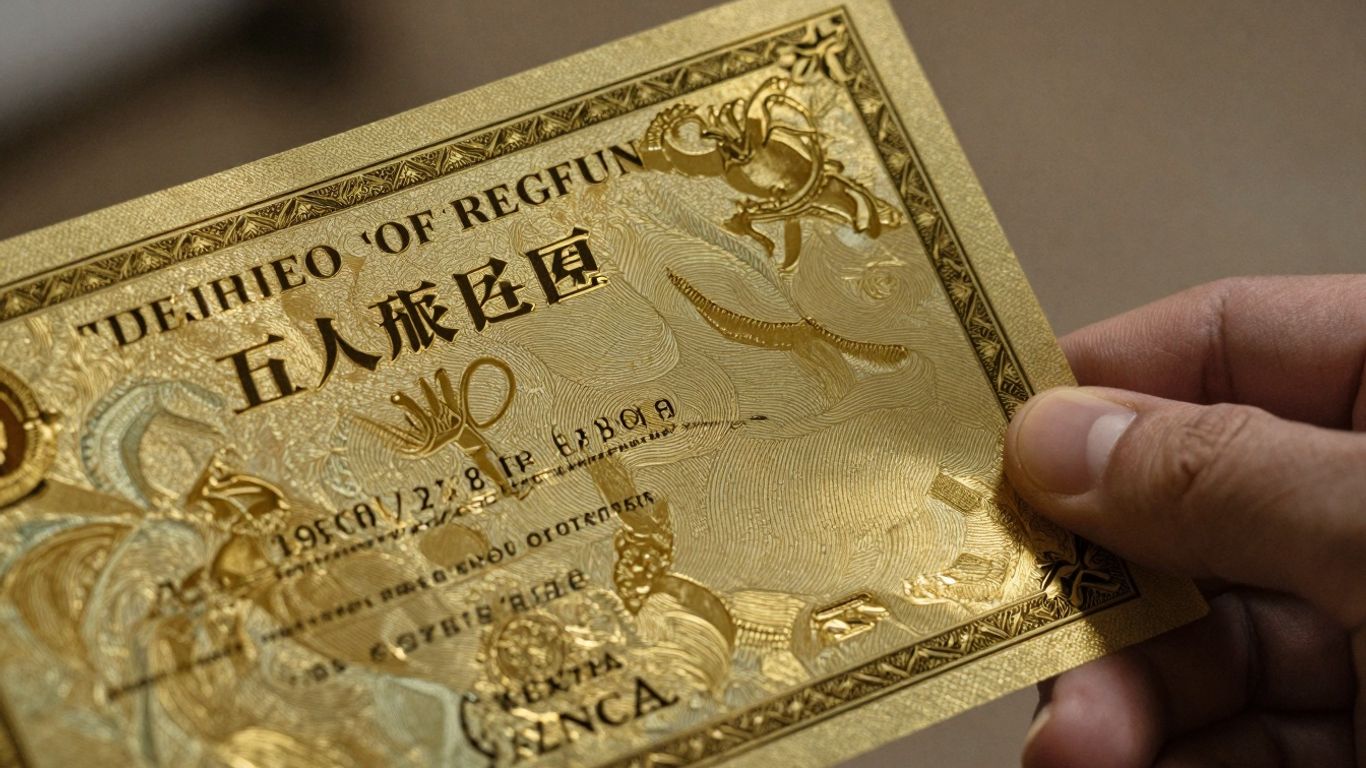
Think of a bond as a loan you make to an organization, like a company or a government. When you buy a bond, you’re essentially lending them money for a specific period. In return for your loan, the issuer promises to pay you back the original amount, called the principal or face value, on a set date in the future. Plus, they’ll pay you regular interest payments along the way. It’s a way for these organizations to raise money for their projects or operations, and for investors, it’s a way to earn a return on their money.
The Fundamental Role Of Bonds In Finance
Bonds play a big part in how money moves around in the economy. Governments use them to fund public services like roads and schools, while companies issue bonds to finance growth, research, or new equipment. For investors, bonds are a key part of a balanced investment portfolio. They’re often seen as a more stable option compared to stocks, providing a predictable stream of income. This makes them attractive for people looking to preserve capital or generate regular cash flow.
Key Characteristics Of Bonds
Bonds have a few main features that define them:
- Face Value (or Par Value): This is the amount the issuer agrees to pay back to the bondholder when the bond reaches its maturity date. It’s often $1,000.
- Coupon Rate: This is the annual interest rate the bond pays on its face value. It’s usually a fixed percentage.
- Coupon Dates: These are the specific dates when the interest payments are made to the bondholder. Most commonly, these payments happen twice a year.
- Maturity Date: This is the date when the bond’s term ends, and the issuer repays the face value to the bondholder.
Bonds are a type of fixed-income security. This means that, for the most part, the amount of interest you’ll receive is set in advance. It’s a contract between you, the lender, and the issuer, the borrower.
How Bonds Function As Investments
Bonds are essentially loans that investors make to entities like governments or corporations. Think of it like this: you’re lending money, and in return, the borrower promises to pay you back with interest over a set period. This makes them a core part of many investment strategies, offering a different kind of return compared to stocks.
The Mechanics Of Lending And Borrowing Through Bonds
When you buy a bond, you’re stepping into the role of a lender. The entity that issues the bond, whether it’s a national government or a large company, is the borrower. They need funds for various reasons – perhaps to build infrastructure, expand operations, or finance research. By issuing bonds, they can raise this capital from a wide pool of investors. In exchange for your money, the issuer agrees to a specific set of terms, which are laid out in the bond’s indenture. This document details the repayment schedule and the interest payments you can expect. It’s a straightforward debt agreement, and understanding this basic lending and borrowing dynamic is key to grasping how bonds work as investments. You can explore various investment platforms to see the range of options available, like those offering access to over 8,000 choices [bdf6].
Interest Payments And Principal Repayment
Most bonds come with a promise of regular interest payments, often referred to as coupon payments. These are typically paid out semi-annually, though some bonds might pay annually or even more frequently. The amount of interest you receive is usually determined by the bond’s coupon rate, which is a fixed percentage of the bond’s face value. For example, a $1,000 bond with a 5% coupon rate would pay $50 in interest per year, often split into two $25 payments. Beyond these regular payments, the core promise of a bond is the repayment of the original amount you lent, known as the principal or face value. This principal is returned to you on a specific date, the maturity date.
The Concept Of Maturity Date
Every bond has a maturity date. This is the final date on which the issuer is obligated to repay the principal amount of the loan to the bondholder. Bonds can have very short terms, sometimes just a few months, or they can extend for decades, like 30-year bonds. The maturity date is important because it signals the end of the loan term and the point at which you expect to get your initial investment back, assuming the issuer doesn’t default. For investors, understanding maturity dates helps in planning their finances and managing their investment timelines. It’s a predictable endpoint that distinguishes bonds from other investments where the exit strategy might be less defined. For those new to financial markets, grasping these basics is a good starting point [2f7f].
Bonds represent a loan from an investor to an issuer. The issuer promises to pay back the loan amount on a specific date and usually makes regular interest payments along the way. This structure provides a predictable income stream for investors and a way for entities to raise capital.
Key Components Of A Bond
When you look at a bond, it’s not just a piece of paper or a digital entry; it’s a financial contract with several specific parts that tell you exactly what you’re getting into. Understanding these pieces is pretty important if you’re thinking about investing in them. Let’s break down what makes up a bond.
Understanding Face Value and Par Value
First off, there’s the face value, often called the par value. This is the amount the bond issuer promises to pay back to the bondholder when the bond reaches its maturity date. Think of it as the original loan amount. Most bonds are issued with a face value of $1,000. This value is also what’s used to calculate the interest payments. So, even if the bond’s price bounces around in the market, the face value stays the same until it’s time for repayment.
The Significance Of The Coupon Rate
Next up is the coupon rate. This is the interest rate that the issuer agrees to pay on the face value of the bond. It’s usually expressed as a percentage. For example, a bond with a $1,000 face value and a 5% coupon rate will pay $50 in interest per year. This payment is typically split into smaller, regular installments. The coupon rate is a key factor in determining how much income you’ll receive from the bond. It’s important to note that this rate is fixed when the bond is issued, meaning your interest payments won’t change even if market interest rates do.
Identifying Coupon Dates and Maturity Dates
Finally, we have the coupon dates and the maturity date. Coupon dates are the specific dates throughout the year when the bond issuer makes the interest payments to the bondholder. These are usually set twice a year, but they can also be paid annually or even monthly depending on the bond. The maturity date, on the other hand, is the final date. It’s when the bond officially expires, and the issuer must repay the bond’s face value to the holder. Bonds can have short maturities, like a few years, or very long ones, sometimes stretching out 30 years or more. Knowing these dates helps you plan your cash flow and understand when you’ll get your principal back. You can often buy and sell bonds before their maturity date on secondary markets, which is a common practice for many investors looking to adjust their portfolios or take advantage of changing market conditions.
Here’s a quick look at the main components:
- Face Value (Par Value): The amount repaid at maturity.
- Coupon Rate: The annual interest rate paid on the face value.
- Coupon Dates: When interest payments are made.
- Maturity Date: The date the principal is repaid.
Understanding these core elements is your first step to grasping how bonds work and how they fit into your investment strategy. They define the income you’ll receive and when you’ll get your original investment back.
Exploring Different Bond Categories
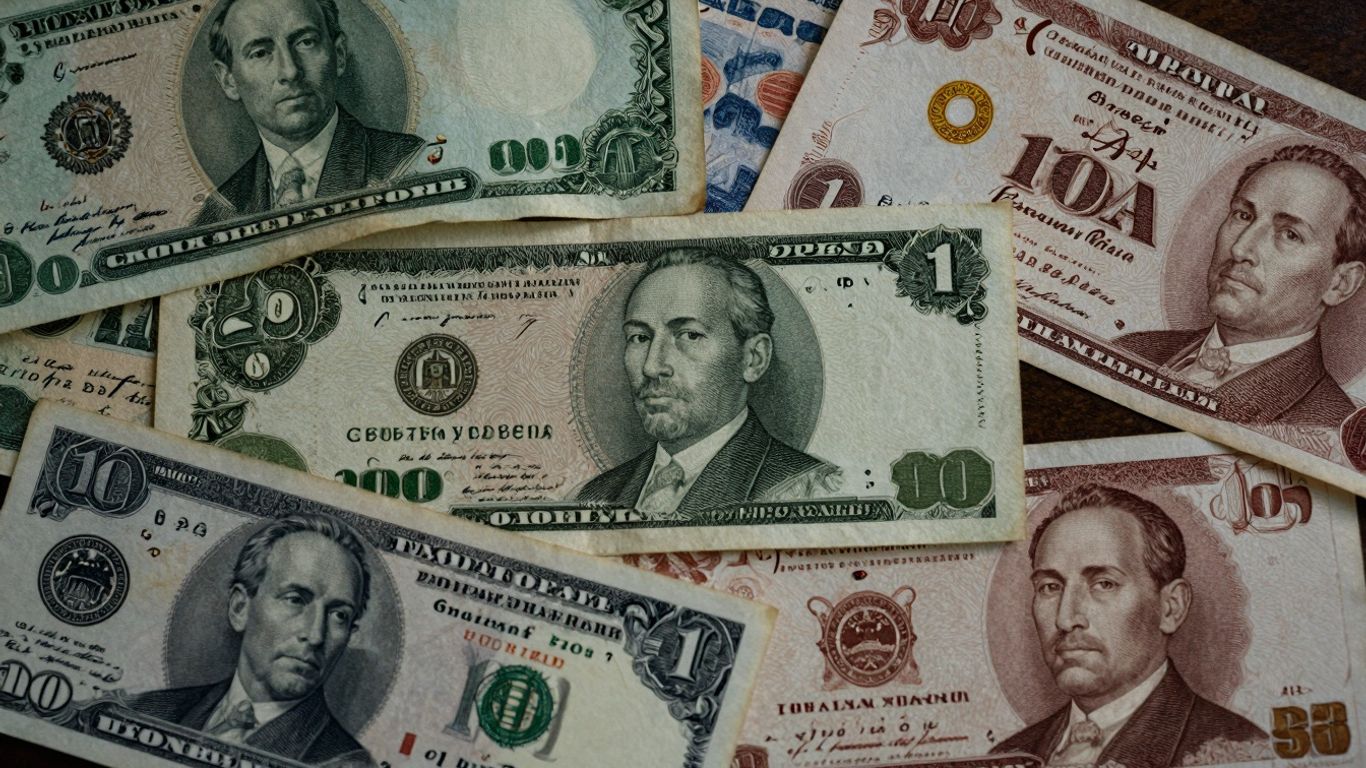
Bonds aren’t all cut from the same cloth. They come in various flavors, each with its own set of characteristics, risks, and potential rewards. Understanding these differences is key to picking the right ones for your investment goals.
Government Bonds Versus Corporate Bonds
When you buy a bond, you’re essentially lending money. The question is, who are you lending to? That’s where the main split between government and corporate bonds comes in.
- Government Bonds: These are issued by national governments, like U.S. Treasury bonds, or by local government entities. They’re often seen as safer because governments, especially in stable economies, are less likely to default on their debt. Think of them as loans to Uncle Sam or your state. They’re typically used to fund public projects, like building roads or schools.
- Corporate Bonds: These are issued by companies looking to raise money for things like expanding operations, research, or acquisitions. Because companies can face financial trouble, corporate bonds generally carry more risk than government bonds. To make up for this extra risk, they usually offer higher interest rates.
The perceived safety of government bonds often means they come with lower interest payments compared to corporate bonds, which need to offer a more attractive yield to entice investors given the increased risk.
Investment-Grade Versus High-Yield Bonds
This distinction really gets into the creditworthiness of the issuer. Credit rating agencies, like Moody’s and Standard & Poor’s, assess how likely an issuer is to repay its debts. They then assign ratings to the bonds.
- Investment-Grade Bonds: These are issued by entities considered financially strong and stable. They have a low risk of default. Think of well-established companies or governments with solid financial track records. The "investment-grade" label means they meet a certain standard of credit quality.
- High-Yield Bonds: Also known as "junk bonds," these are issued by companies or entities that have a higher risk of defaulting. Because the chance of not getting your money back is greater, these bonds typically offer much higher interest rates to compensate investors for taking on that extra risk. They can be appealing for their higher potential returns, but they come with a significant warning label.
Here’s a simplified look at how ratings often break down:
| Rating Agency | Investment Grade | High Yield (Junk) |
|---|---|---|
| S&P | BBB- and above | BB+ and below |
| Moody’s | Baa3 and above | Ba1 and below |
Understanding Complex Bond Structures
Beyond the basic government and corporate types, the bond world gets more intricate. You’ll find bonds designed for specific purposes or with features that alter how they pay interest or how their principal is repaid.
- Zero-Coupon Bonds: These don’t pay regular interest. Instead, they’re sold at a deep discount to their face value, and you receive the full face value when the bond matures. The "interest" is the difference between what you paid and what you get back.
- Callable Bonds: These give the issuer the right to pay back the bond’s principal before the maturity date. This often happens if interest rates fall, allowing the company to refinance its debt at a lower cost. For the investor, this means the bond might be "called away" when you least expect it, especially if rates have dropped.
- Convertible Bonds: These are corporate bonds that can be converted into a predetermined number of the issuing company’s shares. They offer a way to potentially benefit from the company’s stock performance while still having the relative safety of a bond if the stock doesn’t do well.
These different structures mean investors have a lot of options, but they also need to pay close attention to the specific terms and conditions of each bond.
Factors Influencing Bond Value
So, you’ve got a bond, and you’re wondering what makes its price go up or down. It’s not just about the interest rate printed on it, though that’s a big part of it. Think of it like this: the bond market is always shifting, and a few key things really push its value around.
The Impact Of Interest Rate Fluctuations
This is probably the biggest mover. When the general interest rates in the economy change, it directly affects how much existing bonds are worth. If new bonds are coming out with higher interest rates, your older bond with a lower rate suddenly looks less attractive. To sell it, you’d have to lower its price to make it competitive. Conversely, if rates drop, your bond paying a higher rate becomes more desirable, and its price can go up.
- Rising Interest Rates: Generally lead to falling prices for existing bonds.
- Falling Interest Rates: Generally lead to rising prices for existing bonds.
- Yield vs. Price: Bond prices and their yields move in opposite directions. When yields go up, prices go down, and vice versa.
The market price of a bond adjusts so that its yield aligns with current market conditions. If a bond pays a fixed 3% coupon, but new bonds are offering 5%, the older 3% bond will have to sell at a discount to offer a competitive yield to a new buyer.
Assessing Issuer Creditworthiness And Ratings
Who issued the bond matters a lot. If a company or government is in good financial shape, their bonds are seen as safer. This safety means investors are willing to pay more for them. On the other hand, if an issuer’s financial health looks shaky, their bonds become riskier. This increased risk usually means the bond’s price will drop, and if they do issue new bonds, they’ll likely have to offer a higher interest rate to attract buyers.
- High Credit Quality: Issuers with strong financial standing (like governments or stable corporations) typically have bonds that are more valuable.
- Lower Credit Quality: Issuers with weaker financial standing face higher borrowing costs and their bonds are priced lower due to increased default risk.
- Credit Rating Agencies: Organizations like Moody’s, S&P, and Fitch assess the creditworthiness of bond issuers and their bonds, assigning ratings that influence market perception and pricing.
Economic Conditions And Market Sentiment
Sometimes, it’s not just about the issuer or interest rates; it’s about the bigger economic picture. During uncertain economic times, investors often look for safer places to put their money. Bonds, especially government bonds, are often seen as a safe haven. This increased demand can push bond prices up, even if other factors haven’t changed much. Market sentiment – how investors are feeling overall – also plays a role. If people are generally optimistic about the economy, they might move money out of bonds and into riskier assets like stocks, which can put downward pressure on bond prices.
Benefits And Risks Of Bond Investing
Bonds are often seen as a more stable part of an investment portfolio compared to stocks. They can offer a predictable income stream and a way to spread out your investment risk. However, like any investment, they come with their own set of potential downsides.
Achieving Diversification And Predictable Income
One of the main draws of bonds is their ability to diversify your holdings. Because bonds often react differently to economic events than stocks do, they can help smooth out the ups and downs in your overall portfolio. This can lead to a more stable investment experience, especially during turbulent market periods.
Most bonds provide regular interest payments, which can be a reliable source of income. This steady cash flow can be particularly appealing if you’re looking for income to supplement your earnings or to cover living expenses. It’s a way to generate returns even when other parts of your portfolio might be underperforming. For instance, if stock prices are falling, the interest payments from your bonds can continue to arrive.
Understanding Default And Interest Rate Risks
While bonds can offer stability, they aren’t without risk. A primary concern is default risk, which is the chance that the bond issuer won’t be able to make its promised interest payments or repay the principal amount when the bond matures. This risk varies greatly depending on the issuer; government bonds are generally considered safer than corporate bonds, though even governments can face financial difficulties. Assessing the creditworthiness of the issuer is key to understanding this risk.
Another significant risk is interest rate sensitivity. Bond prices have an inverse relationship with interest rates. When interest rates rise, newly issued bonds will offer higher yields, making existing bonds with lower rates less attractive. Consequently, the market price of those older bonds tends to fall. Conversely, when interest rates fall, existing bonds with higher rates become more valuable, and their prices may rise. This fluctuation can impact the value of your investment if you need to sell the bond before its maturity date. Understanding how interest rates move is important for anyone looking at bond investments, including those interested in strategies like those used by hedge funds employing various strategies.
The Role Of Inflation In Bond Returns
Inflation is another factor that can affect the real return on your bond investments. Bonds typically pay a fixed interest rate. If the rate of inflation is higher than the bond’s interest rate, the purchasing power of the money you receive back, both from interest payments and the principal repayment, will be less than when you initially invested. This means that even if you receive your interest and principal on time, inflation can erode the value of your returns. For example, if a bond pays 3% interest annually, but inflation is running at 4%, your investment is effectively losing purchasing power over time. This is known as inflation risk, and it’s a key consideration for long-term bondholders.
Acquiring Bonds
So, you’ve learned about what bonds are and how they work, but how do you actually get your hands on them? It’s not quite as simple as walking into a store and picking one off the shelf, but it’s definitely manageable. There are a couple of main paths you can take: buying individual bonds or investing in bond funds.
Purchasing Individual Bonds
Buying individual bonds means you’re directly lending money to a specific government or company. Think of it like giving a personal loan, but with more formal paperwork. You can sometimes buy these directly from the issuer, especially if it’s a government bond. However, for most corporate bonds, and even some government ones, you’ll likely need to go through a financial institution or a brokerage firm. They act as your go-between, helping you find the bond you want and making the purchase on your behalf. Just be aware that brokers might charge a fee, or commission, for their service, both when you buy and if you decide to sell before the bond matures.
When you buy an individual bond, you’re essentially agreeing to the terms set by the issuer – the interest rate, the maturity date, and the face value. This gives you a lot of control, but it also means you’re taking on the full risk associated with that single issuer. If you’re looking to spread out that risk, you might consider a strategy called "bond laddering." This involves buying several individual bonds that mature at different times. When one matures, you can reinvest the money, potentially at a different interest rate, which helps smooth out the impact of interest rate changes over time.
Investing In Bond Mutual Funds
If the idea of picking and managing individual bonds feels a bit overwhelming, or if you want instant diversification, bond mutual funds are a popular alternative. When you invest in a bond mutual fund, you’re pooling your money with many other investors. This collective pot of money is then used by a professional fund manager to buy a wide variety of bonds. Instead of owning one or two bonds, you own a small piece of hundreds, or even thousands, of different bonds.
This diversification is a big plus, as it spreads out the risk. If one bond in the fund performs poorly, it’s less likely to significantly impact your overall investment. Mutual funds are professionally managed, meaning someone else is doing the research and making the buying and selling decisions. However, this management comes with a cost, usually in the form of an annual "expense ratio" – a small percentage of your investment that goes towards the fund’s operating costs. Unlike individual bonds, mutual funds don’t typically have a fixed maturity date. The fund itself continues to exist, buying new bonds as old ones mature, and its value can change daily based on market conditions.
Another similar option is a Bond Exchange-Traded Fund (ETF). Like mutual funds, ETFs hold a basket of bonds and offer diversification. They trade on stock exchanges throughout the day, much like individual stocks, which can offer more flexibility in buying and selling compared to mutual funds, whose trades are typically processed only once a day after the market closes. ETFs often have lower fees than mutual funds, making them a cost-effective choice for many investors.
Wrapping Up Your Bond Basics
So, we’ve covered what bonds are – basically, loans you give to governments or companies for a set time, and they pay you back with interest. We saw how they work, kind of like an IOU with a due date and regular payments. Remember, bond prices can move around, especially when interest rates change, and there are different kinds, like government or corporate bonds, each with its own level of risk and reward. Whether you’re looking at individual bonds or bond funds, understanding these basics helps you see how they fit into a bigger investment picture. It’s all about making informed choices for your financial journey.
Frequently Asked Questions
What exactly is a bond?
Think of a bond as an IOU. When you buy a bond, you’re basically lending money to a company or a government. They promise to pay you back the original amount you lent them on a specific future date, and in the meantime, they usually pay you regular small amounts of money called interest. It’s a way for these organizations to borrow money for big projects or to run their operations.
How do bonds make money for investors?
There are two main ways you can earn money with bonds. First, you get regular interest payments from the company or government that issued the bond. These payments are usually fixed. Second, if you sell the bond to someone else before its due date, and its price has gone up since you bought it, you can make a profit on the sale. It’s like buying something and selling it later for more than you paid.
What is a maturity date and why is it important?
The maturity date is the day the bond officially ends. On this date, the issuer is supposed to pay you back the full amount of money you originally lent them (this is called the face value or principal). It’s important because it tells you when you’ll get your initial investment back, assuming the issuer doesn’t run into financial trouble.
Are all bonds the same? What are the different types?
Not all bonds are the same! They can be issued by governments (like national or local governments) or by companies (called corporate bonds). Government bonds are often seen as safer, while corporate bonds can offer higher interest but might carry more risk. Some bonds are considered ‘investment grade,’ meaning they’re from very stable companies, while others are ‘high-yield’ or ‘junk’ bonds, which are riskier but pay more interest.
What makes a bond’s price go up or down?
A few things can change a bond’s price. A big one is interest rates. If the general interest rates in the economy go up, newly issued bonds will pay more interest, making older bonds that pay less less attractive, so their price tends to fall. Also, if the company or government that issued the bond seems to be doing well financially (good credit rating), its bond price might go up. Economic news also plays a role.
Can I lose money investing in bonds?
Yes, you can lose money. If the company or government that issued the bond can’t pay you back, that’s called a default, and you might lose your principal. Also, as mentioned, if interest rates rise after you buy a bond, the market price of your bond could fall, so if you sell it before maturity, you might get less than you paid. High inflation can also make the interest payments you receive worth less over time.

Peyman Khosravani is a global blockchain and digital transformation expert with a passion for marketing, futuristic ideas, analytics insights, startup businesses, and effective communications. He has extensive experience in blockchain and DeFi projects and is committed to using technology to bring justice and fairness to society and promote freedom. Peyman has worked with international organizations to improve digital transformation strategies and data-gathering strategies that help identify customer touchpoints and sources of data that tell the story of what is happening. With his expertise in blockchain, digital transformation, marketing, analytics insights, startup businesses, and effective communications, Peyman is dedicated to helping businesses succeed in the digital age. He believes that technology can be used as a tool for positive change in the world.