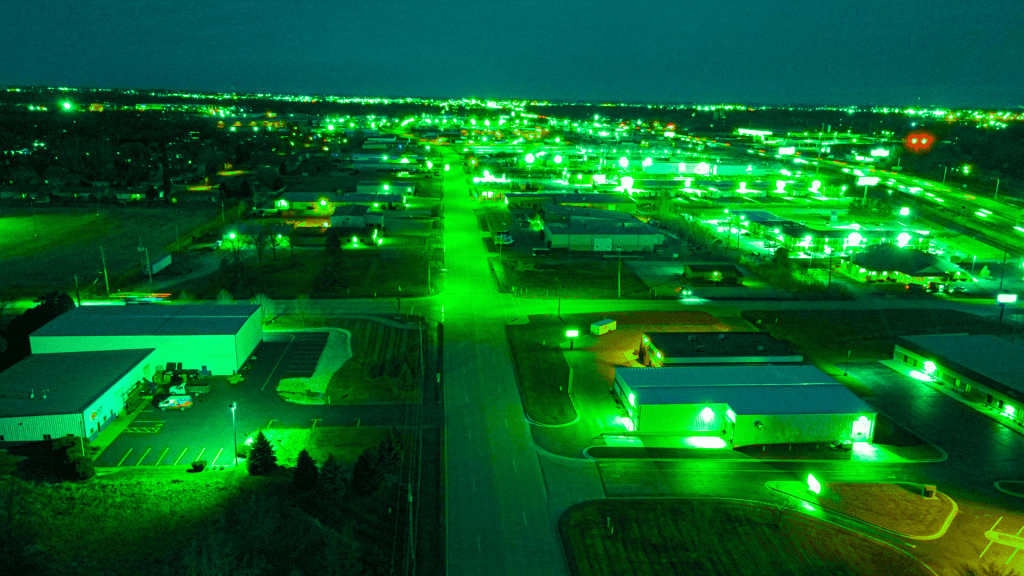
You fly or operate at night and you need gear you can trust.
Night vision goggles are not optional equipment. They are life-saving tools that let you see what others cannot. When darkness falls, your work continues. The right goggles make that possible.
This guide explains what matters when you shop for night vision systems. We will cover certifications, performance specs, mounting options, and warranty protection. By the end, you will know how to choose goggles that match your mission.
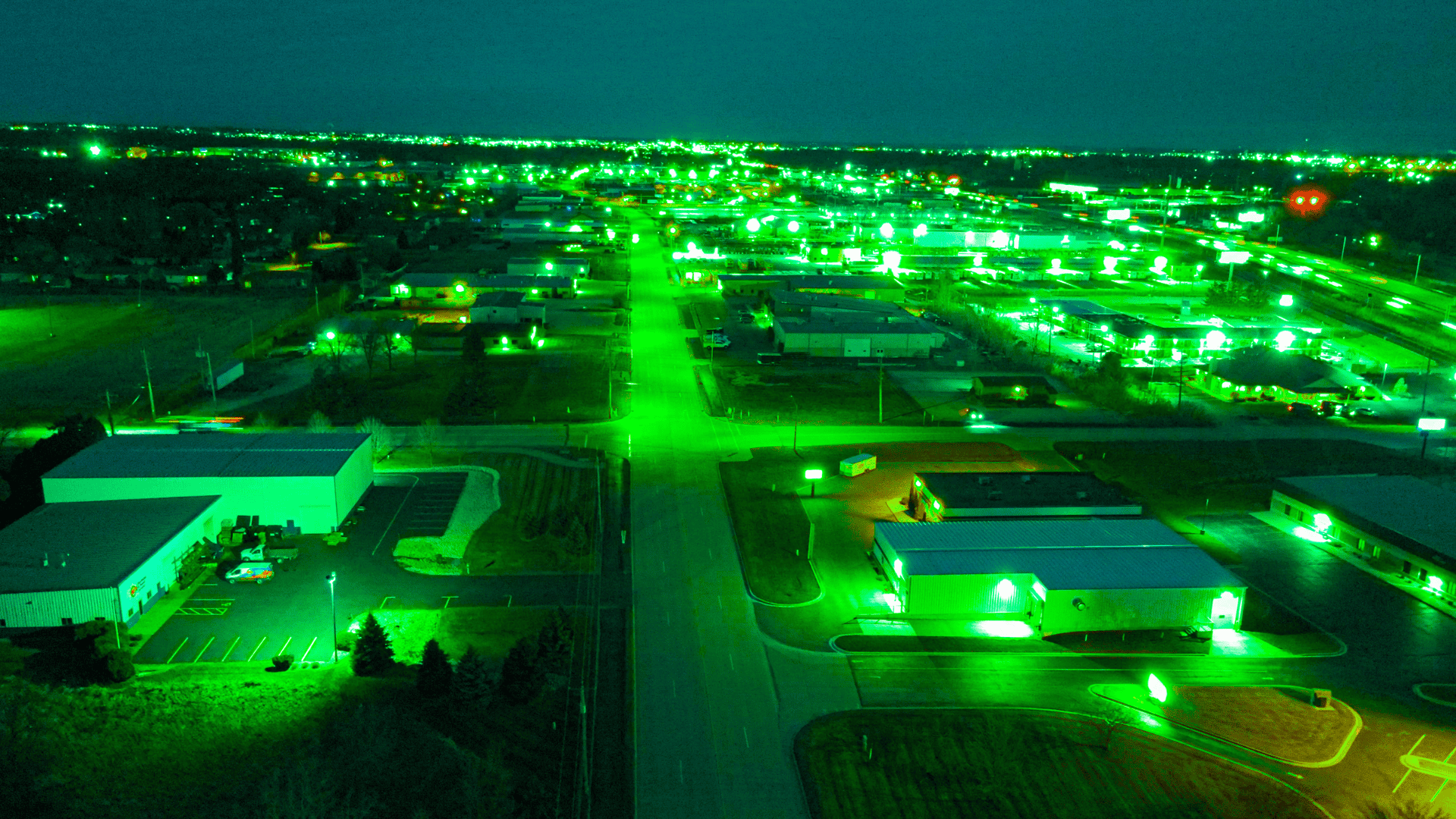
Why Certification Matters
Professional aviation demands certified equipment. The FAA requires specific standards for night vision devices used in aircraft. The most important certification is TSO-C164a. This Technical Standard Order sets requirements for safety and performance.
TSO-C164a covers design, testing, and manufacturing standards. It ensures goggles can handle the stress of flight operations. Temperature changes, vibration, and altitude shifts are all part of the testing process.
European operators need EASA approval as well. This certification works alongside FAA standards. Having both certifications means the goggles meet international requirements.
Certified goggles cost more than non-certified units. The price difference exists for good reason. Certified systems undergo rigorous testing and quality control. They include documentation that proves compliance with aviation regulations.
Using non-certified goggles in professional operations creates legal and safety problems. Your insurance may not cover incidents involving unapproved equipment. More importantly, non-certified gear may fail when you need it most.
Performance Specifications That Count
Resolution determines how much detail you can see. Better resolution means you can identify objects at greater distances. Look for systems with high line pair resolution numbers.
Signal-to-noise ratio affects image clarity. A higher ratio produces cleaner images with less visual static. This becomes critical during low-light conditions when you need every advantage.
Field of view determines how much you can see at once. Standard aviation goggles offer about 40 degrees. Wider fields help with situational awareness but may reduce image quality at the edges.
Gain control lets you adjust brightness based on conditions. Auto-gain systems handle this automatically. Manual control gives you more precise adjustment when needed.
Light amplification power determines how well goggles work in darkness. Modern systems can amplify ambient light by 50,000 times or more. This turns moonlight into usable illumination.
Battery life matters during extended operations. Professional systems should run for at least 20 hours on standard batteries. Some units accept multiple battery types for flexibility.
Understanding Image Intensifier Tubes
The image intensifier tube is the heart of any night vision system. These tubes come in different generations and grades.
Generation 3 tubes remain the standard for professional use. They offer excellent performance across various light conditions. Generation 4 is a marketing term rather than an official designation.
Within Generation 3, tubes have different specifications. Higher-spec tubes cost more but deliver better performance. Common measurements include resolution, signal-to-noise ratio, and photocathode sensitivity.
Tube specifications affect what you pay. Top-tier tubes can double or triple the system cost. For professional operations, the investment usually pays off through better performance and reliability.
Green phosphor remains most common. White phosphor has gained popularity in recent years. Each has advantages depending on your specific use case.
Mount Compatibility and Helmet Integration
Your goggles must work with your helmet system. Different mounts serve different purposes. The most common standard is the three-hole NVG mount pattern.
Single-mount systems attach at one point on the helmet. They work well for fixed-wing operations where head movement is limited. The goggles flip up when not needed.
Dual-mount systems provide more stability. They attach at two points and reduce bouncing during movement. Rotary-wing pilots often prefer this design.
Some systems use proprietary mounting. This can limit your options for helmets and accessories. Standard mounting patterns offer more flexibility and replacement options.
Weight distribution affects comfort during long missions. Counterweights help balance the system. Proper adjustment prevents neck strain and headaches.
Consider whether you need the flip-up capability. Some mounts lock in the down position for better stability. Others allow quick repositioning without removing the goggles.
Warranty and Support Considerations
Professional equipment needs professional support. Check what the warranty covers and for how long. Standard warranties run from one to three years.
Tube warranties differ from system warranties. The image intensifier tube is the most expensive component. A separate tube warranty provides important protection.
Repair turnaround time matters when you depend on the equipment. Some manufacturers offer loaner programs during repairs. Others provide expedited service for professional users.
Parts availability affects long-term ownership. Popular systems have better parts support. This matters when you need repairs five or ten years down the road.
Technical support quality varies between manufacturers. Professional users need access to knowledgeable staff who understand aviation requirements. Look for companies with dedicated support teams.
The ANVIS Standard
The anvis 9 night vision goggles represent proven design in aviation night vision. This system established standards that later goggles follow. Many professional operators choose these goggles because of their track record.
Making Your Choice
Start by defining your mission requirements. Different operations need different capabilities. Consider the environments where you will use the goggles.
Budget matters, but quality matters more. Cheap night vision gear creates dangerous situations. Plan to invest in equipment that meets professional standards.
Try before you buy when possible. Fit and comfort vary between systems. What works for others may not work for you.
Talk to other professionals in your field. Their experience helps you avoid common mistakes. They can share insights about real-world performance.
Remember that night vision goggles are tools, not toys. Choose based on capability and reliability. Your safety and mission success depend on making the right choice.

Peyman Khosravani is a global blockchain and digital transformation expert with a passion for marketing, futuristic ideas, analytics insights, startup businesses, and effective communications. He has extensive experience in blockchain and DeFi projects and is committed to using technology to bring justice and fairness to society and promote freedom. Peyman has worked with international organizations to improve digital transformation strategies and data-gathering strategies that help identify customer touchpoints and sources of data that tell the story of what is happening. With his expertise in blockchain, digital transformation, marketing, analytics insights, startup businesses, and effective communications, Peyman is dedicated to helping businesses succeed in the digital age. He believes that technology can be used as a tool for positive change in the world.