As investing becomes increasingly digital, global, and remote, one of the most overlooked risks in modern finance is the vulnerability of online activity. Whether you’re logging into a brokerage account while traveling, researching emerging markets from a co-working space, or managing alternative assets across borders, your connection may be exposed in ways that compromise privacy, confidentiality, and data safety.
In today’s environment, safeguarding your digital footprint is essential. This article explains why privacy matters for modern investors, how VPNs help protect sensitive financial activity, and what professionals should understand about emerging technologies such as P2P VPNs.
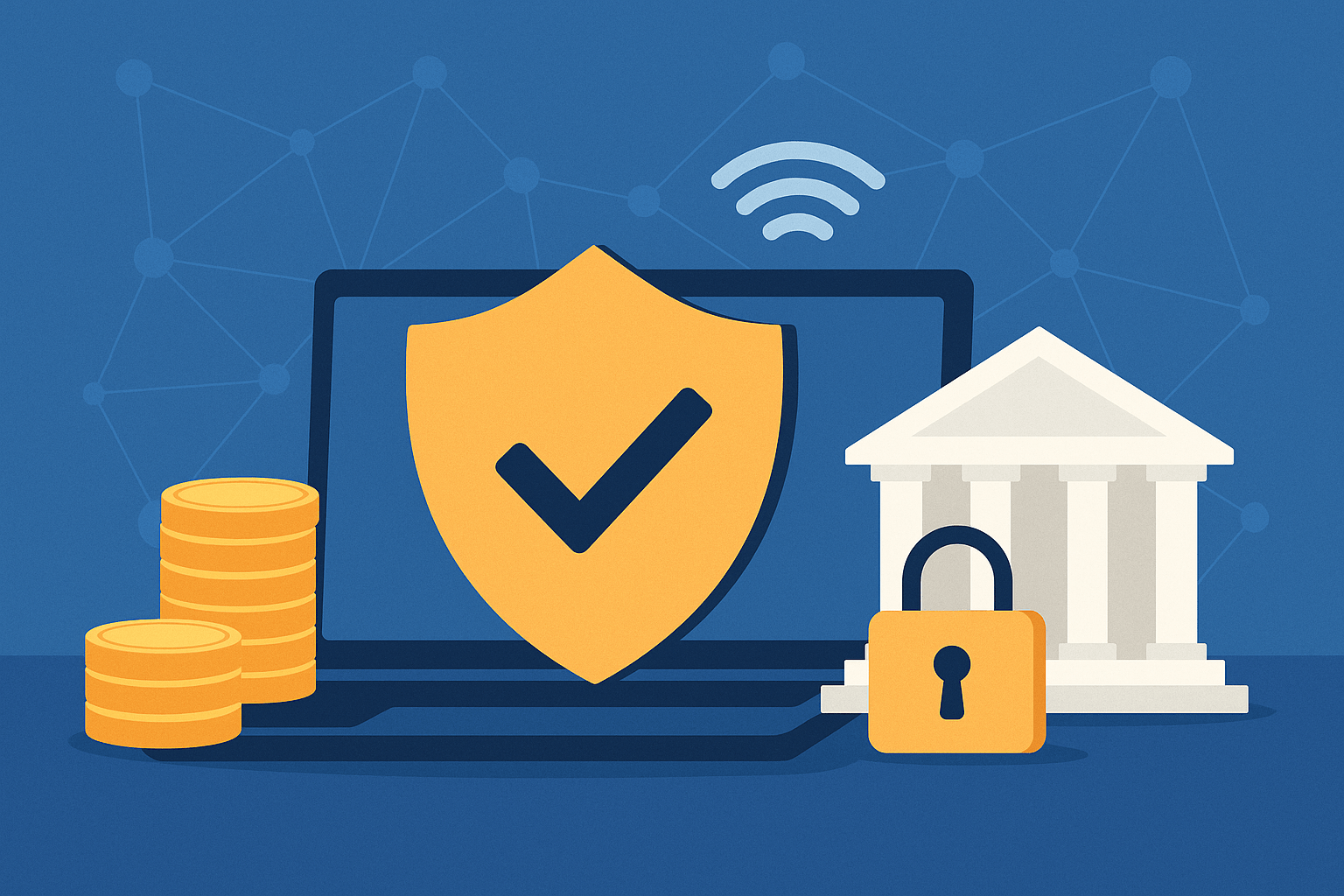
The Rising Importance of Privacy for Investors
The shift toward remote work and digital-first financial platforms has fundamentally changed how investors access markets. This shift delivers convenience, but it also opens new vulnerabilities.
Global Access Comes With Global Exposure
Many investors now manage portfolios or analyze opportunities while traveling or working from public spaces. These environments—airports, cafés, hotels, coworking hubs—often rely on unsecured or semi-secured networks. On such networks, data packets can be intercepted or observed by third parties, creating risks that traditional office setups did not face.
Financial Data Requires Strict Protection
Account credentials, identity documents, trading activity, statements, and research histories all contain highly sensitive information. If leaked, this information could be used for unauthorized account access, targeted phishing, or profiling of investment strategies.
Privacy Supports Compliance and Professional Integrity
Funds operating under regulatory frameworks must protect customer data and internal documents. A secure, encrypted connection helps maintain confidentiality and supports compliance with various privacy standards.
How a VPN Strengthens Digital Security for Investors
A Virtual Private Network, or VPN, encrypts your traffic and routes it through a secure connection, masking your IP address and preventing outsiders from viewing your online activity. For investors managing confidential information, this creates a safer browsing environment.
Here’s how a VPN helps:
- Encryption protects data during transmission. Even if someone intercepts your traffic, strong encryption prevents them from reading it.
- Your IP address stays private. This reduces tracking, profiling, and location-based surveillance.
- Safer use of public Wi-Fi. Investors who travel or work remotely can access sensitive accounts without risking exposure.
- Reduced data collection by third parties. ISPs, ad networks, and other observers cannot easily monitor what sites you visit or what services you use.
If you want to explore reputable options, you can find secure choices through a trusted VPN Download page. Solutions like X-VPN are known for strong encryption, wide global server coverage, and support for multiple devices—factors that matter for investors who frequently operate in different regions.
What Is P2P VPN and Why Investors Should Understand It
VPN technology is evolving. One term that appears more frequently today is P2P VPN, short for peer-to-peer virtual private network. Understanding this model helps investors evaluate whether it suits their needs.
A P2P VPN uses a decentralized network structure in which participating devices (or nodes) may relay encrypted data for one another. This differs from traditional VPNs that rely on centrally controlled servers.
How a P2P VPN Works
In a P2P architecture, the encrypted traffic may pass through multiple peer nodes. Each peer acts as both client and server, creating a mesh-like system. This can increase redundancy and decentralization.
Where P2P VPNs Are Used
P2P VPNs are often associated with:
- Decentralized communication platforms
- Direct peer-to-peer file sharing
- Emerging blockchain or Web3 ecosystems
- Distributed applications where traditional server-based routing is less suitable
For investors who operate in digital asset markets or decentralized finance spaces, understanding What is P2P VPN helps clarify whether this type of network aligns with their workflows.
Benefits and Trade-offs
P2P VPNs have advantages, such as decentralization and resilience. However, they may come with trade-offs:
- Performance may vary. Speed and stability depend on peer node quality.
- Trust considerations arise. Because data passes through unknown peers, the security model differs from professionally managed VPN servers.
- Not ideal for finance workflows. Investors dealing with sensitive, regulated, or high-value data may prefer traditional VPN models for consistency and predictable infrastructure.
For most investing-related activities—portfolio management, research, communication with advisors, accessing financial portals—a traditional VPN remains more suitable due to its controlled environment, reliability, and enterprise-grade security design.
Best Practices for Using VPNs in Investment Workflows
Adding a VPN to your security toolkit is a smart step, but it works best when combined with broader digital hygiene. Investors and fund managers should keep in mind:
1. Use a reputable VPN with proven encryption
Look for providers that offer strong protocols, independently verified no-log policies, and global server availability. X-VPN, for example, is recognized for its wide server network and robust encryption options—useful when connecting from various financial hubs worldwide.
2. Avoid accessing financial accounts on unsecured networks
Even with a VPN, it’s wise to avoid unnecessary exposure. When possible, use private networks or mobile hotspots for the most sensitive transactions.
3. Enable multi-factor authentication (MFA)
A VPN protects your connection, while MFA protects your accounts. This combination significantly reduces unauthorized access risk.
4. Keep your devices and software updated
Operating systems, browsers, and trading apps should always be up to date to minimize vulnerabilities.
5. Understand when a P2P VPN is appropriate
For decentralized applications, a P2P VPN may be useful. For mainstream investing, transparency and reliability of traditional VPN infrastructure are generally preferable.
Why VPNs Are Becoming Standard for Modern Investors
Remote investing is now the norm. Trading platforms, analytics tools, wealth dashboards, and portfolio management systems are accessible from anywhere. As investors diversify geographically and technologically, privacy risks naturally increase.
A reliable VPN helps mitigate these risks by:
- Protecting sensitive activities
- Reducing exposure to cyber threats
- Ensuring more private and secure access to financial tools
- Supporting compliance with privacy obligations
As digital finance evolves, the adoption of privacy-forward tools like VPNs has become part of standard security practice for professionals who value confidentiality and integrity.
Conclusion
In a financial world defined by mobility, technology, and global reach, protecting your online privacy is essential. Whether you are conducting research, reviewing portfolio risks, or managing client assets, establishing a secure connection helps safeguard both data and decision-making. By understanding the role of VPNs and how they fit into modern investment workflows, investors can operate with confidence, clarity, and greater peace of mind.

Shikha Negi is a Content Writer at ztudium with expertise in writing and proofreading content. Having created more than 500 articles encompassing a diverse range of educational topics, from breaking news to in-depth analysis and long-form content, Shikha has a deep understanding of emerging trends in business, technology (including AI, blockchain, and the metaverse), and societal shifts, As the author at Sarvgyan News, Shikha has demonstrated expertise in crafting engaging and informative content tailored for various audiences, including students, educators, and professionals.