
Ever heard of financial terms like futures, options, or swaps and wondered what on earth they mean? You’re not alone. These are all types of derivatives, and understanding what is derivative finance is key to grasping how modern markets work. Think of them as financial contracts whose value is tied to something else, like a stock or a commodity. This guide breaks down the basics, so you can get a clearer picture without all the confusing jargon.
Key Takeaways
- Derivatives are financial agreements with values linked to an underlying asset, like stocks or commodities.
- Contracts like futures, forwards, options, and swaps are common types of derivatives.
- These instruments help manage financial risks, allow for speculation on price changes, and can offer access to different markets.
- The value of a derivative depends on factors such as the underlying asset’s price, time to expiration, and market volatility.
- Financial authorities oversee derivative markets to promote fairness and protect investors, but trading them still involves risks.
Understanding What Is Derivative Finance
Defining Derivative Instruments
At its core, a derivative is a financial contract. Its value isn’t independent; instead, it’s tied to, or derived from, an underlying asset. Think of it like a bet on the future price of something else. This ‘something else’ can be a wide range of things: stocks, bonds, commodities like oil or gold, currencies, or even interest rates. The key idea is that the derivative itself doesn’t have intrinsic value; its worth comes from what it’s linked to.
These contracts are agreements between two or more parties. They specify terms for future transactions or payments based on the price movements of the underlying asset. For instance, a contract might give someone the right to buy a certain stock at a set price on a future date. If the stock price goes up, that right becomes more valuable. If it goes down, the right might become worthless.
Historical Context of Derivatives
The concept of using contracts to manage future prices isn’t new at all. People have been doing this for centuries. Back in ancient times, farmers and merchants would make agreements for future sales of crops or livestock. This helped them lock in prices and protect themselves from unpredictable weather or market gluts. It was a way to bring some certainty to uncertain times.
Fast forward to the Middle Ages and beyond, and these kinds of agreements became more formalized. Think of early forms of futures contracts used in places like Japan for rice trading or in Europe for agricultural goods. These allowed people to plan better and reduce the risk of sudden price swings. It was all about managing the ups and downs of the market.
The Fundamental Role in Modern Finance
Today, derivatives are a massive part of the financial world. They aren’t just for speculation; they play a really important role in how businesses and investors manage risk. Companies use them to protect themselves from things like unexpected changes in currency exchange rates when they do business internationally, or from fluctuating interest rates on their loans.
Here’s a quick look at some common uses:
- Hedging: This is about reducing risk. A farmer might sell futures contracts for their crops to guarantee a certain price, even if market prices drop later.
- Speculation: Some traders use derivatives to bet on the direction of an asset’s price. They might buy a contract if they think the price will go up, or sell one if they think it will go down.
- Arbitrage: This involves taking advantage of tiny price differences for the same asset in different markets, often using derivatives to make a profit with very little risk.
Derivatives allow market participants to transfer risk from those who want to avoid it to those who are willing to take it on, often in exchange for a potential profit. This risk transfer mechanism is a key reason for their widespread use in modern financial systems.
Exploring The Diverse Landscape Of Derivatives

Derivatives are incredibly varied, and understanding the main types is key to grasping how they function in the financial world. Think of them as different tools in a toolbox, each designed for a specific job. They all share the characteristic of deriving their value from something else, but their structures and uses can be quite distinct.
Futures and Forwards Contracts
These are perhaps the most straightforward types of derivatives. Both futures and forwards are agreements between two parties to buy or sell an asset at a set price on a future date. The main difference lies in their standardization and where they trade. Futures contracts are standardized and traded on organized exchanges, making them highly liquid and transparent. Forwards, on the other hand, are private agreements negotiated directly between parties, meaning they are more customizable but also carry more counterparty risk. They are often used by businesses to lock in prices for commodities they’ll need in the future, like farmers selling their crops or airlines buying jet fuel. This helps manage price uncertainty. For example, a bakery might use a forward contract to buy flour at a fixed price six months from now, protecting itself if flour prices spike.
The Versatility of Options
Options contracts offer a different kind of flexibility. Unlike futures or forwards, an option gives the buyer the right, but not the obligation, to buy or sell an underlying asset at a specific price (the strike price) before a certain expiration date. There are two main types: call options and put options. A call option gives the holder the right to buy, while a put option gives the holder the right to sell. This ‘optionality’ makes them very versatile. Investors can use them to speculate on price movements, hedge existing positions, or generate income. For instance, if you own shares of a company and are worried about a short-term price drop, you could buy put options to protect against that potential loss. The cost of this right is the option premium, which is paid by the buyer to the seller.
Understanding Swap Agreements
Swaps are a bit more complex and involve exchanging cash flows between two parties over a period. The most common type is an interest rate swap, where one party agrees to pay a fixed interest rate in exchange for receiving a variable interest rate from the other party, or vice versa. This is often used by companies to manage their exposure to fluctuating interest rates. Imagine a company with a loan that has a variable interest rate; they might enter into a swap to pay a fixed rate instead, making their future interest payments predictable. Another common type is a currency swap, used by multinational corporations to manage foreign exchange risk. These agreements can be highly customized to meet specific financial needs, making them powerful tools for risk management and financial engineering. For example, a company might use a currency swap to convert interest payments on debt denominated in one currency into payments in another currency, aligning with their revenue streams. This allows businesses to manage their crypto trading exposure more effectively.
Derivatives are not just for big financial institutions; they are woven into the fabric of how businesses manage risk and how investors approach markets. Understanding these different types is the first step to appreciating their role.
How Derivative Contracts Function
At their core, derivative contracts are agreements whose value is tied to an underlying asset. Think of it like a bet on the future price of something else. This ‘something else’ can be a stock, a bond, a commodity like oil or wheat, or even a currency. The derivative itself isn’t the asset; it’s a contract about the asset.
The Crucial Role of Underlying Assets
The entire mechanism of a derivative hinges on its connection to an underlying asset. Without it, the derivative has no value. For instance, a futures contract for corn is only valuable because corn exists and its price fluctuates. When you enter into a derivative contract, you’re essentially agreeing to terms based on the future price or performance of that specific asset. This relationship is what gives derivatives their power and purpose.
The Mechanics of Trading and Investment
Trading derivatives involves parties agreeing to specific terms for a future transaction or exchange. Let’s break down how this typically plays out:
- Agreement on Terms: Two parties agree on the underlying asset, the price (often called the strike price for options), the quantity, and a future date for settlement or expiration.
- Market Analysis: Traders and investors constantly watch market trends, economic news, and other factors that might influence the price of the underlying asset. This analysis helps them decide whether to buy, sell, or hold a derivative.
- Speculation and Hedging: People use derivatives for two main reasons: to speculate on price movements (hoping to profit from an increase or decrease) or to hedge against potential losses. For example, a farmer might use a futures contract to lock in a selling price for their crops, protecting them from a price drop. Conversely, a speculator might buy a call option if they believe a stock’s price will rise.
- Settlement: At the contract’s expiration or settlement date, the terms of the agreement are fulfilled. This might involve the physical delivery of the asset (less common for many financial derivatives) or, more often, a cash payment based on the difference between the contract price and the market price of the underlying asset.
Key Pricing and Valuation Factors
Figuring out what a derivative is worth isn’t always straightforward. Several elements come into play:
- Underlying Asset Price: This is the most direct influence. If the price of the asset goes up, the value of some derivatives will increase, while others might decrease.
- Time to Expiration: Derivatives have an expiration date. The closer it gets, the less time there is for the underlying asset’s price to move favorably, which can affect the derivative’s value.
- Volatility: How much the price of the underlying asset is expected to swing up and down plays a big role. Higher volatility generally means a higher potential for profit (or loss), which can increase the derivative’s price.
- Interest Rates: For longer-term contracts, prevailing interest rates can influence the cost of holding the underlying asset or the present value of future cash flows.
The value of a derivative is not static; it’s a dynamic figure that shifts with market conditions and the passage of time. Understanding these moving parts is key to grasping how these instruments operate in the financial world.
These factors are often plugged into complex mathematical models to arrive at a fair price. It’s a bit like trying to predict the weather – you use a lot of data and sophisticated tools, but there’s always an element of uncertainty.
Navigating The Risks And Rewards Of Derivatives
Potential Pitfalls in Derivative Trading
While derivatives can be powerful tools, they also come with significant risks that anyone considering them needs to understand. One major concern is market risk, which is the chance that the price of the underlying asset will move in an unfavorable direction, causing the derivative’s value to drop. Think of it like betting on a horse race – if your horse doesn’t perform as expected, you lose your stake. Another significant risk is counterparty risk. This happens when the other party in the contract fails to fulfill their obligations. For example, if you have a futures contract to sell something at a certain price, and the buyer suddenly can’t pay, you’re left holding the bag. Then there’s liquidity risk, which is the difficulty in selling a derivative quickly without significantly impacting its price. If you need to exit a position fast but can’t find a buyer at a reasonable price, you could face substantial losses.
Derivatives often involve borrowed money or leverage, which can magnify both gains and losses. This means a small price movement in the underlying asset can lead to a much larger percentage change in the value of the derivative, making them inherently more volatile than direct investments.
Here are some common pitfalls to watch out for:
- Over-leveraging: Using too much borrowed money can quickly wipe out your investment if the market moves against you.
- Lack of understanding: Trading complex derivatives without fully grasping how they work and the specific risks involved is a recipe for disaster.
- Ignoring transaction costs: Fees, commissions, and bid-ask spreads can add up, especially with frequent trading, eating into potential profits.
- Emotional trading: Letting fear or greed dictate decisions, rather than a well-thought-out strategy, often leads to poor outcomes.
The Strategic Advantages of Derivative Use
Despite the risks, derivatives offer compelling advantages when used correctly. A primary benefit is hedging. Companies can use derivatives to protect themselves against unpredictable price changes. For instance, an airline might use futures contracts to lock in a price for jet fuel, shielding them from sudden price spikes. This predictability helps with financial planning.
Derivatives also provide opportunities for speculation. Traders can bet on the future direction of an asset’s price without actually owning the asset itself. This can be done whether they expect the price to go up or down, offering flexibility. Furthermore, derivatives can be used to gain exposure to different markets or asset classes that might otherwise be difficult or expensive to access. For example, an investor might use a commodity derivative to get exposure to oil prices without having to store or transport physical oil.
Here are some key strategic benefits:
- Risk Management: Effectively hedging against price volatility in underlying assets.
- Portfolio Diversification: Adding different types of assets or market exposures to a portfolio.
- Cost Efficiency: Often cheaper to gain exposure to an asset or market compared to buying it directly.
- Price Discovery: The trading of derivatives can contribute to the formation of prices for the underlying assets.
The Regulatory Environment For Derivatives
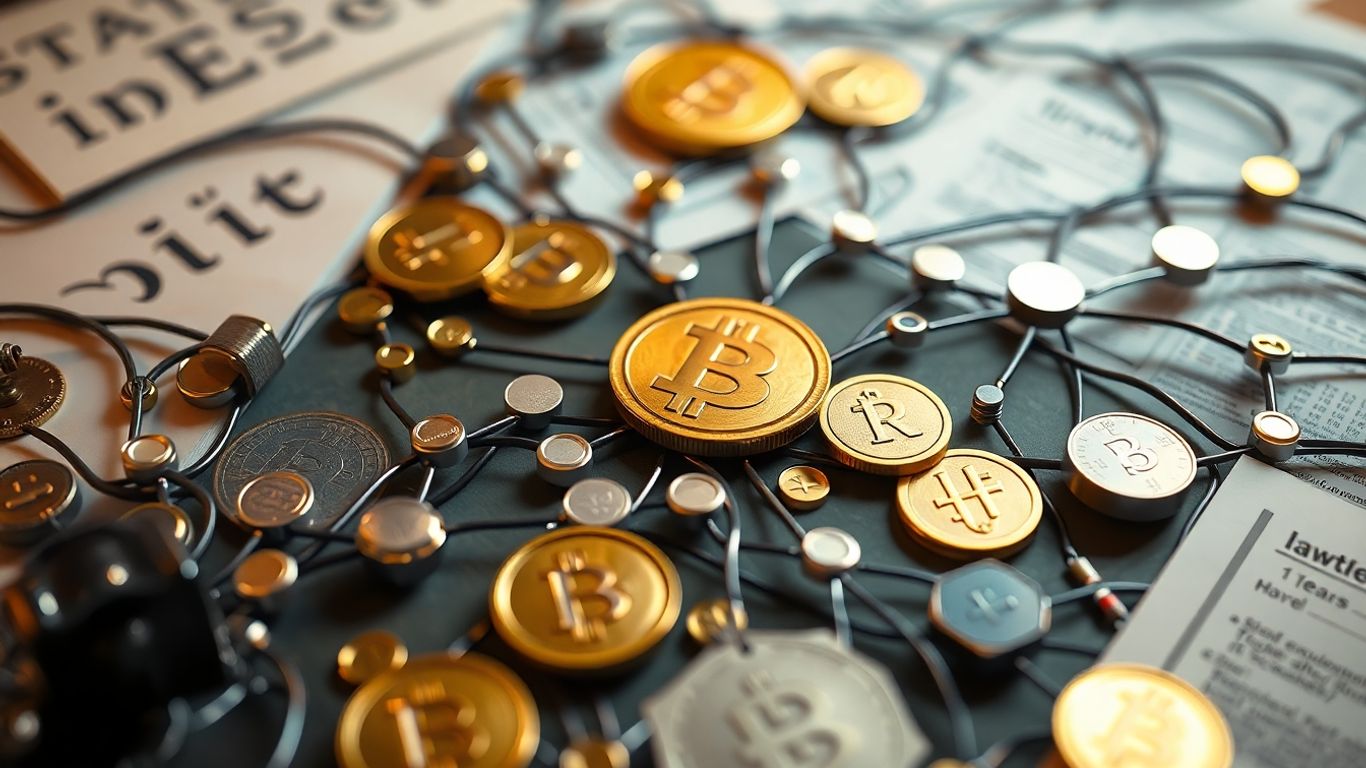
When you get into derivatives, it’s not just a free-for-all. There are rules and people watching to make sure things stay fair and markets don’t get too wild. Think of it like traffic laws for financial instruments. These regulations are there to protect everyone involved, from big banks to individual investors, and to keep the whole system stable.
Oversight By Key Financial Authorities
Several important groups keep an eye on the derivatives market. In the United States, the Securities and Exchange Commission (SEC) and the Commodity Futures Trading Commission (CFTC) are the main players. The SEC focuses more on security-based swaps, while the CFTC oversees commodity futures and options, as well as most swaps. Internationally, organizations like the International Swaps and Derivatives Association (ISDA) also play a role by setting standards and best practices that many market participants follow.
These authorities do a few key things:
- Set the Rules: They create regulations about how derivatives can be traded, what information needs to be shared, and how risks should be managed.
- Watch the Market: They monitor trading activity to spot any unusual behavior or potential problems.
- Protect Investors: They work to prevent fraud and manipulation, aiming to give investors confidence.
- Promote Stability: By overseeing these complex instruments, they help prevent a small issue from causing a big problem across the entire financial system.
Ensuring Compliance in Derivative Transactions
Being compliant means following all the rules set by these authorities. For anyone trading derivatives, this is a big deal. It’s not just about knowing the rules; it’s about actively putting them into practice. This usually involves:
- Reporting: Regularly telling regulators about the trades you’ve made and your positions.
- Risk Management: Having solid plans in place to handle potential losses and unexpected market moves.
- Capital Requirements: Keeping enough money set aside to cover potential obligations.
- Record Keeping: Maintaining accurate records of all transactions.
Failing to comply can lead to hefty fines, restrictions on trading, and damage to a firm’s reputation. It’s a serious business that requires careful attention to detail and a commitment to operating within the established legal framework. The goal is to build trust and ensure that the derivatives market functions as a reliable tool for risk management and investment, rather than a source of systemic instability.
Essentially, the regulatory environment is designed to make sure that while derivatives can be powerful tools, they are used responsibly and transparently. It’s a complex web, but it’s there for a reason – to keep the financial world a bit more predictable and safe.
Wrapping Up: Your Derivative Journey
So, we’ve covered a lot of ground on derivatives. We looked at what they are, why they matter, the different kinds out there, and how they actually work. We also touched on the upsides and the potential downsides, plus the rules that keep things in check. It’s true, derivatives can seem a bit complicated at first, and yes, there are risks involved. But they also open doors for managing financial risks and exploring new investment avenues. The main thing is to approach this area with a clear head and a good dose of caution. Keep learning, stay informed, and you’ll be better equipped to understand this part of the financial world.
Frequently Asked Questions
What exactly is a derivative?
Think of a derivative as a special kind of agreement. Its value isn’t set on its own; instead, it gets its value from something else, like the price of a stock, a type of food, or even the weather. It’s like a bet on how the price of that ‘something else’ will change in the future.
Why do people use derivatives?
People use derivatives for a couple of main reasons. Some use them to protect themselves from unexpected price changes, kind of like buying insurance. Others use them to try and make money by guessing which way prices will go, which is called speculating.
What are futures and forwards?
Futures and forwards are like promises to buy or sell something at a set price on a future date. Imagine a farmer agreeing today to sell their corn next month for a specific price. This way, they know how much they’ll get, no matter what happens to corn prices later.
What’s the difference between options and futures?
With futures, you *must* buy or sell the item at the agreed price. With options, you have the *choice* to buy or sell, but you don’t have to. You pay a small fee for this choice, and if things don’t go your way, you can just let the option expire without losing more than that fee.
Are derivatives risky?
Yes, derivatives can be risky. Because their value depends on something else, if that ‘something else’ moves in an unexpected way, you could lose money. It’s important to understand these risks before you start using them.
Who makes the rules for derivatives?
Governments and special financial groups watch over the world of derivatives. They create rules to make sure trading is fair and that people aren’t being tricked. These rules help keep the financial system stable and protect investors.

Peyman Khosravani is a global blockchain and digital transformation expert with a passion for marketing, futuristic ideas, analytics insights, startup businesses, and effective communications. He has extensive experience in blockchain and DeFi projects and is committed to using technology to bring justice and fairness to society and promote freedom. Peyman has worked with international organizations to improve digital transformation strategies and data-gathering strategies that help identify customer touchpoints and sources of data that tell the story of what is happening. With his expertise in blockchain, digital transformation, marketing, analytics insights, startup businesses, and effective communications, Peyman is dedicated to helping businesses succeed in the digital age. He believes that technology can be used as a tool for positive change in the world.