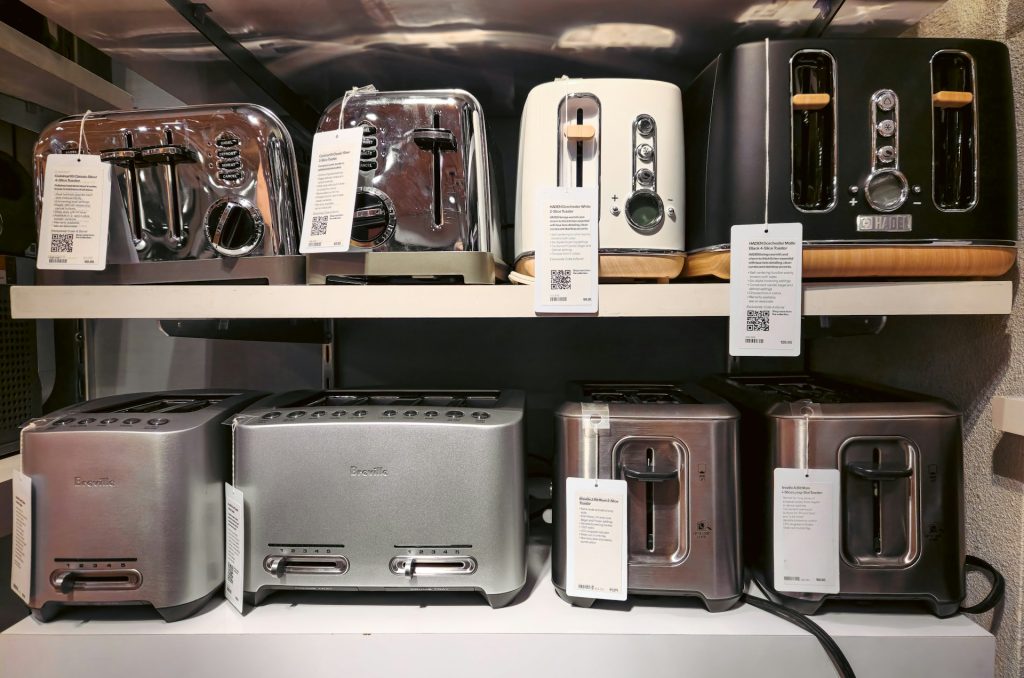
A lot of people think buying appliances is simple: just find the cheapest model that does the job and call it a day. At first glance, that logic makes sense. Why spend more when you don’t have to? The problem is that the “cheapest” choice is rarely the least expensive in the long run. Spending a little more upfront often means saving money down the road.
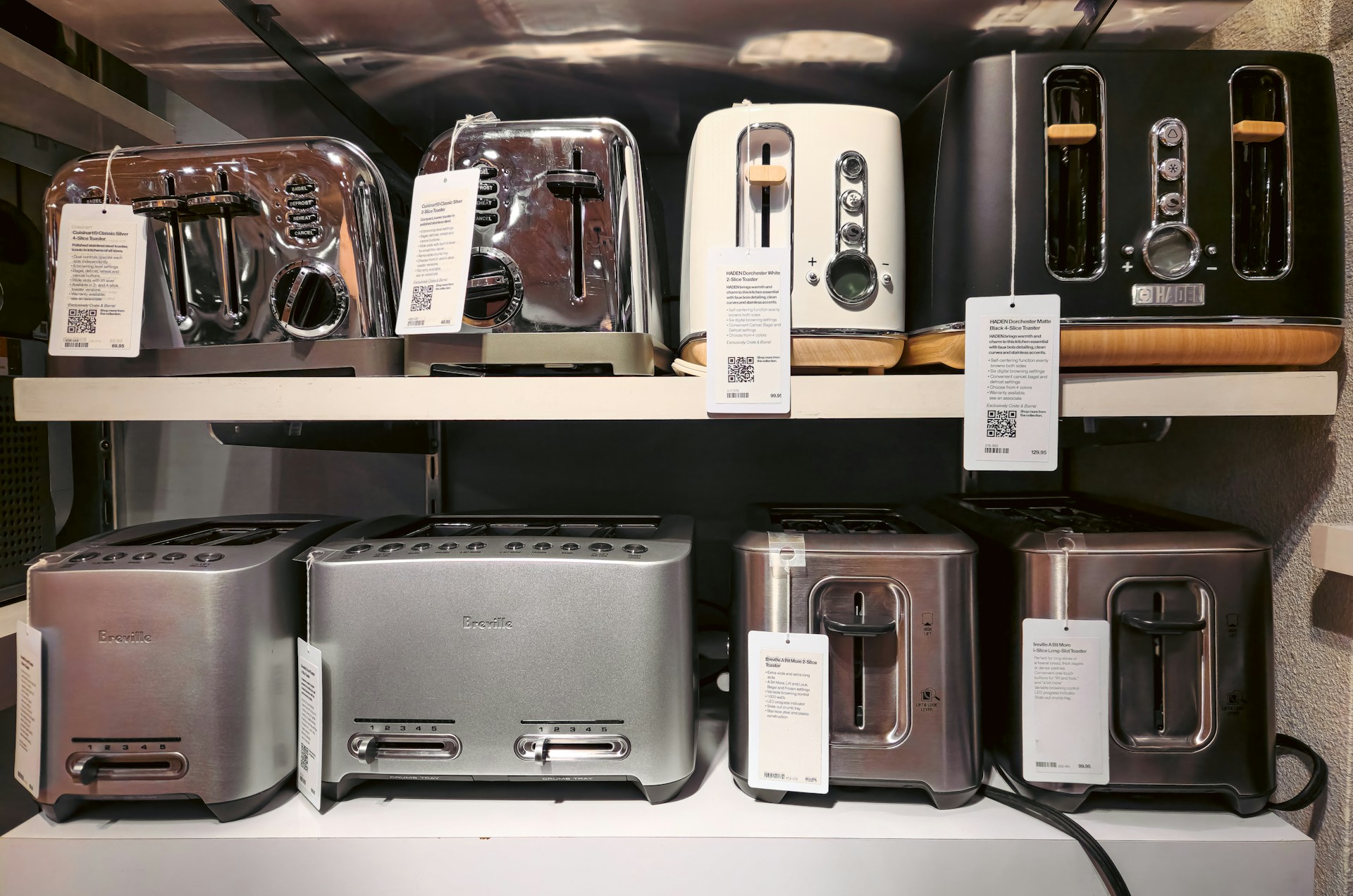
The Trap of the Bargain Buy
We’ve all fallen for it. You spot a machine at a price that feels almost too good, and you convince yourself it’ll be fine. And maybe it is, for a while. But a year or two in, the picture changes. A handle snap, or a motor weakens. Suddenly you’re hunting down replacement parts or calling in repairs. The money you thought you saved has slipped away bit by bit, and you’re left frustrated. What started as a bargain often ends up costing more than a sturdier option would’ve in the first place.
Efficiency That Pays for Itself
There’s also the hidden cost of running appliances. Cheaper models tend to eat up more electricity and water than their higher-quality counterparts. At first, it’s easy to overlook a little extra on your utility bill. But think about it across ten years, it all adds up. Quality appliances, like those from Laurastar, are designed with efficiency in mind, so while you pay more upfront, they pay you back month after month without you even noticing.
The Value of Your Time
Let’s not forget about time. How many hours have you lost re-washing dishes that came out spotty or vacuuming the same carpet three times because the machine just didn’t get it right? Lower-quality appliances waste time in ways you don’t always track. On the flip side, a dependable appliance does what it’s supposed to, first try. Over the years, those saved hours are worth something, maybe not in cash, but definitely in peace of mind.
Breakdowns and Stress
Money aside, breakdowns create stress you don’t need. Picture this: you load up the washer before work and it suddenly stops mid-cycle. Now you’re late, calling a repair service, and your week is thrown off. Reliable appliances don’t eliminate every risk, but they do cut down the chances of these disruptions, and that reliability, the confidence that your machine will keep running, is part of the value you get when you invest in quality.
Longevity Means Fewer Replacements
There’s also the big picture. A solid appliance might last a decade or more. A cheap one? Maybe half that, if you’re lucky. Replacing machines every few years isn’t just expensive, it’s inconvenient. The trips to the store, the deliveries, the installations, it all adds up. Buying quality stretches out the lifespan and spreads the cost. When you look at it this way, the higher sticker price suddenly seems less intimidating.
Final Thoughts
Investing in quality home appliances isn’t about showing off or chasing luxury. It’s about making practical choices that save money, time, and stress over the long run. Repairs, wasted energy, and constant replacements all chip away at the “savings” you thought you gained from a bargain.

Peyman Khosravani is a global blockchain and digital transformation expert with a passion for marketing, futuristic ideas, analytics insights, startup businesses, and effective communications. He has extensive experience in blockchain and DeFi projects and is committed to using technology to bring justice and fairness to society and promote freedom. Peyman has worked with international organizations to improve digital transformation strategies and data-gathering strategies that help identify customer touchpoints and sources of data that tell the story of what is happening. With his expertise in blockchain, digital transformation, marketing, analytics insights, startup businesses, and effective communications, Peyman is dedicated to helping businesses succeed in the digital age. He believes that technology can be used as a tool for positive change in the world.