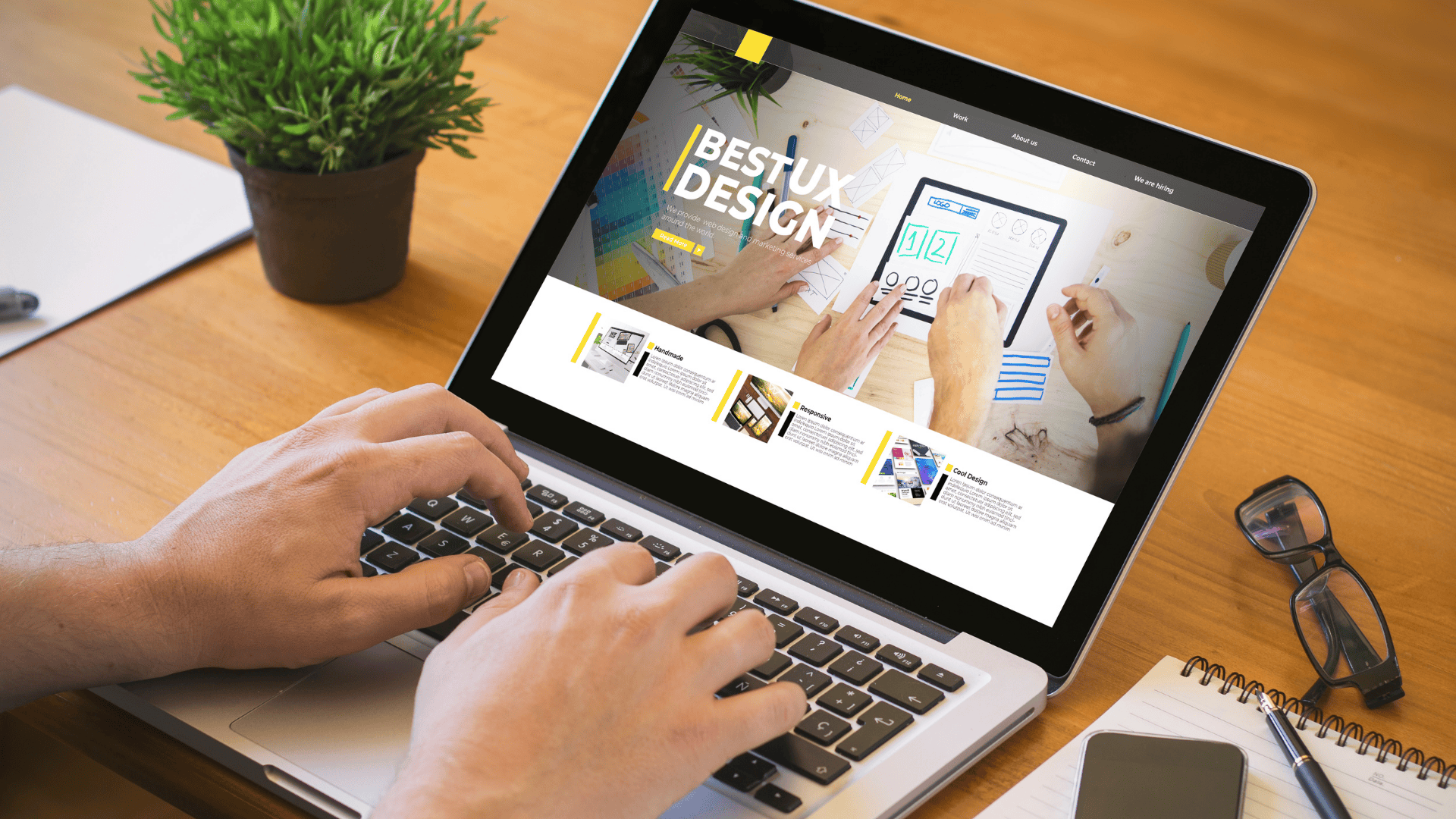
Many design projects begin with a familiar moment when a team tries to move past routines that no longer feel helpful. Fresh ideas often come from observing how other products solve similar problems and how real users move through an interface. Inspiration does not replace research, although it gives designers a clearer sense of what works in practice and why some decisions guide users more effectively than others. Studying real examples also reveals a wide range of approaches that can inform layout, pacing and content strategy.
Why design inspiration matters
Good design supports user goals and reduces friction. Designers study existing interfaces to understand how interactions are arranged and how visual balance guides a person from one step to the next. When someone reviews collections of well crafted interfaces, they gain both visual and structural knowledge. This habit speeds up decision making and keeps the creative process grounded in real user behaviour.
From this starting point, the following platforms offer reliable places to explore and compare ideas that can support everyday design work.
1. PageFlows
Library of real user journeys
PageFlows collects screen recordings and complete sequences from real products. Since the material on PageFlows shows every transition in its natural order, designers can observe how a person actually moves through onboarding, checkout or account creation. This format reveals structure, timing and the points where users often slow down.
Filters and categories
The platform offers filters based on device type and flow category such as registration, subscription, and e‑commerce processes. These filters help narrow research and make it easier to compare patterns.
What makes it practical
Its value comes from presenting real journeys instead of isolated screenshots. Designers can see the entire flow from the first screen to the final confirmation and understand and understand the purpose and placement of every step.
When it helps
A designer working on a payment sequence may study several similar flows and notice what usually creates hesitation. A product manager can examine these journeys to evaluate potential friction points.
2. Dribbble and Behance
Large creative communities
Dribbble and Behance function as meeting points where designers publish interface shots, motion experiments, branding projects and illustrations. These platforms reflect current visual trends and show how designers experiment with colour, type and layout.
Different types of depth
Behance often includes extensive case studies that start with concept sketches and end with the final interface. Dribbble usually offers shorter posts that highlight a single visual idea or a small change in style.
When they are useful
A designer who needs quick mood board material may prefer Dribbble. Someone who wants to understand the full creative development of a product can gain more from Behance.
3. Land Book and Lapa Ninja
Inspiration for landing pages
These platforms collect examples of complete landing pages arranged by category, palette or structural type. Since landing pages rely on clarity, hierarchy and persuasive rhythm, studying working examples is very helpful.
Why these collections matter
A landing page must guide the visitor toward a specific action. When a designer reviews many successful examples, they notice common structures such as headline placement, scroll behaviour and spacing.
Use case
People who design SaaS home pages or marketing websites often browse these collections to understand which blocks appear most often, how visual weight is distributed and how calls to action are introduced.
4. Mobbin and UI Sources
Extensive libraries of screens
Mobbin and UI Sources focus on real interfaces taken from popular apps and online products. Mobbin contains large collections of mobile screens grouped by category. UI Sources provides annotated walkthroughs of app flows.
Why they work well
These sites highlight established patterns that users already recognise. A designer can study them to understand expectations and avoid confusing layouts that break familiar behaviour.
When to use them
A mobile designer might look at several onboarding flows to decide on motion speed or control placement. A web designer can study how top services structure multi step actions.
5. Awwwards
Showcase of high end interactive design
Awwwards highlights projects that excel in visual experimentation, animation and interactive storytelling. Agencies and studios often publish their most ambitious work there.
What to keep in mind
While the presented projects are impressive, they are not always suitable as direct models for everyday product design. They work well as creative references for special campaigns or brand moments.
Use case
A designer building a portfolio website or a visually rich microsite can find inspiring transitions, motion, and overall art direction.
What to consider when choosing inspiration sources
- Relevance to your product type
- Availability of complete journeys rather than isolated screens
- Balance between variety and quality
- Frequency of updates
- Ability to learn patterns without copying them
Concluding insights
Inspiration is an invaluable asset that facilitates designers visualizing how similar challenges have been relevantly faced by others. Each of the platforms in this list serves a different use case. PageFlows shows actual user journeys, Dribbble & Behance are both visual scanning sites, Land Book & Lapa Ninja help with landing page design & structure, Mobbin & UI Sources provide examples of comparable patterns, and Awwwards has a wider range of more experimental work. By casting a wider net across a couple of inspiration sites, designers can develop a more nuanced understanding of both what previously existed, and provide an informed but novel viewpoint.

Himani Verma is a seasoned content writer and SEO expert, with experience in digital media. She has held various senior writing positions at enterprises like CloudTDMS (Synthetic Data Factory), Barrownz Group, and ATZA. Himani has also been Editorial Writer at Hindustan Time, a leading Indian English language news platform. She excels in content creation, proofreading, and editing, ensuring that every piece is polished and impactful. Her expertise in crafting SEO-friendly content for multiple verticals of businesses, including technology, healthcare, finance, sports, innovation, and more.