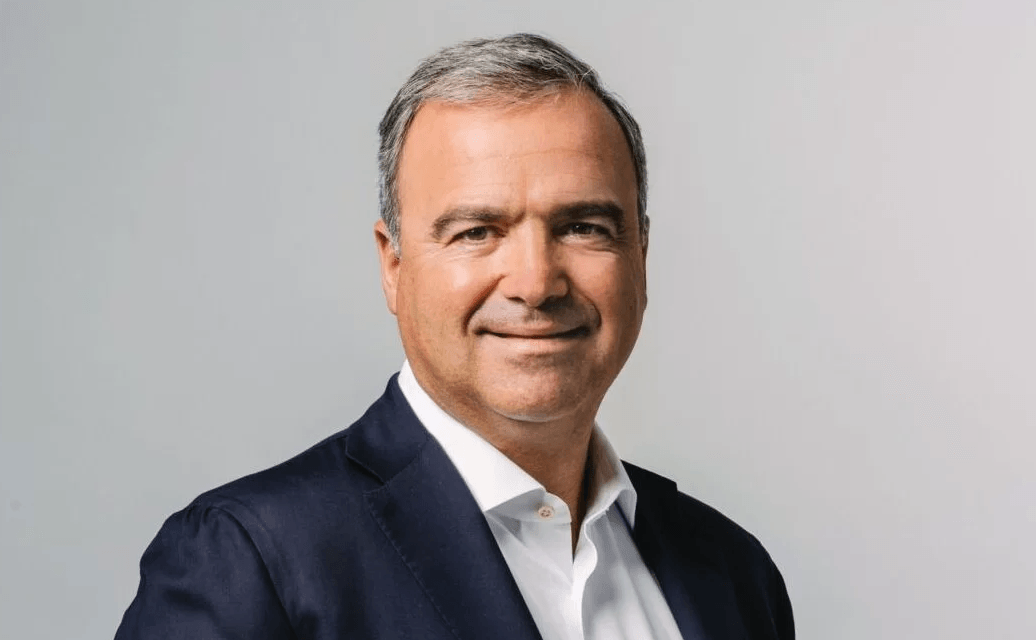
The healthcare and technology sectors face a crisis that threatens more than quarterly earnings. A shortage of skilled professionals across both industries has created bottlenecks that could cost the global economy trillions. For Jean-Pierre Conte, managing partner of family office Lupine Crest Capital, these workforce gaps represent both a market challenge and an opportunity to build human capital through structured mentorship and development initiatives.
Healthcare institutions across the United States will need to address severe staffing shortfalls in the coming years. The State of the U.S. Health Care Workforce projects a shortage of over 187,000 full-time equivalent physicians by 2037. Nursing faces similar pressures, with projections indicating shortages exceeding 500,000 registered nurses by 2025 and nursing assistant deficits reaching 73,000 by 2028.
Technology companies confront equally daunting obstacles. The International Data Corporation expects over 90% of global organizations to face IT skills shortage challenges by 2026, potentially driving product delays that could result in $5.5 trillion in losses. The demand for specialized skills in artificial intelligence, cybersecurity, and cloud computing far exceeds current supply, with 87% of technology leaders reporting challenges finding skilled talent.
Jean-Pierre Conte has observed these market dynamics throughout his decades in private equity, where healthcare and technology investments require deep understanding of talent pipelines. His approach extends beyond capital allocation to building systems that develop the next generation of professionals. Through educational philanthropy and mentorship programs, he addresses workforce development at its foundation—long before individuals enter professional markets.
This intersection of investment insight and human development reflects a broader recognition within private equity circles: sustainable returns depend on sustainable talent pools. For sectors experiencing acute shortages, the ability to identify, train, and retain skilled professionals has become as critical as any financial metric.
Mentorship Programs Bridge the Information Gap
Jean-Pierre Conte’s support for organizations like Sponsors for Educational Opportunity demonstrates how targeted mentorship can address workforce shortages before they materialize. SEO Scholars operates as a free, eight-year academic program that transforms public high school students into college graduates, with 100% of participants accepted into four-year colleges and 85% graduating with Bachelor’s degrees. The program serves over 2,500 high school and college students annually across New York City, San Francisco, North Carolina, and Miami.
The structure of SEO’s approach addresses a fundamental barrier: students from underserved communities often lack access to the professional networks and practical guidance needed to translate academic achievement into career success. Conte has contributed both financial resources and operational expertise to the organization, including opening internship opportunities at his family office.
Students who participate in SEO voluntarily commit to after-school work, Saturday classes, summer sessions, and supplemental tutoring beyond their standard public school education. This intensive preparation model combines academic support with mentorship designed to prepare students for college admission and completion.
The investment extends beyond high school. SEO Career, which recruits and prepares high-achieving undergraduates for summer internships, places students at over 80 corporate partners with an 80% conversion rate to full-time employment offers. For technology sector shortages specifically, SEO Tech Developer provides intensive training for computer science and software engineering students, directly feeding talent into an industry where skilled professionals remain scarce.
Conte’s involvement includes annual presentations to SEO students about career pathways in private equity—an industry historically difficult for first-generation professionals to access. This direct engagement reflects his belief that mentorship requires more than financial support. Building robust talent pipelines demands consistent investment of time, expertise, and networks from established professionals willing to open doors for the next generation.
The model addresses both immediate workforce needs and long-term systemic gaps. Healthcare and technology sectors require not just more workers, but professionals equipped with both technical skills and the professional development necessary to advance within their fields.
Early Intervention Creates Sustainable Talent Pipelines
Jean-Pierre Conte’s partnership with 10,000 Degrees in San Francisco illustrates another critical element of workforce development: starting earlier in the educational pipeline. Founded in 1981, 10,000 Degrees works with students from low-income backgrounds across multiple Bay Area counties, providing comprehensive support from high school through college graduation.
The organization reports that more than 80% of participants who attend four-year colleges earn bachelor’s degrees, compared with 31% of their peers nationally, while community college participants transfer to and graduate from four-year colleges at three times the national average. These outcomes directly address the healthcare and technology workforce shortages by ensuring students from underserved communities complete the educational requirements necessary for professional careers.
Conte recognized that waiting until students reach college age proves too late for many potential professionals. His support for organizations that engage students during high school and even earlier reflects an understanding that career pathways require early formation. This insight led him to support organizations that engage students during critical developmental windows when career trajectories remain malleable.
The economic implications extend beyond individual success stories. With healthcare facing a projected shortage of over 187,000 physicians and technology companies struggling to fill critical roles in cybersecurity and software development, the failure to develop domestic talent pools carries substantial costs. McKinsey estimates that closing the healthcare workforce shortage gap could eliminate 7% of the global disease burden and add $1.1 trillion to the global economy.
For Jean-Pierre Conte, workforce development represents more than corporate social responsibility. His approach treats talent cultivation as fundamental infrastructure—necessary for healthy markets, sustainable businesses, and functioning communities. The mentorship programs he supports create measurable pathways from underserved high schools to professional careers, addressing workforce shortages at their source rather than attempting to solve crises after they emerge.
His investment philosophy recognizes what labor market data confirms: building robust industries requires building robust talent pipelines, and those pipelines begin long before students enter the workforce.
Read: How Entrepreneurs Can Apply Their Business Savvy In Philanthropy

Himani Verma is a seasoned content writer and SEO expert, with experience in digital media. She has held various senior writing positions at enterprises like CloudTDMS (Synthetic Data Factory), Barrownz Group, and ATZA. Himani has also been Editorial Writer at Hindustan Time, a leading Indian English language news platform. She excels in content creation, proofreading, and editing, ensuring that every piece is polished and impactful. Her expertise in crafting SEO-friendly content for multiple verticals of businesses, including technology, healthcare, finance, sports, innovation, and more.