
Thinking about buying a rental property? It’s a smart move for building wealth, but getting the money to do it can feel like a puzzle. You need to find the right loan investment property, and that means understanding what lenders want to see. It’s not just about your credit score; it’s about the whole picture. We’ll break down how to get that loan, from getting your finances in order to picking the best loan type for your goals. Let’s make this investment property dream a reality.
Key Takeaways
- Lenders evaluate your credit score, debt-to-income ratio, and the property’s income potential when considering a loan investment property.
- Strengthening your financial profile by improving your credit and saving for a down payment is key to loan approval.
- Gathering all necessary documents, like income verification and proof of assets, will streamline your loan application process.
- Different loan options exist for investment properties, including conventional mortgages and specialized loans for fix-and-flip projects.
- Choosing a loan that aligns with your specific investment strategy, whether short-term or long-term, is vital for financial success.
Understanding Lender Requirements for Investment Property Loans
When you’re looking to buy an investment property, getting a loan is a big step. Lenders aren’t just handing out money; they need to be sure you’re a good bet. They look at a few key things to figure out if you’re likely to pay back the loan. It’s all about managing risk for them. So, what exactly are they checking?
Related Content: aidvantage login
Key Factors Lenders Evaluate
Lenders assess several aspects of your financial situation and the property itself. They want to see that you have the capacity to handle the loan payments and that the property makes financial sense. Here’s a breakdown of what they typically consider:
- Credit Score: This is a quick way for lenders to gauge your history with debt. A higher score generally means you’ve managed credit well in the past, making you a less risky borrower.
- Income Stability: They’ll want to see consistent income from reliable sources to ensure you can afford the monthly payments.
- Debt-to-Income Ratio (DTI): This compares your total monthly debt payments to your gross monthly income. A lower DTI suggests you have more room in your budget for a new loan.
- Down Payment: The amount you put down upfront is significant. A larger down payment reduces the lender’s exposure to risk.
- Property’s Income Potential: For investment properties, lenders often consider how much rent the property could realistically generate. This can sometimes be factored into your qualifying income, but it requires proof, like a lease agreement or an appraisal.
- Cash Reserves: You might need to show you have enough savings to cover several months of mortgage payments, taxes, and insurance, especially if the property is vacant.
Lenders are essentially looking for a borrower who is financially stable and a property that is likely to generate enough income to cover its expenses and the loan payments.
The Role of Credit Score and DTI
Your credit score and Debt-to-Income (DTI) ratio are two of the most heavily weighted factors. A good credit score, often 620 or higher, is usually the minimum for investment property loans, though higher scores can get you better terms. Your DTI shows how much of your income is already committed to debt payments. Lenders generally prefer a DTI below 45%, as it indicates you have a healthy balance between your income and your financial obligations. Improving these two areas can significantly boost your chances of approval and secure more favorable loan conditions. It’s worth taking the time to improve your credit score and reduce existing debts before applying.
Demonstrating Property Income Potential
Lenders want to see that the property you’re buying can actually make money. They’ll look at its potential to generate rental income. This often involves reviewing comparable rental rates in the area and the property’s condition. Some lenders will allow you to count a portion of the projected rental income towards your ability to repay the loan, but this usually requires documentation like a current lease or a professional appraisal of the rental value. Showing that the property is in good condition and located in a desirable rental market helps demonstrate its income-generating capacity. This is a key part of the lender’s risk assessment for investment property loans.
Preparing Your Financial Profile for Loan Approval
Getting your finances in order before you even think about applying for a loan is a smart move. It’s like getting your tools ready before starting a big project. Lenders want to see that you’re a reliable borrower, and your financial profile is how you show them that. This isn’t just about filling out forms; it’s about presenting a clear picture of your financial health and your ability to handle another mortgage payment. A strong financial profile can make the difference between getting approved with good terms or facing rejection.
Assessing Your Financial Health
Lenders will look at several key numbers to understand your financial situation. They want to make sure you can manage your debts and have enough income to cover the new loan.
- Credit Score: This is a big one. Generally, a score of 620 or higher is a good starting point for investment property loans, but a higher score can get you better interest rates.
- Debt-to-Income Ratio (DTI): This compares your total monthly debt payments to your gross monthly income. Lenders usually prefer this to be below 45%. A lower DTI shows you have more room in your budget for a new loan.
- Cash Reserves: Lenders want to see that you have money set aside to cover unexpected expenses, like vacancies or repairs. They might want to see several months of mortgage payments in reserve.
Understanding these metrics is the first step. It helps you see where you stand and what areas might need improvement before you approach a lender.
Improving Your Credit Score and DTI
If your credit score or DTI isn’t where you’d like it to be, don’t worry. There are steps you can take to improve them.
- Pay Down Debt: Focus on reducing balances on credit cards and other loans. This directly lowers your DTI and can positively impact your credit score over time.
- Make On-Time Payments: Consistently paying your bills on time is one of the most important factors for your credit score. Set up auto-pay or reminders if needed.
- Check Your Credit Report: Review your credit report for any errors and dispute them. Sometimes, mistakes can unfairly lower your score.
Saving for the Required Down Payment
Investment properties typically require a larger down payment than primary residences. Expect to put down anywhere from 20% to 25% or even more. Saving this amount takes time and planning.
- Set a Savings Goal: Determine the exact amount you’ll need based on the property price and the lender’s requirements.
- Create a Budget: Track your income and expenses to find areas where you can cut back and redirect funds towards your down payment savings.
- Explore Different Savings Accounts: Consider high-yield savings accounts to help your money grow faster while you save.
Putting together a solid financial profile is an investment in itself. It shows lenders you’re serious and prepared, which can lead to a smoother loan process and better financing terms for your investment property.
Gathering Essential Documentation for Your Loan Application
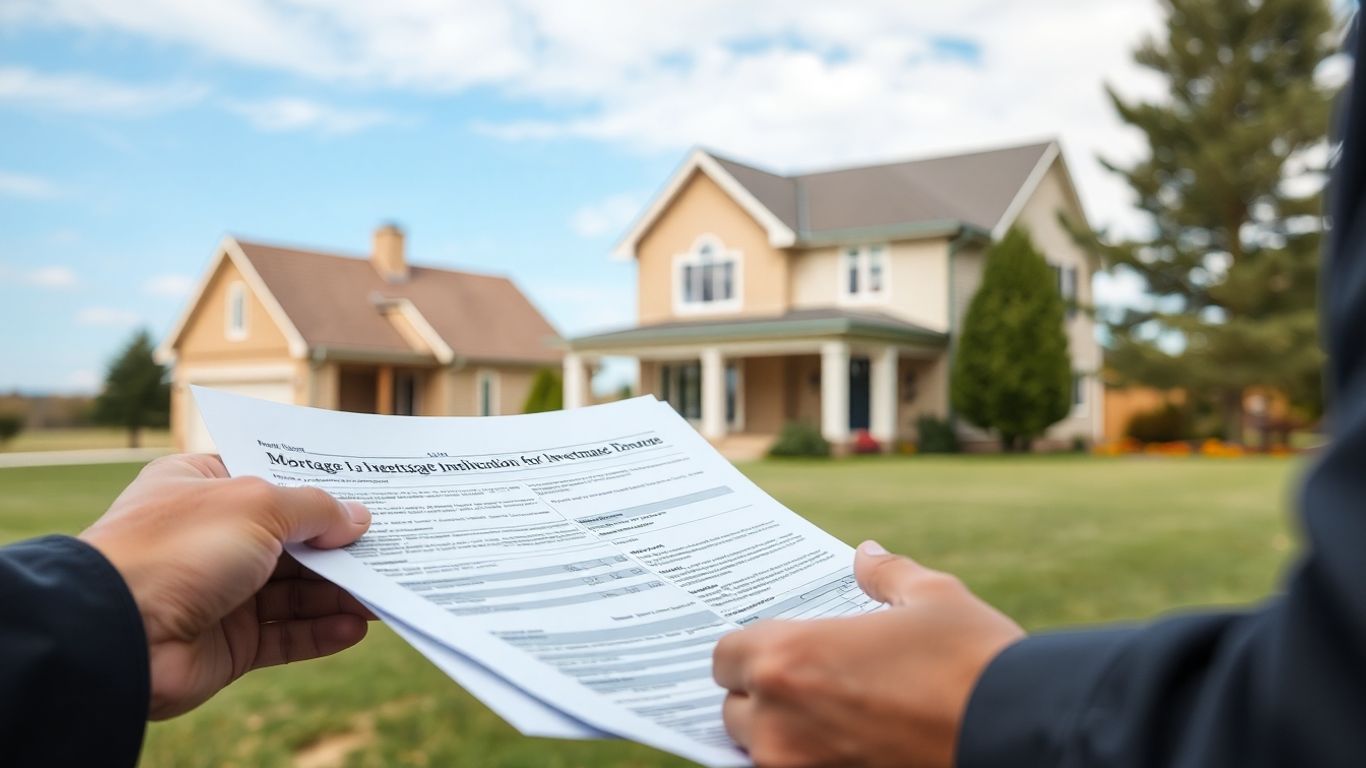
Getting your paperwork in order is a big part of the loan application process. Lenders need to see a clear picture of your financial situation and the property you’re looking to invest in. Having everything ready beforehand can make the whole experience much smoother and faster. It’s not just about filling out forms; it’s about presenting a solid case for why you’re a good borrower.
Income Verification Documents
Lenders want to confirm you have a steady income to handle loan payments. This usually means providing documents that show how much you earn and where it comes from.
- For W-2 Employees: You’ll typically need recent pay stubs (usually the last 30 days) and your most recent W-2 forms (often the last two years).
- For Self-Employed Individuals or Business Owners: Be prepared to submit your complete personal and business tax returns for the past two to three years. Profit and loss statements and a year-to-date P&L might also be requested.
- Other Income Sources: If you have income from sources like social security, pensions, or rental properties, you’ll need documentation like award letters, bank statements showing deposits, or relevant tax forms.
Proof of Assets and Debts
This section shows lenders what you own and what you owe. It helps them understand your overall financial health and your capacity to take on more debt.
- Bank Statements: You’ll likely need statements for all your checking and savings accounts, usually for the last two to three months. This shows your cash reserves and spending habits.
- Investment Accounts: Statements for brokerage accounts, retirement funds (like 401(k)s or IRAs), and other investment portfolios will be needed to document your assets.
- Debt Information: Lenders will want to know about any outstanding debts, including car loans, student loans, credit card balances, and any other existing mortgages. You might need to provide recent statements for these.
Lenders look at your assets not just for the down payment, but also to see if you have reserves to cover unexpected expenses or vacancies after you buy the property. This demonstrates financial stability beyond just your monthly income.
Property-Specific Information
If you’ve already found a property, you’ll need to provide details about it. This helps the lender assess the investment’s potential and value.
- Purchase Agreement: If you’re buying a property, the signed purchase agreement is a key document. It outlines the sale price, terms, and conditions.
- Appraisal Report: The lender will order an appraisal to determine the property’s market value. You might be asked to provide any preliminary reports or information you have about the property’s condition.
- Rental Income Projections: While not always a formal document, lenders will want to see a realistic estimate of the potential rental income. This involves researching comparable rental rates in the area and accounting for potential vacancies and operating expenses. Showing you’ve done your homework here is important.
Organizing these documents in a clear, accessible way, whether in a physical binder or a digital folder, can significantly speed up the loan application process and reduce stress. It shows you’re serious about the investment and prepared to move forward.
Exploring Different Loan Options for Investment Properties
When you’re looking to buy a property that you plan to rent out or flip, the type of loan you choose is a big deal. It’s not like getting a mortgage for your own home; lenders often have different rules and expectations for investment properties. Think of it like picking the right tool for a specific job – the better the fit, the smoother the process and the better the outcome. Understanding these options will help you make a smart financial move.
Conventional Mortgages for Investors
These are loans you can get from banks or credit unions, and they often follow guidelines set by big companies like Fannie Mae and Freddie Mac. Because of this, they tend to have stricter requirements. You’ll usually need a good credit score and a solid income history. Lenders want to see that you can handle the payments, even if the property is vacant for a bit.
- Down Payment: Expect to put down at least 15-20% of the property’s price. Sometimes it can be more, depending on the lender and the property type.
- Credit Score: A higher credit score generally means better interest rates and a higher chance of approval.
- Debt-to-Income Ratio (DTI): Lenders will look at how much debt you already have compared to your income.
- Reserves: You’ll likely need to show you have enough savings to cover several months of mortgage payments, property taxes, and insurance.
Conventional loans are a solid choice if you have a strong financial profile and are looking for stable, long-term financing. They often come with competitive interest rates compared to some other specialized loans.
Specialized Loans for Fix-and-Flip Projects
If your plan involves buying a property, fixing it up, and then selling it quickly, you’ll want to look at loans designed for this purpose. These are often called bridge loans or hard money loans, and they’re built for short-term needs.
- Bridge Loans: These provide temporary funding to
Aligning Your Loan Choice with Your Investment Strategy
Choosing the best loan isn’t only about qualifying—it’s about picking a financing tool that truly fits the plan you have for your property and your financial goals. Every property investment strategy comes with different needs, so understanding the details behind each loan option will help you avoid surprises and set yourself up for a smoother experience.
Matching Loan Types to Property Goals
The right loan depends a lot on what you plan to do with the property:
- Buy and Hold: Conventional or rental property loans work well for investors who want long-term rentals and steady cash flow.
- Fix-and-Flip: A short-term rehab, bridge, or hard money loan might be better if you’re looking to renovate quickly and sell fast—these loans focus more on property value and less on your personal income.
- Mixed Strategies: If you might switch your plan (for instance, flip if values rise, or rent if not), look at options that allow for refinancing or early payoff.
| Investment Strategy | Best Loan Types | Typical Term | Key Considerations |
|---|---|---|---|
| Long-Term Rental | Conventional, DSCR, Portfolio | 15-30 years | Lower rates, higher reqs |
| Fix-and-Flip | Bridge, Hard Money | 6-24 months | Faster funding, costlier |
| BRRRR (Buy & Hold) | Hard Money/Bridge → Conventional | Short → Long Term | May need multiple closings |
Considering Long-Term vs. Short-Term Financing
Short-term and long-term loans serve very different purposes. Short-term solutions might come with higher rates and upfront costs, but they allow for quicker access to funds and flexibility in renovation projects. Long-term loans generally offer lower monthly payments and a more predictable path if your exit plan is to build rental income over years.
- Short-Term: Good for flips or major rehabs (high rates, fast approval, quick payoff expected)
- Long-Term: Better for steady rental income and equity building over time (lower rates, longer payback)
- Refinancing Later: Some investors use short-term loans to acquire and fix, then refinance into long-term loans to hold.
Evaluating the Financial Implications of Loan Selection
You should always look past the immediate closing costs and monthly payments. Factor in:
- Interest Rates and Fees: Higher rates can eat into your profits quickly, especially on high-dollar projects.
- Cash Flow Impact: What will your actual income be after debt service, taxes, maintenance, and periods of vacancy?
- Exit Strategy: Will you sell, refinance, or hold? Different loans have different penalties or flexibility for early repayment and refinancing.
| Loan Feature | Impact on Cash Flow | Risk of Surprise Expenses |
|---|---|---|
| High Interest | Reduces profits | High |
| Prepayment Penalty | Reduces flexibility | Medium |
| Variable Terms | Changes over time | Depends |
When you focus on how your property, your plan, and your financing all fit together, you’re less likely to run into issues down the road that could have been avoided with a bit of homework upfront. Making the right loan choice really does shape the entire life of your investment.
Navigating the Investment Property Loan Eligibility Process
Getting approved for a loan to buy an investment property involves a few key steps where lenders size up your financial picture. They’re not just looking at your personal finances; they’re also assessing the potential of the property itself. Think of it as a two-way street where you need to show you’re a good bet and the property is too.
Understanding the Lender’s Risk Assessment
Lenders evaluate loan applications by looking at how likely you are to repay the loan. They do this by examining several factors. Your credit score is a major indicator of your past financial behavior. A higher score generally means you’ve managed debt well, which makes you a less risky borrower in their eyes. They’ll also look closely at your income to make sure you have enough coming in to cover the new loan payment, plus your existing bills. The debt-to-income ratio (DTI) is a key metric here; it compares how much you owe each month to how much you earn. A lower DTI suggests you have more financial breathing room. Finally, the size of your down payment plays a big role. A larger down payment reduces the lender’s exposure, often leading to better loan terms.
How Your Experience Influences Eligibility
While not always a strict requirement, having prior experience as a real estate investor can sometimes work in your favor. Lenders may see this experience as a sign that you understand the market, property management, and the potential challenges of owning rental properties. This can translate into a lower perceived risk. If you’re new to investing, lenders might look for other indicators of your preparedness, such as a solid business plan or a strong financial cushion beyond the down payment.
The Importance of a Solid Business Plan
A well-thought-out business plan is more than just a document; it’s a roadmap for your investment. For lenders, it demonstrates that you’ve done your homework. It should outline your strategy for acquiring and managing the property, your projections for rental income, and how you plan to handle expenses and potential vacancies. A clear plan shows you’re serious about the investment and have considered the financial aspects realistically. It helps lenders feel more confident that you understand the business side of owning rental property and are prepared to make it a success.
Common Misconceptions About Securing Rental Property Financing

Getting into rental property investment is exciting, but it’s easy to get tripped up by common misunderstandings about financing. Let’s clear the air and bust some of those persistent rental loan myths so you can move forward with confidence. Knowing the truth can make a big difference in how you approach your investment strategy and help you find the best path for your goals.
Busting Myths About Credit Requirements
One of the biggest myths I hear is that you absolutely must have a perfect personal financial record to qualify for an investment property loan. That’s not always the case! While good credit and stable income certainly help, some loan programs, like Debt Service Coverage Ratio (DSCR) loans, are more interested in the property’s ability to generate income than your personal W-2. These loans look at whether the expected rental income can cover the mortgage payments and other expenses. So, if a property has strong cash flow potential, you might still secure financing even if your personal income isn’t sky-high or perfectly documented in the traditional sense. Lenders have stricter credit score requirements for financing a rental property, but the exact number can vary. Generally, you might need a score of at least 640 or above, though some lenders might approve lower scores with other compensating factors.
Clarifying Down Payment Expectations
Another common misconception is that you need a massive 20% or 25% down payment to even think about buying a rental property. While putting more money down can lower your monthly payments and potentially get you better terms, it’s not always a rigid requirement. There are various financing options available, especially for those newer to investing, that may allow for lower down payments. Don’t let the fear of a huge upfront cost stop you from exploring. It’s worth investigating what’s out there, as you might be surprised by the flexibility some lenders offer to help you get started. Remember, lenders often require higher down payments for rental property loans because they are considered riskier investments than primary residences. This larger down payment shows the lender you have more “skin in the game,” reducing their risk.
Understanding Loan Options Beyond Traditional Mortgages
Finally, some investors believe that all rental property loans are pretty much the same. This couldn’t be the truth! The type of financing you choose can significantly impact your overall returns and even your ability to close the deal smoothly. Different loans come with different interest rates, repayment terms, and qualification requirements. For instance, a short-term bridge loan designed for quick acquisitions or renovations serves a very different purpose than a long-term conventional rental loan. Taking the time to understand the nuances of each option will help you select the financing that best aligns with your specific investment goals. For example, if you’re looking at a quick fix-and-flip project, a bridge loan might be a great fit, offering short-term financing to purchase and renovate a property. For long-term holds, you’ll want to explore options like traditional rental loans. Understanding these differences can help you make smarter investment decisions and maximize your returns.
It’s so easy to do some quick math—rent minus mortgage equals profit, right? Unfortunately, many new investors fall into this trap and underestimate the true costs of owning a rental property. Beyond the mortgage, remember to factor in property taxes, insurance, regular maintenance, unexpected repairs (that leaky roof!), and potential vacancies when the property is empty between tenants. Creating a thorough budget that accounts for all these potential property expenses is crucial for accurately projecting your returns and avoiding surprises down the line that could eat into your hard-earned profits.
Here’s a look at some common loan types:
- Conventional Mortgages: Standard loans, often requiring a good credit score and a solid financial history.
- DSCR Loans: Focus on the property’s rental income potential to cover the loan payments, making them attractive for investors.
- Fix-and-Flip Loans: Short-term financing designed for properties needing renovation before resale or renting.
- Private/Hard Money Loans: Often faster to obtain but typically come with higher interest rates and shorter terms, suitable for specific situations.
Your Investment Property Loan Journey
Getting a loan for an investment property might seem like a lot, but it’s totally doable with the right steps. Lenders look at your finances and the property’s potential to make sure it’s a good fit. By understanding what they need, like your credit score and how much you can put down, you can make your application stronger. Remember, the loan is just one part of the picture; having a solid plan for your property is key too. Take your time, get your paperwork in order, and don’t be afraid to ask questions. This preparation will help you find the right financing and set you up for success as a real estate investor.
Frequently Asked Questions
What’s the difference between a loan for my own home and a loan for an investment property?
Loans for your own home are for places you’ll live in. Loans for investment properties are for houses or buildings you plan to rent out to others or fix up and sell for a profit. Because investment properties are seen as a bit riskier for lenders, they often have different rules, like needing a bigger down payment and having stricter requirements to get approved.
How important is my credit score when applying for an investment property loan?
Your credit score is pretty important! It’s like a report card for how well you handle borrowing money. A higher score shows lenders you’re reliable and likely to pay back the loan. While some loans might be possible with a lower score, aiming for a good score (usually above 620, but higher is better!) can help you get approved more easily and might even get you a better interest rate.
Do I need a lot of money saved up for a down payment on an investment property?
Yes, generally you’ll need a larger down payment for an investment property compared to a home you plan to live in. Lenders often want to see around 20% to 25% of the property’s price upfront. Having a bigger down payment shows you’re serious about the investment and reduces the lender’s risk.
What kind of documents will I need to apply for a loan?
You’ll need to prove your financial situation. This typically includes things like recent pay stubs, tax returns (especially if you’re self-employed), bank statements to show your savings and assets, and information about any debts you have. Lenders want to see a clear picture of your income and financial stability.
Are there special loans for people who want to buy and fix up properties to rent or sell?
Yes, there are! These are often called ‘fix-and-flip’ loans. They are usually short-term loans designed to help you buy a property that needs work, cover the renovation costs, and then either rent it out or sell it quickly. They often have higher interest rates because they’re for a shorter period.
Can the property I want to buy help me get the loan?
Absolutely! Lenders look at how much income the property itself is likely to make from rent. If the property is in a good location and seems like it will bring in enough money to cover the loan payments and other costs, it can make your loan application much stronger. This is sometimes looked at with loans like DSCR loans.

Peyman Khosravani is a global blockchain and digital transformation expert with a passion for marketing, futuristic ideas, analytics insights, startup businesses, and effective communications. He has extensive experience in blockchain and DeFi projects and is committed to using technology to bring justice and fairness to society and promote freedom. Peyman has worked with international organizations to improve digital transformation strategies and data-gathering strategies that help identify customer touchpoints and sources of data that tell the story of what is happening. With his expertise in blockchain, digital transformation, marketing, analytics insights, startup businesses, and effective communications, Peyman is dedicated to helping businesses succeed in the digital age. He believes that technology can be used as a tool for positive change in the world.