The demand for effective agricultural practices has led to innovations within the sector. Advanced growing systems are at the forefront of this agricultural evolution, utilizing technology to improve production efficiency and sustainability.
These systems encompass various techniques, including hydroponics, aquaponics, and greenhouses, all designed to maximize output and minimize resource consumption. A better knowledge of advanced growing systems becomes necessary for farmers looking to improve their yield and maintain environmental responsibility.
What Are Advanced Growing Systems?
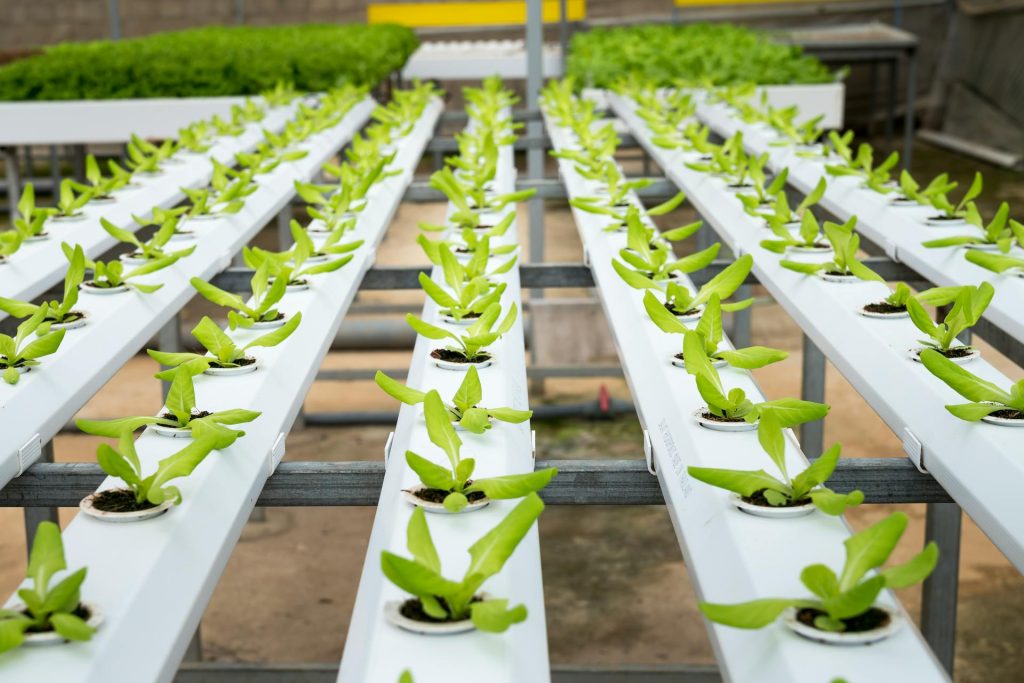
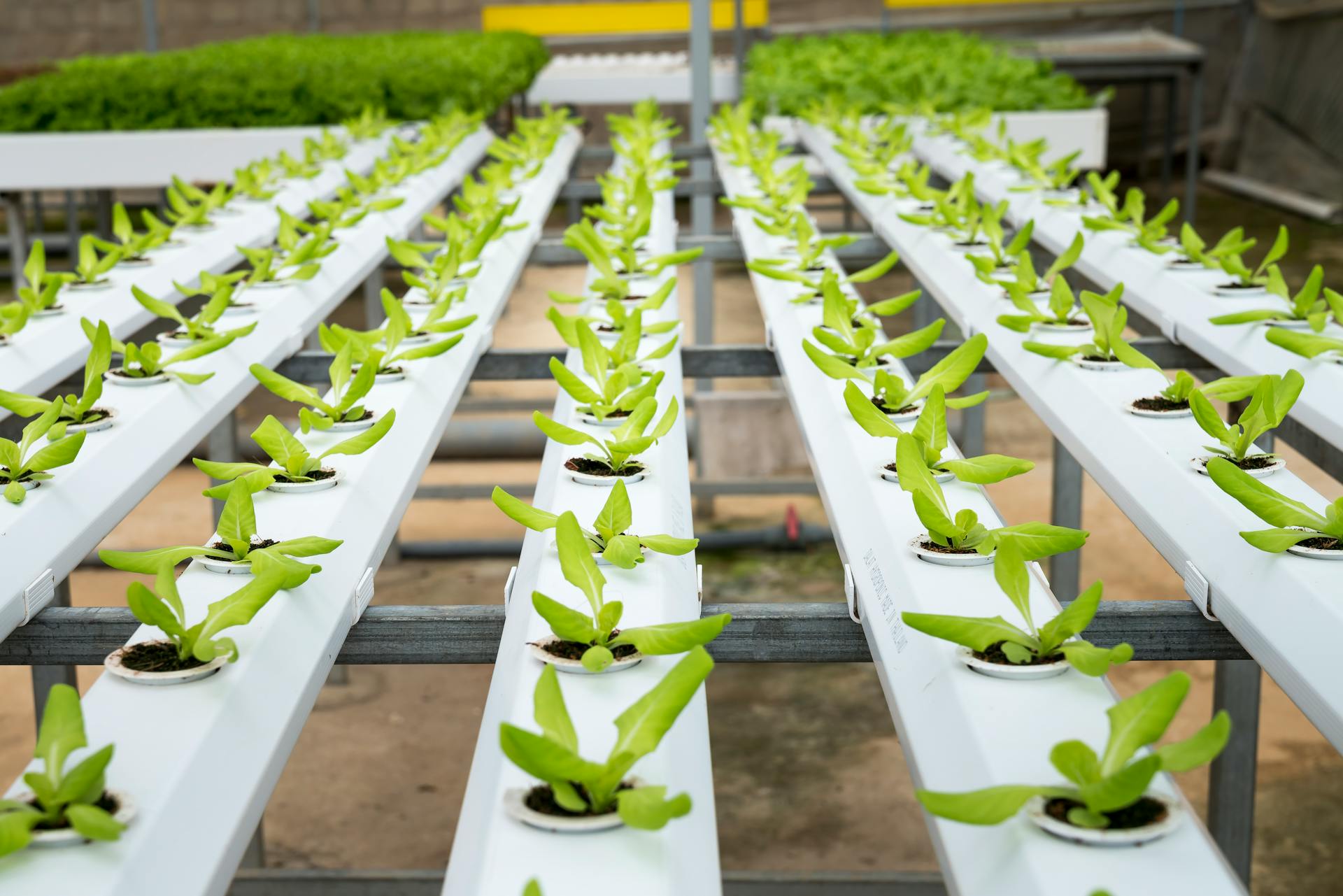
Advanced growing systems refer to innovative methods developed to promote plant growth in less conventional settings. Hydroponics allows plants to grow without soil, using nutrient solutions instead. This system can lead to higher yields and faster growth cycles compared to traditional farming methods.
Aquaponics combines fish farming with plant cultivation and creates a symbiotic relationship that benefits both organisms and reduces water usage. These systems offer unique solutions to problems facing modern agriculture, such as limited arable land and water scarcity. The versatility of these growing methods makes them applicable in various environments, from arid regions to urban landscapes.
Urban agriculture has gained traction as cities look to become more self-sufficient and reduce their carbon footprints. Implementing these growing systems requires a solid understanding of their mechanics and the benefits they provide. Many advanced growers are turning to modern greenhouse technology to optimize their crop production and efficiency.
Choosing the Right Professional Greenhouse Systems
Greenhouses offer several advantages, including better pest control, optimized temperatures, and the ability to cultivate crops that wouldn’t thrive in local climates. Modern structures can be equipped with climate control systems, which allow for precise management of environmental factors to plant growth.
For those considering expanding their agricultural endeavors, explore various options available in professional greenhouse setups. With many companies offering tailored solutions, interested growers can easily get a greenhouse quote that meets their specific needs. Energy-efficient designs are becoming more mainstream, further reducing operational costs and carbon footprints associated with traditional farming techniques. The durability and longevity of professional greenhouses mean they represent a long-term investment strategy.
The Role of Technology in Agriculture
Technology reshapes how crops are cultivated and managed. Precision agriculture tools enable farmers to gather data on their crops and optimize irrigation and nutrient application. These technologies reduce waste and input costs. Smart systems that control environmental variables (temperature, humidity, and light) to maximize production in greenhouse settings.
The integration of artificial intelligence into farming holds promise for the future. Machine learning algorithms can analyze agricultural data to predict trends, allowing farmers to make data-informed decisions. Farmers must stay informed and adapt to new technologies to remain competitive and sustainable.
Sustainability in Advanced Growing Systems
Sustainability is a driving force behind the development of advanced growing systems. Hydroponics and aquaponics are designed to minimize water usage and reduce the need for chemical inputs. These systems promote local food production, decreasing transportation emissions associated with moving food long distances.
By growing food closer to consumers, the environmental impact is lowered and supports local economies. Owning an advanced growing system can be viewed as a farming method and a commitment to sustainable practices that benefit the planet. Charting this course towards sustainable agriculture involves collaboration among growers, researchers, and policymakers so that best practices are shared and promoted.
Economic Implications of Advanced Growing Systems
For many farmers, shifting to more innovative methods may require a capital investment initially. The long-term savings on labor, water, and inputs can result in increased profitability. Hydroponic and aquaponic systems have reported shorter growth cycles and higher yields, allowing farmers to produce more crops in less time.
Advanced growing systems provide a steady income stream and mitigate the effects of seasonal fluctuations in pricing. The rise of advanced growing systems opens new avenues for entrepreneurs. In rural areas, such systems can reinvigorate local economies by providing consistent employment opportunities and supporting nearby businesses.
The Future of Agriculture with Advanced Growing Systems
Advanced growing systems hold the promise of revolutionizing agriculture as we know it. The ongoing challenges posed by climate change, population growth, and resource scarcity necessitate a shift toward more innovative and efficient farming techniques. More effective solutions will emerge, providing a framework for sustainable agriculture.
Integrating vertical farming and controlled-environment agriculture will become more mainstream. The demand for locally sourced food increases and drives innovations in growing systems designed for limited spaces. These methods combat some of the most pressing issues related to urbanization.
Investments in research and development will encourage breakthroughs that lead to better crop varieties and more effective growing techniques. Collaboration across various sectors, such as technology, agriculture, and academia, will shape the innovations of tomorrow. The future will depend on our ability to embrace these advancements and implement them sustainably.
Advanced growing systems are shaping the future of agriculture. From sustainability to economic viability, these innovative techniques hold the potential to revolutionize how crops are produced and consumed.
Farmers who adapt to these changes boost their efficiency and contribute to a more sustainable food system. As technology and environmental consciousness continue to evolve, so too will agricultural practices, creating opportunities for growth, innovation, and sustainability.