

Injury recovery is a complex process that involves multiple stages to return to optimal health and functionality. Whether an individual is healing from a sports-related injury, surgery, or an accident, you must understand these stages.
Healing is about the physical, mental, and emotional recovery. Recognizing the phases can guide individuals in managing their expectations and making informed decisions about their rehabilitation and treatment.

Role of Legal Professionals in Injury Recovery
If the injury was a result of negligence or an accident, navigating the recovery process comes with some legal considerations. Legal professionals like Law Offices of Ossie Brown can provide guidance during this time. Claiming compensation for medical expenses, lost income, and other damages can alleviate the financial burden of recovery. Lawyers specializing in personal injury can guarantee that victims receive the support they need while they focus on healing.
The right legal representation can encourage communication with insurance companies, allowing the injured party to concentrate on rehabilitation without added stress. Acquiring knowledge about patients’ rights during recovery is a must.
The Initial Assessment and Diagnosis
The journey of recovery begins with an initial diagnosis following an injury. This initial assessment establishes the foundation for the entire rehabilitation plan. During this phase, medical professionals utilize various diagnostic tools like X-rays, MRIs, and physical examinations to ascertain the extent of the injury.
Receiving a precise diagnosis enables healthcare providers to develop an appropriate treatment strategy tailored to the individual’s needs. This stage involves diagnosis and consists of understanding the limitations imposed by the injury. Engaging with healthcare practitioners and comprehending the intricacies of the injury forms a critical component of the recovery process.
The Inflammatory Response
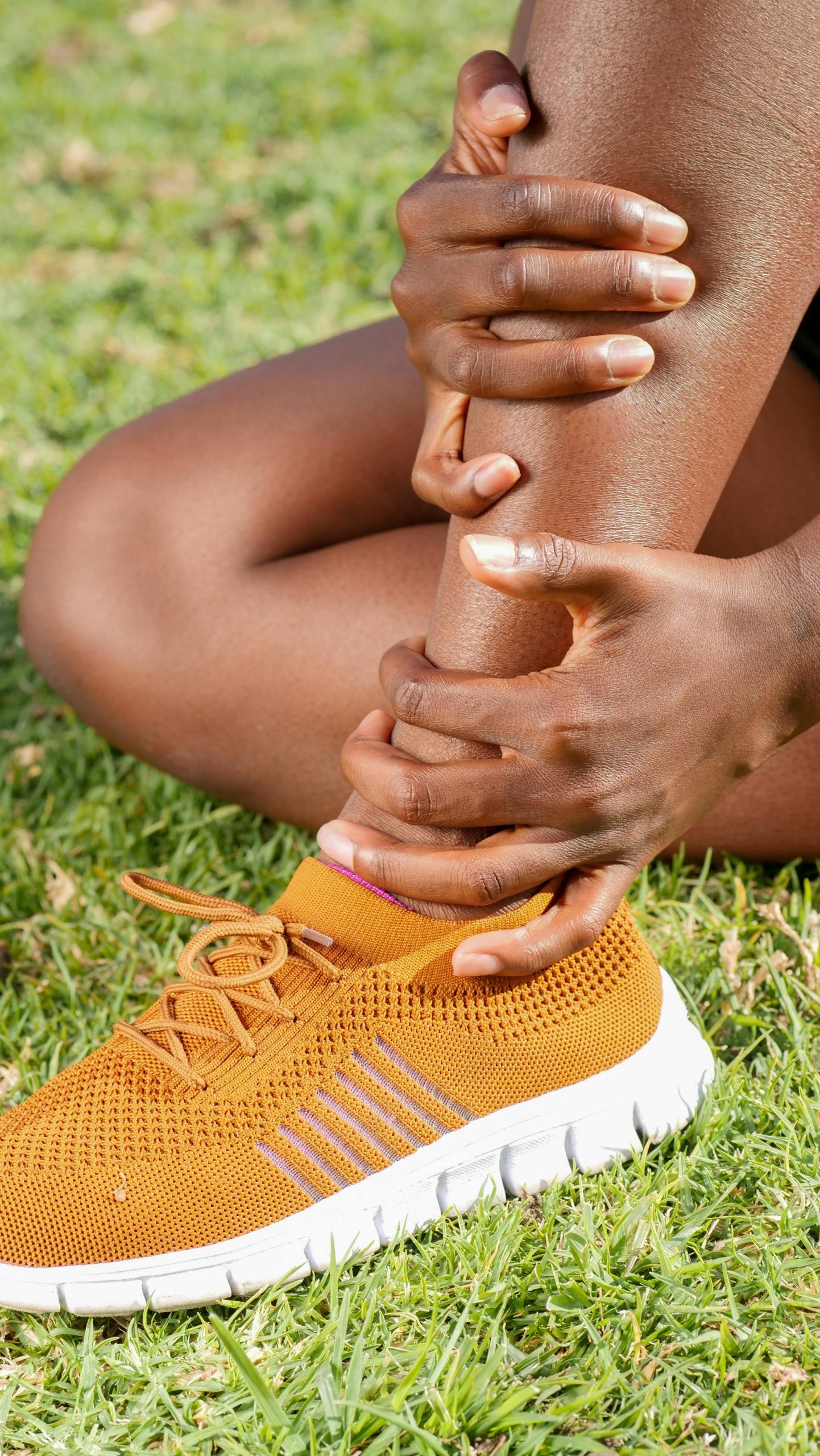
After an injury, the body enters a natural inflammatory response phase aimed at healing. This response is characterized by swelling, heat, redness, and pain, which indicate the body’s initiation of a healing process. Inflammation protects the injured area and repairs tissues.
During this stage, rest allows the body to allocate resources towards recovery. Ice, elevation, and compression can all alleviate symptoms. Overexerting during this inflammatory phase can lead to further damage and delay recovery. This stage assists individuals in taking appropriate measures to promote effective healing.
The Proliferative Phase
Following inflammation, the proliferative phase focuses on tissue regeneration. The body works to repair damaged tissues through collagen formation, the main protein that helps restore strength to the injury site. New tissue, which is initially weak and disorganized, starts to form as the body lays down this collagen.
Individuals often start engaging in physical therapy during this stage as clinicians seek to regain mobility and strength. Exercises are low-stress to avoid re-injury and promote healing. Adhering to a therapist’s guidance will help the healing tissue recover much faster.
The Remodeling Phase
Now, the body enters the remodeling phase, where the newly formed tissue gains strength and flexibility. This stage can last for several months, emphasizing that complete healing takes time. During remodeling, patients work on strengthening the injured area through more active therapy sessions.
Rehabilitation exercises become progressively intense so that the body adapts and improves its functionality. This is an opportunity to challenge the body within safe limits, to reestablish pre-injury strength and range of motion. At this point, individuals need to maintain a positive mindset and commitment to their recovery goals.
The Importance of Physical Therapy
Physical therapy is what rebuilds strength and regains functional mobility. Therapeutic exercises tailored to the specific injury can help restore movement and reduce pain effectively. Physical therapists employ techniques such as manual therapy, ultrasound, and electrical stimulation to aid recovery. They provide valuable education on posture, ergonomics, and activity modification to prevent future injuries.
Establish long-term strategies for maintaining health and preventing reinjuries with physical therapy. Engaging with therapy proactively can help mitigate complications and improve the rehabilitation experience. Understanding the various modalities of therapy available empowers patients to take an active role in their recovery journey.
Mental and Emotional Aspects of Recovery
Recovery from an injury is mainly a physical process. Yet, the mental and emotional sphere gets affected, too. It is common for individuals to experience anxiety, frustration, and even depression during recovery due to loss of independence and lifestyle changes. Acknowledging these feelings can lead to a comprehensive recovery.
Support from friends, family, and professionals can make a significant difference during this time. Mindfulness practices, effective communication, and counseling may provide valuable tools for managing emotional challenges. Promoting a positive environment that encourages healing can improve recovery outcomes. Individuals should take time to celebrate small victories throughout their rehabilitation journey to maintain motivation.
A better knowledge of the stages of injury recovery prepares individuals for a more informed and empowered healing experience. Each phase, from initial assessment to long-term strategies, can restore health. Engaging with professionals and acknowledging both physical and emotional aspects is key to going through this journey successfully.









