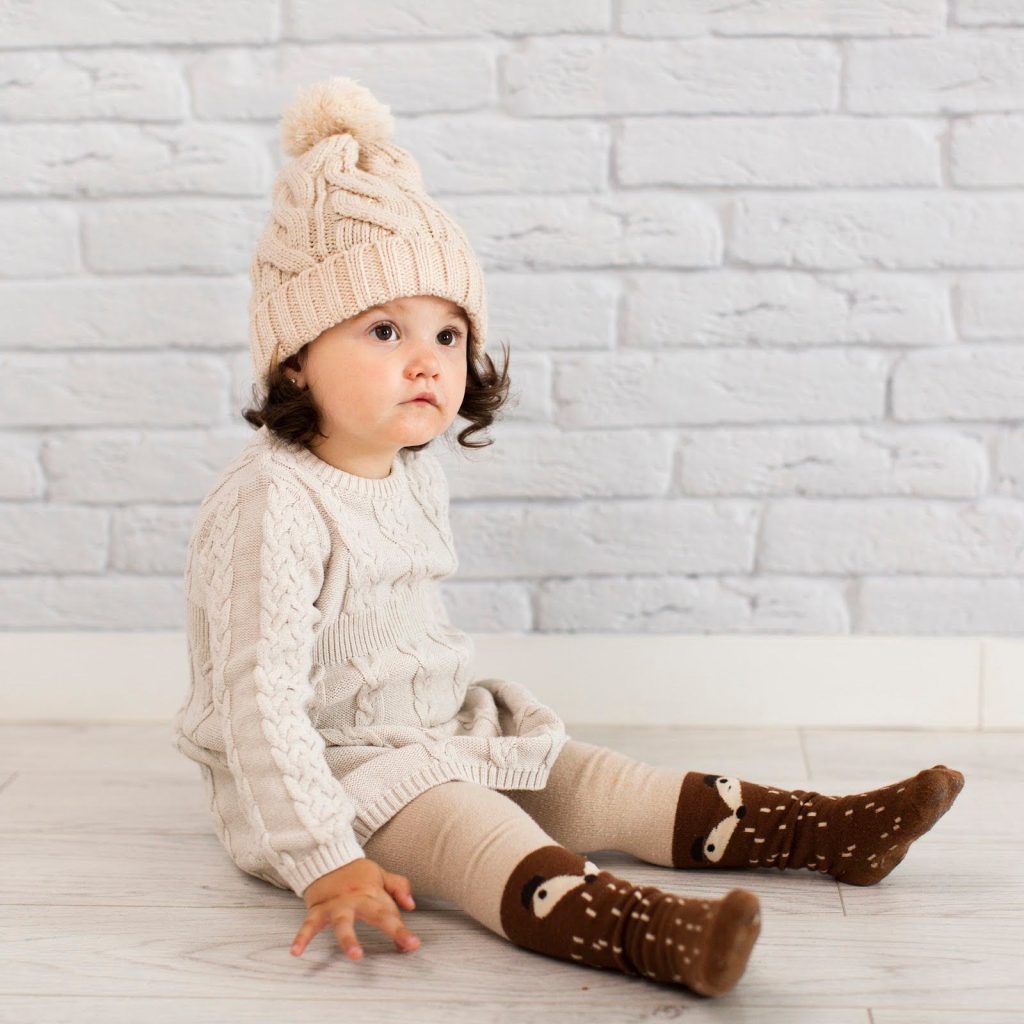
When new parents have to make choices, there are hardly any decisions that are as permanent as the ones related to the choice of clothing. Baby clothes should be comfortable, safe, as well as practical, and they should be easy to handle by the caregivers. In addition to everyday clothes, sleepwear, including bamboo pajamas, is also gaining popularity due to its comfort and environmental friendliness. Learning about the performance of fabrics, the way of clothes production, and the knowledge of the process of their care will help the families to make the right and wise decisions that are beneficial to short time and values in the long-term.
This guide discusses the necessities of baby clothes and bamboo pajamas–about fabrics, safety, seasonal options, and sustainability.
Comfort, Fabric, and Safety Considerations
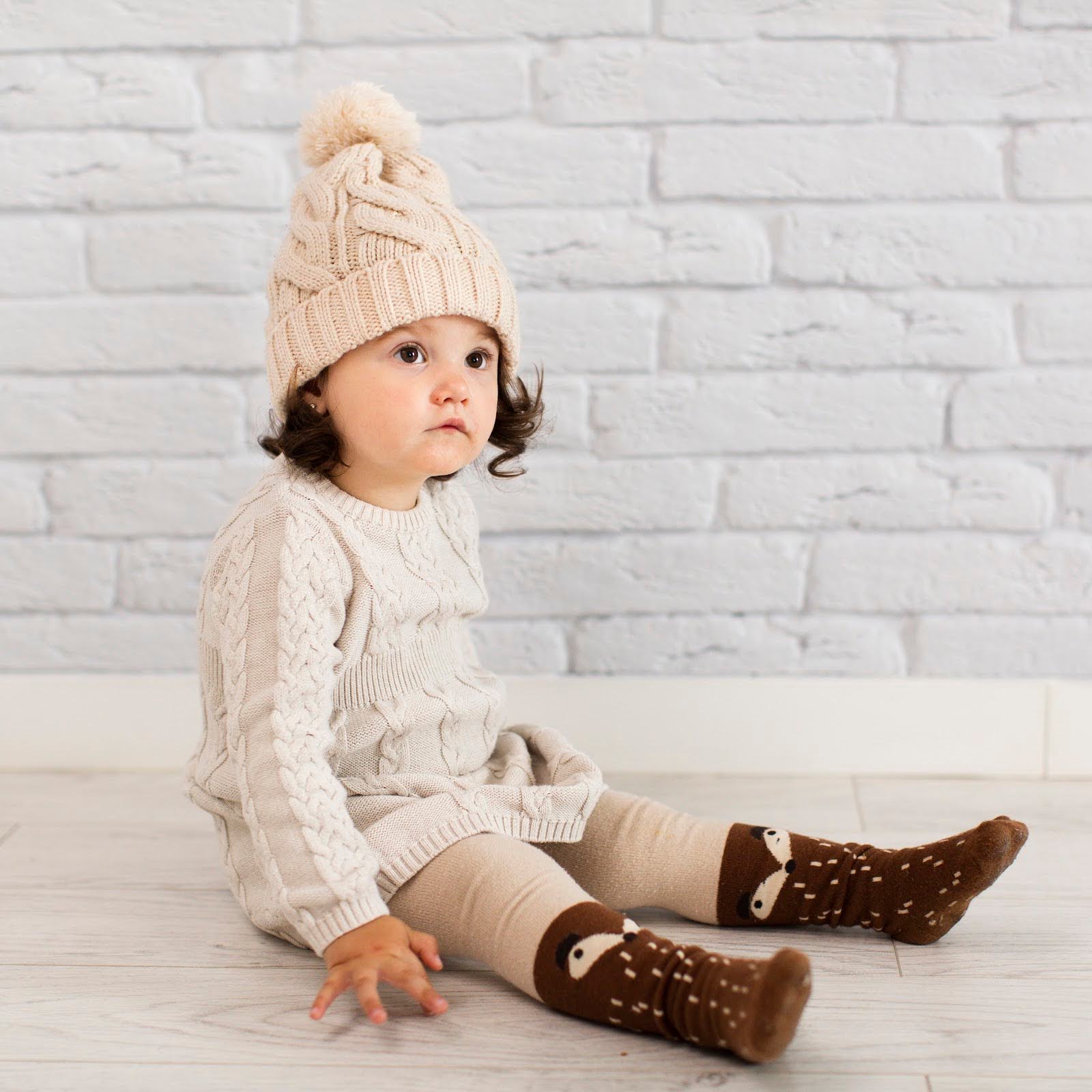
The most significant aspect of the infant clothing is comfort. Infants also end up spending most of their time on their backs or fumbling in awkward positions hence baby clothes should be soft and non-constricting. Cotton has always been the most popular fabric due to its breathability, ease in washing and the fact that it is extremely durable. Nevertheless, more modern fabrics such as bamboo-based fabrics are gaining popularity due to the capacity to regulate temperature and move moisture.
Safety is equally important. The baby clothes are to be free of draw strings, loose decorations or things that may come off and be dangerous in the event of being choked. Flat seams alleviate irritation and the elastic waistbands are to be tight and not so tight as to limit movement. In case of infants who have sensitive skin, one may consider hypoallergenic fabrics. Another example of this is the bamboo pajamas which are naturally soft and usually suggested to the children who are prone to an eczema or rash.
The parents are to be informed of the standards in clothing safety as well. Sleep clothes, such as bamboo pajamas, are usually said to be tight or flame-resistance. The safety regulations force these labels, which assist the parents to know which are safe to wear at night.
Practical Shopping Tips for Parents
Baby clothing shopping is not an easy task due to its fast development and needs that keep on Nipping in Nipping out. The newborns might need several changes of clothes in a day, and the older infants need the clothes that resist crawling and walking. It is frequently better to purchase fewer and high quality things in each size rather than to purchase large numbers.
When browsing, focus on:
Sizing: Check charts are to be sized with care because 3 months can have different sizing results according to the brand.
Closures: Zippers can usually be used to make alterations, whereas snaps can be used to be flexible.
Labeling of fabric: The labeling of the fabric is an element that enables the parents to differentiate the blends and pure fabrics.
Sustainability is also an issue that many families put into consideration during their shopping. Organic cotton or recycled fibers baby clothes are found to be attractive to the environmentally conscious families. Bamboo pajamas have captured the interest in this area due to the fact that bamboo plants are fast growing with less pesticides and water than other crops. Bamboo fabrics could be a sustainable part of a wardrobe when they are made in a responsible way.
Benefits of Bamboo Pajamas for Sleep and Skin
Bamboo pajamas are among the sleeping wear products with a high level of performance. Bamboo fibers are lightweight and at the same time insulating in that they assist babies in keeping their body temperatures steady during night. Bamboo sleepwear does not block airflow or overheat unlike some synthetic ones.
The other advantage is healthy skin. Due to the natural softness of bamboo pajamas, and the fact that most of them are hypoallergenic, they create less friction and cause less irritation. In the case of babies that have eczema or other sensitivities, this may have a visible difference. Moreover, the fabrics of bamboo are usually resistant to bacteria and smell, and this preserves sleep clothes between laundry.
Bamboo pajamas may not be the sole choice of quality sleepwear, but they prove how the selection of materials may directly influence the rest, comfort, and well-being. Parents with a history of nighttime overheating usually report that when they started using garments made of bamboo, the quality of their sleep has increased.
Caring for Baby Clothes and Bamboo Pajamas
The wear of clothes is highly influenced by the manner in which they are maintained. The first use of baby clothes ought to be done after washing to clear the manufacturing residues. Detergents that are mild, fragrance free, diminish the chances of skin irritation and bleach should only be used where there is an absolute need.
Bamboo pajamas should be taken special care. Their fibers are kept in cold water washing and low heat or air drying is not to be used to shrink them. As compared to stronger cotton, bamboo materials may become soft when subjected to intense heat repeatedly. It is also advised to avoid the use of fabric softeners, which can also make both bamboo and cotton clothes less breathable.
Parents can also sort clothes in terms of season or functionality in order to ease laundry. On a daily basis, baby clothes can be sorted out separately as opposed to fine or sleep-related things such as bamboo pajamas. Inspecting the seams regularly, half dead elastics, or broken snaps will mean that only safe clothes will be left on rotation.
Seasonal and Styling Considerations
It is important that infants be dressed properly according to the season so as to be more comfortable as well as healthy. During summer, cotton and bamboo mixtures are light and thus the air can circulate and avoids overheating. Layering is important in winter, that is, thinner cotton onesies under warmer garments are better to keep the body warm without adding lots of bulk. Due to the flexibility, bamboo pajamas can be used during both hot and cold nights, eliminating the necessity of having more than one type of sleepwear.
Convenience is also a consideration as far as styling is concerned. Cold basic items that blend and pairing up will generate a larger range of outfits out of fewer items. Simplified color palettes in baby clothes simplify the dressing process and many baby clothes take good photos during milestones and family occasions. Gifts such as clothes are also still popular, particularly, sets of items that fit a need as well as those that are thoughtful in nature. An example is the bunch of bamboo pajamas that would be a practical and environmentally-friendly present that parents would use at once.
Sustainability in Baby Clothing
Green is an emerging trend in children wear. Baby clothes are manufactured using organic cotton, recycled textile or low impact dyes, which minimize the strain to the environment. Brands that report their supply chain activities or undergo recycling are more transparent and this is appreciated by eco-conscious parents.
Bamboo pajamas also come into this discussion. Although bamboo plants are of high renewability, the fabric production process is different. Recycled systems that utilize closed loop water and solvents are better than more chemical-intensive systems. When buying clothes made of bamboo, parents who care about sustainability can seek OEKO-TEX, GOTS, or FSC certifications.
Besides making new purchases, reusing and recycling of clothing prolongs sustainability. Second hand markets, hand-me-downs and clothing swaps will eliminate wastage and keep baby clothes in use. The selectivity of versatile and durable products also implies that they do not need to replace them very often, which is environmentally and financially beneficial to the family.
Cultural and Historical Perspectives
Infant clothes have come a long way in terms of a cross-cultural and time-span. Simple cloth wraps or gowns are historically worn by many societies, and their focus was on warm and easy access. The current baby clothing system has safety standards, breathable materials and designs that are compatible with quick growth. Sleepwear, including bamboo pajamas, are representative of larger trends towards sustainability and wellness.
There are also the global influences. Some cultures buy or make bright colored baby clothes because they have symbolic meanings whereas the control-neutral baby clothes are common in others due to their functionality. The emergence of environmentally friendly textiles is one of the examples that demonstrate how modern parents merge traditions and modernity, cultural demands, and their new knowledge about health and sustainability.
Conclusion: Making Informed Choices
The baby clothes are not simply the new clothes that people wear every day but they impact the comfort, health and also the easy time of looking after a baby. Parents can create a wardrobe that reflects the needs of the child by concentrating on breathable clothes, safe construction and proper care. A sleepwear option like bamboo pajamas underscores why the choice of fabric can enhance sleep and skin conditions.
Modern decision-making regarding children clothing is influenced by such factors as sustainability, cultural values, and practicality. Be it buying necessities to the baby or thinking of the seasons, with informed decisions made, parents can be able to focus on safety, comfort and being environmentally responsible. Baby clothing and bamboo pajamas are not just clothes with the right strategy, but instruments of promoting healthy, happy childhoods.