When people think of real estate value, their minds often go straight to location, square footage, and neighborhood amenities. While these factors are undeniably important, the impact of style and design is equally significant. A thoughtfully designed home with modern aesthetics feels more comfortable to live in and commands higher attention in the marketplace. Buyers are drawn to properties that look polished and cohesive, proving that visual and functional design elements play a crucial role in long-term value.
The Influence of Style on First Impressions
The first impression of a property often dictates how buyers feel about its worth. From the moment a person steps through the front door, design choices like flooring, color palettes, and hardware details shape their perception. Even subtle elements such as a stylish door handle or a carefully chosen light fixture can leave a lasting impression. These touches suggest that the homeowner has invested care and thought into the property, making it more desirable compared to a house with outdated or generic finishes.
This is why real estate professionals frequently emphasize staging and upgrades. When the style aligns with current design trends, it elevates the home in the eyes of potential buyers. Modern finishes, sleek hardware, and well-coordinated interiors can create an immediate emotional connection, one that ultimately influences purchasing decisions. A living room fireplace with cedar mantels can anchor the space and signal thoughtful craftsmanship. That focal point can make listing photos stand out and help buyers remember the home after the showing.
The Power of Interior Design in Everyday Living
Interior design does far more than look attractive; it creates a lifestyle experience. Open floor plans, natural light, and intentional layouts contribute to a sense of space and comfort. Buyers today prioritize homes that blend functionality with elegance. For example, kitchens designed with both cooking and entertaining in mind or bathrooms styled as mini-retreats add appeal that goes beyond square footage.
Homes with design elements that anticipate modern lifestyles often see stronger demand. Features like home offices, wellness spaces, or multipurpose rooms are not just useful, they add style and value in ways that resonate with today’s buyers. The balance of aesthetics and utility drives satisfaction and strengthens marketability.
Outdoor Style and Curb Appeal
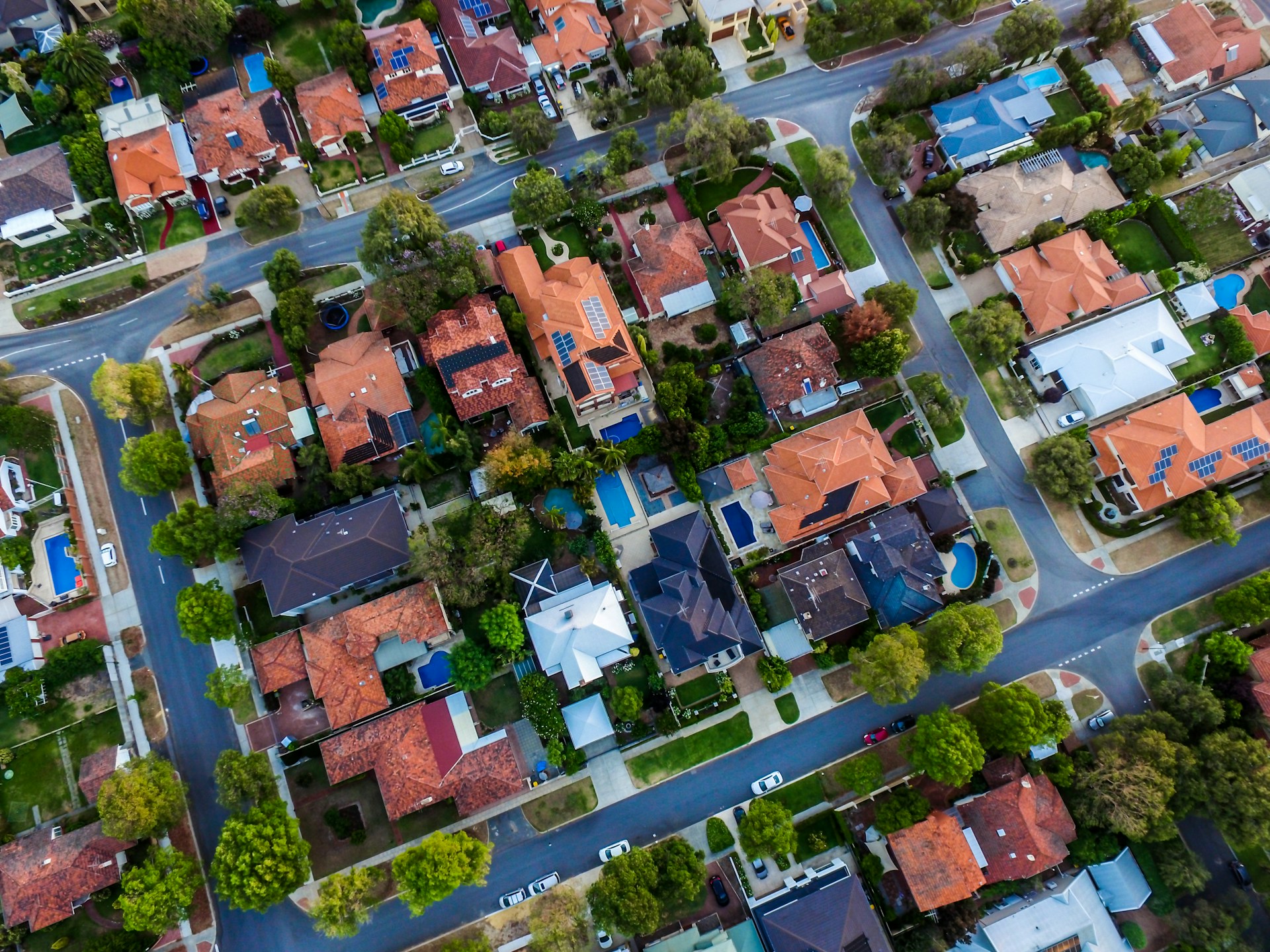
Curb appeal remains a key determinant of property value, as it sets expectations before buyers even step inside. Well-maintained landscaping, upgraded entryways, and architectural details like shutters or trim dramatically improve a home’s exterior presence. Outdoor living areas styled with modern furniture, tasteful lighting, and low-maintenance landscaping extend the home’s usable space while boosting its visual appeal.
Even relatively small enhancements, like painting the front door, updating garage doors, or adding decorative plants, can make a property stand out in competitive markets. These changes show that homeowners prioritize style, which increases buyer confidence in the care and maintenance of the property.
Blending Modern Trends with Timeless Design
Trends influence buyer interest, but timeless design ensures long-term value. Homes that strike a balance between contemporary features and classic elements appeal to a wider audience. Neutral color schemes, quality flooring, and elegant fixtures avoid looking dated while still accommodating personal customization.
Incorporating a versatile design makes the property more resilient to market fluctuations. A neutral, timeless base allows buyers to envision their own style layered into the home, which makes it more universally attractive. Meanwhile, a few carefully chosen modern elements keep the property feeling current without overwhelming it with short-lived trends.
The Role of Sustainability in Style
Sustainability has become a major component of home design, and it adds significant value for modern buyers. Energy-efficient appliances, eco-friendly building materials, and water-saving fixtures lower utility costs and demonstrate a forward-thinking approach to property design. Sustainable features, when paired with stylish finishes, give homes a competitive edge.
Buyers are increasingly conscious of environmental impact, meaning they’re more likely to pay a premium for homes that align with their values. Stylish yet sustainable features, such as bamboo flooring or recycled stone countertops, combine design with function in ways that resonate deeply with today’s market.
Style as a Differentiator in Competitive Markets
In crowded housing markets, style becomes a key differentiator. Two properties may be similar in size and location, but the one with cohesive, modern design will almost always sell faster and at a higher price. Buyers often perceive these homes as “move-in ready,” reducing the time and cost they would otherwise spend on renovations.
Real estate agents frequently highlight stylish upgrades in listings, from updated kitchens to spa-inspired bathrooms. These features help create an emotional pull, allowing buyers to picture themselves living in the home immediately. This increases demand and can spark competitive bidding, further driving up value.
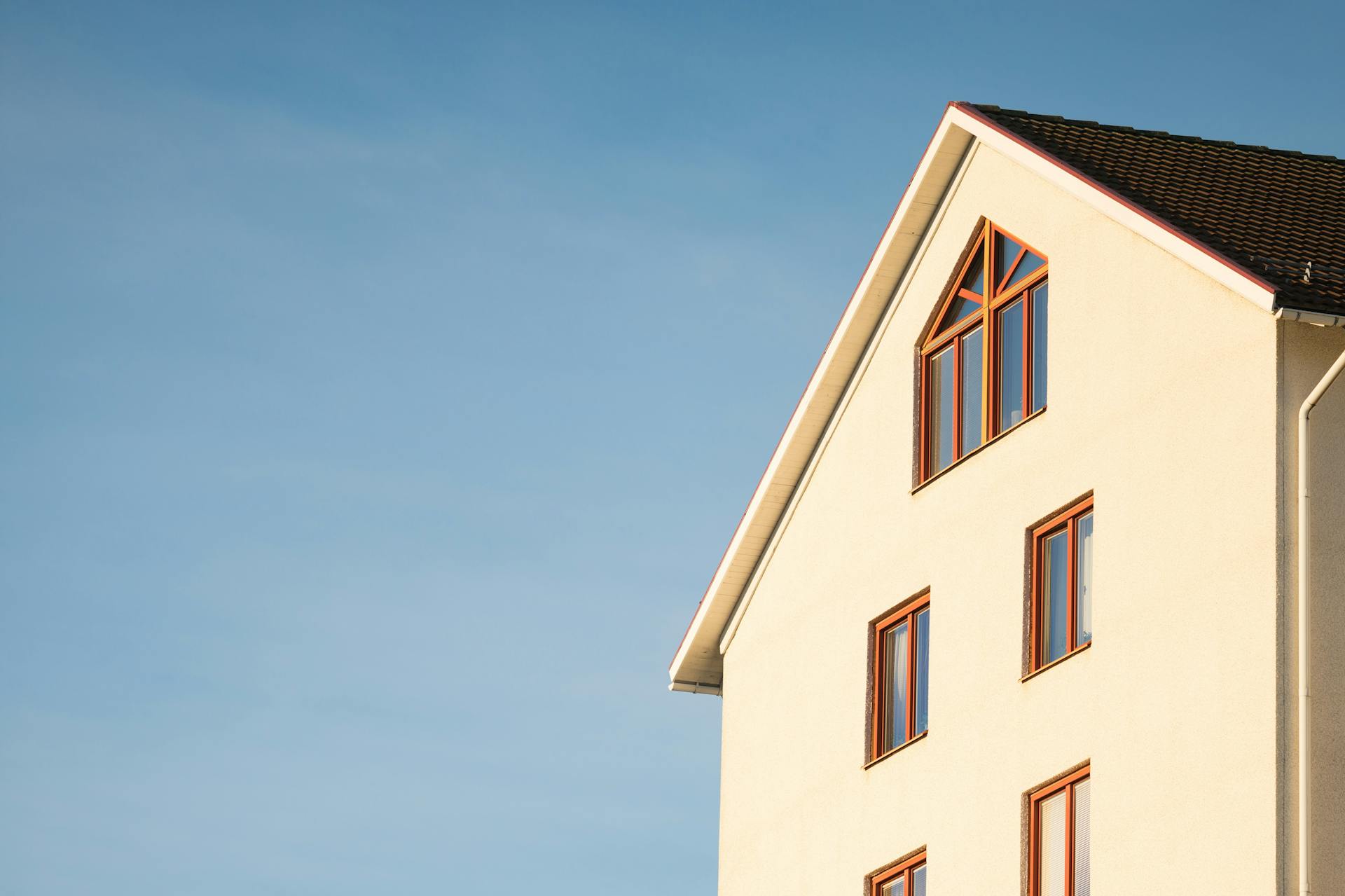
The value of a home is shaped by more than just land and square footage. Style and design play integral roles in creating a property that is both livable and desirable. From the details like door handles to larger elements like curb appeal and interior flow, thoughtful design choices make a lasting impression. Homes that combine modern aesthetics, sustainable features, and timeless touches consistently stand out in the marketplace. For homeowners and investors alike, prioritizing style is not a superficial decision, it’s a strategic move that drives long-term real estate value.