Homeowners often wait too long before addressing roofing issues. The roof plays a major role in protecting the home from moisture, pests, and changing temperatures. A damaged or worn-out roof puts everything underneath it at risk. Early attention to roofing problems helps prevent higher repair costs and bigger structural issues. Investing in a roof replacement brings peace of mind and adds lasting value to any property.

Signs That Your Roof Needs Replacement
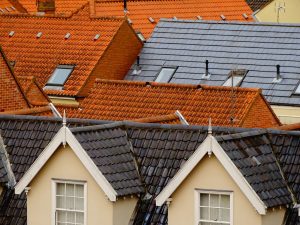
Leaks during storms, missing shingles, or sagging spots signal clear problems. These issues do not always appear together, so homeowners must stay alert. Stains on ceilings or walls usually suggest a leak. Shingles that curl, crack, or lose granules expose your home to further damage. If your roof looks inconsistent or patchy, water can easily slip through unnoticed.
Another sign comes from the age of the roof itself. Most roofs built with asphalt shingles last between 20 to 30 years. If yours is near or past that mark, it likely needs attention. Even without visible damage, the materials may no longer protect the home well.
Why Replacement Beats Patchwork Repairs
Some people choose to repair specific trouble spots instead of replacing the whole roof. While this seems like a budget-friendly move, it often leads to repeated problems. One patch might fix a leak, but new damage could develop nearby due to uneven wear or hidden moisture buildup. These repairs can add up quickly.
A complete replacement makes more sense when the structure beneath the shingles weakens. Contractors can inspect for wood rot, mold, and insulation problems during the process. This deeper insight helps improve long-term performance. Once a new roof goes in, homeowners usually experience fewer maintenance demands.
Experts agree that upgraded roofing improves home efficiency. Many newer materials provide better insulation. As a result, heating and cooling systems run with less strain. This reduces energy bills and helps keep interior spaces comfortable throughout every season.
Long-Term Benefits of a Quality Roof
A fresh roof helps preserve property value. If you plan to sell the home in the future, buyers look for signs of recent upgrades. Roof replacement ranks among the top improvements that attract higher offers. Buyers often walk away from homes with clear roofing damage.
In addition to value, a new roof improves safety. It keeps out pests that find entry through gaps or rotting areas. Mold growth slows when leaks stop. Water-damaged wood no longer threatens the structural support of ceilings or walls. These changes make your home more secure for your family and guests.
Qualified contractors improve attic ventilation during roof replacement. Better airflow helps control indoor moisture and extends the lifespan of insulation and interior finishes. Good ventilation also reduces the risk of ice dams forming during colder months.
Roofing work often includes updated flashing, vents, and gutters. These elements help redirect water and reduce the chances of backup or pooling. When done together with roof replacement, these updates work in harmony to protect the entire home exterior.
Choosing the Right Professionals for the Job
Roofing replacements require skill, safety knowledge, and proper equipment. A trained team completes the work faster, cleaner, and with stronger long-term results.
Homeowners should avoid companies with poor reviews, outdated practices, or unclear pricing. You can find companies with strong reputations in your area, and many specialize in services such as expert roof replacements that combine durability with expert craftsmanship. These professionals use high-grade materials and stay up to date with local building codes. That means your roof passes inspections and stays protected for years. Take time to review several contractors, ask questions, and compare quotes. You should never feel rushed during this decision.
A qualified contractor helps you choose the right materials for your home’s location, style, and budget. The selection process should involve guidance on lifespan, maintenance needs, and appearance. You want a roof that protects your home and fits your vision.
Timing and Weather Considerations
You should plan roof replacements during mild weather. Spring and early summer often give contractors ideal conditions. Cooler temperatures and dry skies help materials seal better and improve working conditions. Schedule early to secure your preferred time and avoid delays.
If a storm damages your roof, do not wait to act. Temporary covers may protect the home for a short time, but a full inspection needs to happen quickly. Insurance claims move faster when handled by contractors experienced with storm-related repairs.
Avoid replacing a roof during freezing temperatures. Shingles may crack or fail to seal properly. Hot summer days cause similar issues with material softness or uneven placement. Skilled roofers monitor the weather closely to deliver the best results.
What to Expect After Installation
After installation, your home will feel more comfortable and secure. Temperatures remain more stable, and noises from outside reduce. With a clean, updated appearance, the home gains new curb appeal. Neighbors often notice the upgrade and admire the fresh look.
Proper maintenance extends the lifespan of your new roof. Schedule regular inspections after major storms. Clear debris from gutters and remove nearby tree limbs that may cause damage. These small actions protect your investment.
Check that warranties include both labor and materials. If anything goes wrong, quick service should follow. Most reputable roofers provide clear documentation and remain available after the job ends.
Replacing a roof takes planning, trust in qualified contractors, and an eye on long-term rewards. It reduces safety concerns, raises home value, and strengthens your daily comfort. Small signs of roof aging should never be ignored. Timely replacement brings relief and fresh protection to your home. When done right, this project provides lasting peace of mind and a more beautiful place to live.