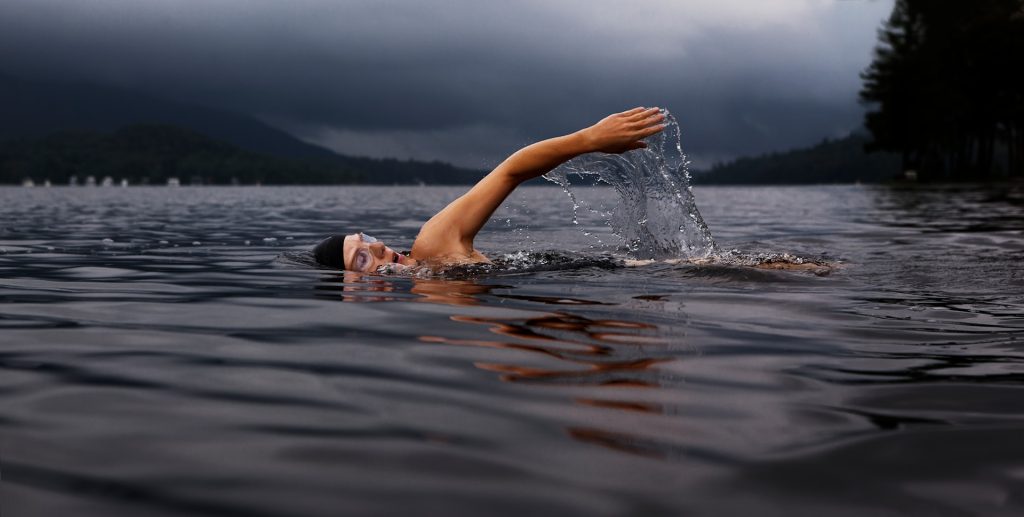
Swimming is more than a recreational activity or a form of exercise. It is a skill that shapes the mind as much as it strengthens the body. The repetitive motions of strokes, the focus on breathing, and the need for precise technique demand attention, patience, and mental toughness. People who excel in swimming often display confidence that extends far beyond the pool, allowing them to perform under pressure in professional, academic, or personal situations. Understanding how swimming contributes to mental resilience, discipline, and self-assurance provides insight into why this sport produces individuals who thrive in demanding environments.
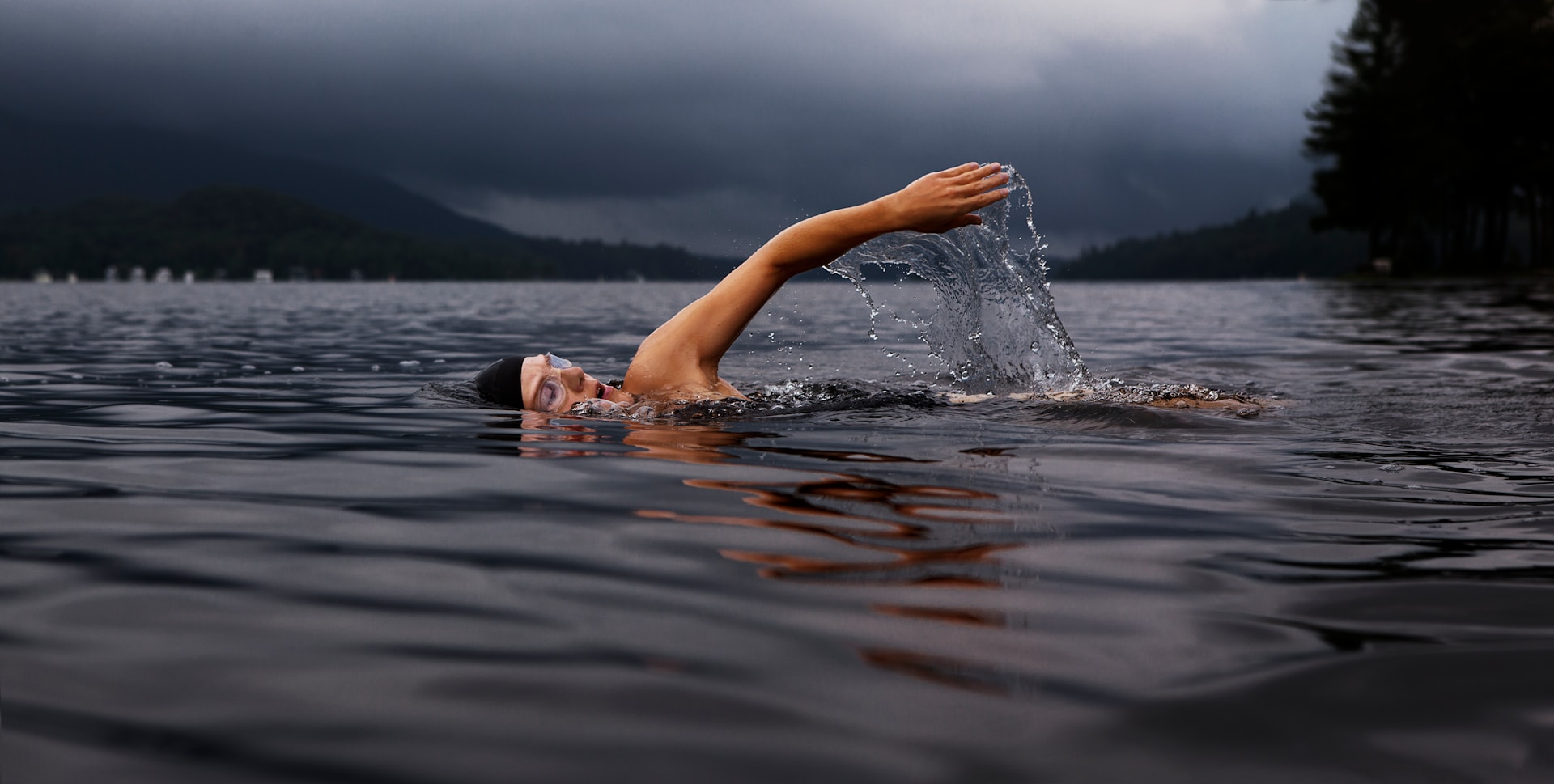
Developing Resilience Through Discipline
Mastering swimming requires commitment, consistent practice, and the ability to push through discomfort. Learners often face moments of frustration when techniques do not immediately yield results or when fatigue sets in during intense training sessions. This is where resilience emerges. Programs such as those offered by the British Swim School provide structured training that emphasizes persistence and goal-setting. As swimmers progress, they internalize lessons in overcoming obstacles and maintaining focus under strain. Each lap completed, each stroke perfected, reinforces the understanding that challenges can be met with determination. The discipline required to stick with a rigorous swimming schedule translates directly to other high-pressure situations, helping individuals remain composed and focused when the stakes are high.
Mental Clarity Under Pressure
Swimming demands concentration. Coordinating breathing, movement, and timing creates a rhythm that requires the swimmer to be present in each moment. This practice enhances mental clarity and trains the brain to filter out distractions. In high-pressure environments, this ability to concentrate can be invaluable. Professionals, students, or athletes can apply the same focus cultivated in swimming to situations where decision-making under stress is crucial. The repetitive and meditative quality of swimming allows individuals to step back from chaotic external stimuli and maintain mental equilibrium.
Strengthening Problem-Solving Skills
Swimming presents a constant series of problems to solve. Adjusting technique, pacing, or breathing patterns requires experimentation and analysis. Each challenge in the water teaches adaptability. Swimmers learn to observe feedback from their bodies and adjust accordingly. This translates to real-world problem-solving, especially when under pressure. When confronted with unexpected challenges, those trained in swimming often approach solutions with methodical thinking and confidence, trusting in their ability to adapt and improve through practice.
Boosting Physical Confidence
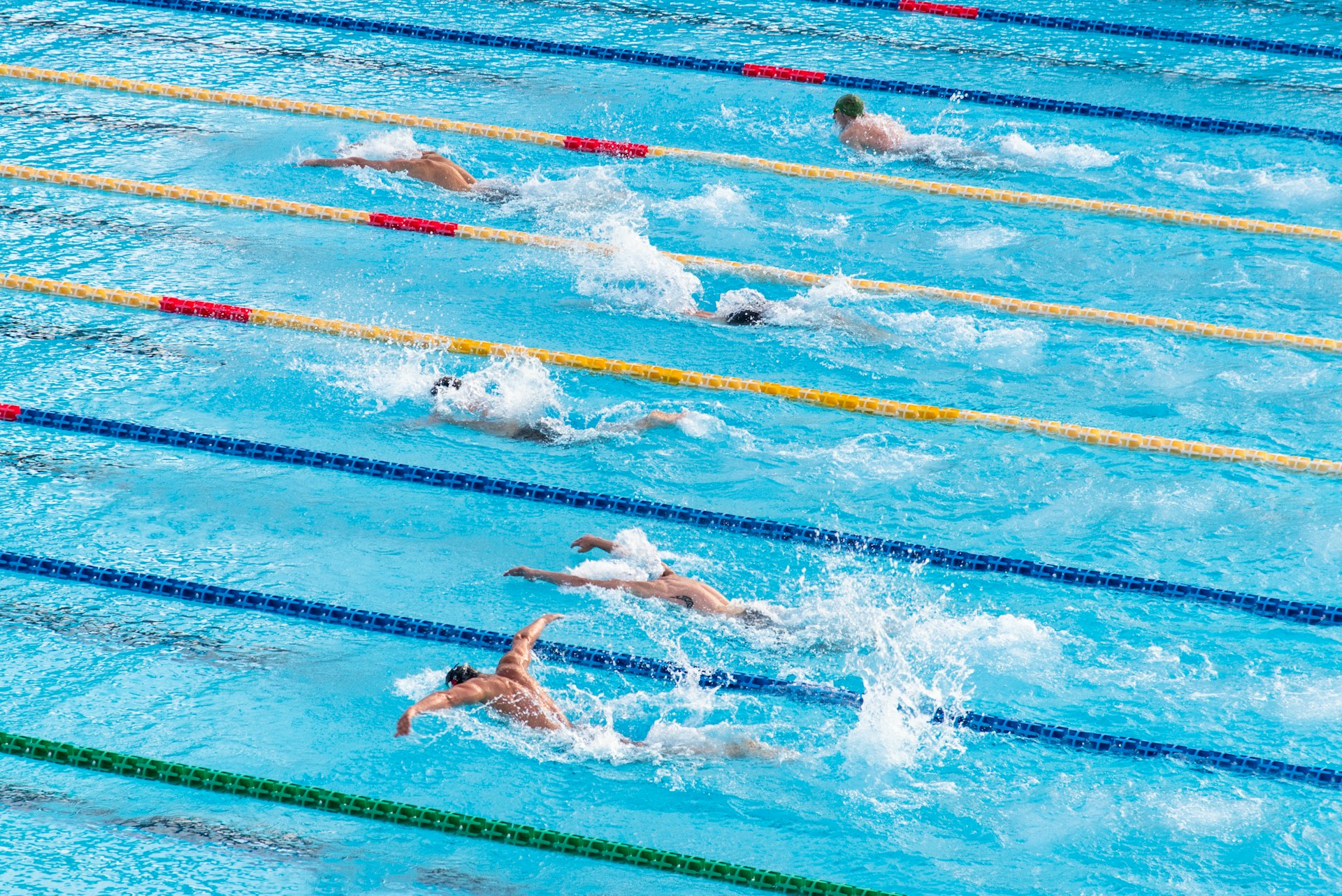
Confidence under pressure is not purely mental; it is also physical. Swimming develops core strength, cardiovascular fitness, and endurance, all of which contribute to a sense of physical capability. When individuals feel strong and capable in their bodies, they project confidence in stressful situations. The knowledge that they can rely on their stamina and coordination helps reduce anxiety and supports decisive action. Physical readiness cultivated through swimming can become a foundation for mental assurance when facing high-pressure scenarios.
Emotional Regulation and Stress Management
Swimming offers a natural outlet for stress, which in turn enhances emotional control. The rhythm of strokes and the soothing immersion in water trigger physiological responses that reduce tension and promote calm. Swimmers learn to regulate their emotions during demanding training sessions, and this skill transfers to high-stakes environments where maintaining composure is critical. Regular engagement in swimming conditions allows individuals to recognize stress triggers and manage reactions, allowing for steadiness in moments of intense pressure.
Building Teamwork and Leadership Skills
Although swimming is often seen as an individual sport, many aspects of training and competition encourage collaboration and leadership. Relay races, group drills, and synchronized practices require swimmers to coordinate their efforts, communicate clearly, and support one another to achieve shared goals. In these situations, swimmers learn the importance of accountability, as their performance can directly impact the team’s success. Taking on leadership roles, such as mentoring younger swimmers or organizing practice strategies, cultivates responsibility, empathy, and the ability to motivate others. These experiences teach individuals to balance personal performance with team dynamics, fostering patience and strategic thinking. The skills developed in these settings translate seamlessly to professional and social environments, where teamwork and leadership are essential for managing high-pressure projects, guiding colleagues, or resolving conflicts effectively. The confidence gained from successfully contributing to and leading a team reinforces an individual’s overall ability to handle demanding situations with composure and assurance.
The mastery of swimming shapes more than physical prowess; it cultivates resilience, focus, adaptability, confidence, emotional regulation, and leadership skills. These qualities equip individuals to perform optimally under pressure, whether in the workplace, academic pursuits, or personal challenges. Swimming teaches that persistence in the face of difficulty, the ability to stay centered under stress, and the confidence that comes from preparation and practice all contribute to thriving in high-pressure environments. Through consistent training and commitment, the lessons learned in the water extend far beyond the pool, offering a framework for success in a wide range of demanding situations.