Dubai, once a modest fishing village on the shores of the Persian Gulf, has transformed into one of the most futuristic and architecturally daring cities in the world. Known for its towering skyscrapers, man-made islands, and record-breaking structures, the city has carved out a reputation as a global epicenter of property innovation and cutting-edge design. Behind this reputation lies a unique blend of ambition, technology, and creative freedom that continues to attract architects, developers, and investors from around the world.
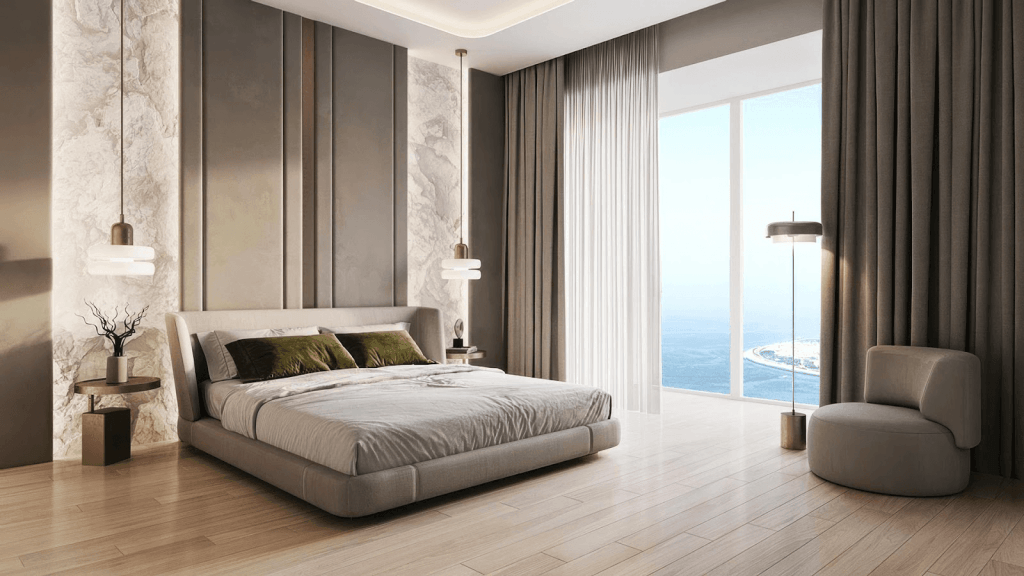
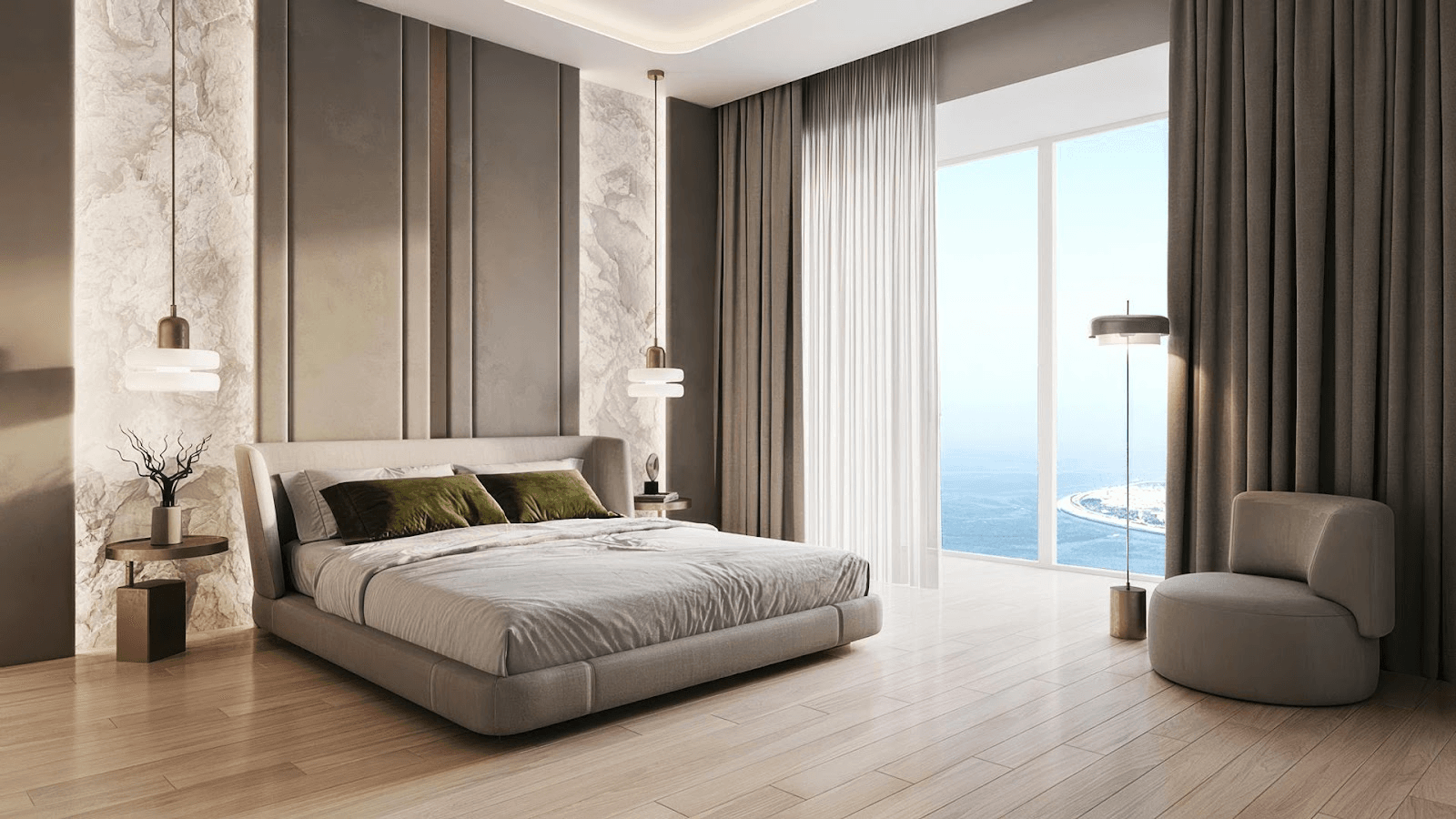
What makes Dubai stand out isn’t just its iconic skyline but the ecosystem that supports its evolution. From regulatory support to emerging tech applications like virtual walkthroughs and photorealistic previews, the city’s real estate scene is shaped by both vision and precision. One of the driving forces behind this wave of innovation is the increasing use of advanced visualization tools. Companies offering 3D rendering services Dubai have played a crucial role in elevating how designs are communicated, sold, and refined, making design an immersive and dynamic process.
The Blend of Vision and Investment
Dubai’s rise in architectural and design prowess can largely be attributed to its long-term vision and generous investment in infrastructure. Government initiatives like Dubai Plan 2040 have focused on urban development, livability, and environmental sustainability – factors that strongly influence design philosophy. This has encouraged architects and planners to adopt innovative approaches to space utilization, energy efficiency, and community integration.
High-end developments, smart cities, and green buildings are no longer just trends; they are fast becoming the standard in the UAE. This forward-thinking environment makes Dubai a testing ground for new ideas in architecture and design.
Embracing Smart Technologies in Architecture
From AI-assisted building models to IoT-enabled infrastructure, Dubai has embraced smart technology in property development. These digital tools not only enhance construction efficiency but also elevate the user experience. For instance, smart homes in Dubai are equipped with systems that allow residents to control lighting, climate, and security through a single interface. In commercial developments, digital twins and Building Information Modeling (BIM) help streamline facility management and improve sustainability.
By integrating such technologies, Dubai continues to set benchmarks that other cities look to replicate. Smart innovation here isn’t confined to new builds either—many renovation projects are also retrofitted with tech that extends building lifespan and improves operational performance.
Architectural Freedom: A Playground for Designers
Unlike many global cities where zoning laws and space limitations impose strict boundaries, Dubai offers unparalleled architectural freedom. Developers and designers are encouraged to push the boundaries of creativity. This has led to the emergence of one-of-a-kind buildings like the twisted Cayan Tower, the sail-shaped Burj Al Arab, and the organically inspired Museum of the Future.
This liberal design environment fosters experimentation with forms, materials, and construction techniques. Whether it’s parametric design, biophilic architecture, or sustainable modular housing, Dubai serves as a real-world canvas where visionary concepts are brought to life.
Sustainability at the Forefront
While luxury and grandeur are often synonymous with Dubai, sustainability has become an integral part of its design narrative. Developers are increasingly incorporating renewable energy sources, sustainable building materials, and efficient water and waste management systems into their projects. The city’s goal of achieving net-zero carbon emissions by 2050 has further accelerated the adoption of eco-friendly construction practices.
Innovative designs in Dubai often balance aesthetics with functionality. Green rooftops, shaded facades, and solar integration are just some of the features now commonly seen in both commercial and residential developments.
Virtual Design and Visualization as Standard Practice
One of the most significant changes in the property landscape is how technology has transformed the design and sales process. Gone are the days of static blueprints and simple 2D models. Today, high-end 3D visualizations, interactive floor plans, and virtual reality walkthroughs are standard in Dubai’s property market.
These tools not only aid architects and interior designers in conceptualization but also help clients visualize the final product before a single brick is laid. This has improved investor confidence, reduced errors in construction, and expedited decision-making. It’s no surprise that architectural visualization companies are in high demand across the region.
Cultural Fusion and Global Appeal
Dubai’s diverse population and international clientele also influence its architectural identity. Residential and commercial spaces often reflect a fusion of styles, combining elements from Middle Eastern, European, and Asian design traditions. This multicultural influence encourages innovation while respecting traditional aesthetics.
As a result, properties in Dubai appeal to a broad spectrum of tastes and preferences, attracting both investors and residents from around the globe. The city’s position as a global business hub further fuels demand for unique, high-quality spaces that stand out both visually and functionally.
The Rise of Mixed-Use Developments
In line with urban living trends, mixed-use developments have become increasingly popular in Dubai. These projects seamlessly combine residential, commercial, and recreational spaces into cohesive environments, fostering a sense of community and encouraging walkability.
Designers and developers are focusing on lifestyle integration, creating spaces that support living, working, and leisure all within a short radius. These self-contained ecosystems demand thoughtful design and efficient spatial planning, pushing innovation in architecture to new heights.
Educational and Institutional Support
Dubai’s commitment to innovation extends into education and research. Institutions such as the American University in Dubai and Heriot-Watt University Dubai offer specialized programs in architecture, design, and engineering. The city also hosts international conferences, exhibitions, and forums that foster knowledge exchange and networking.
This continuous learning culture ensures that the property sector remains vibrant, current, and ready to adopt global best practices. It also creates a pipeline of skilled professionals who contribute fresh ideas and technical expertise to the market.
Conclusion: Dubai as a Living Showcase of Innovation
Dubai has positioned itself not just as a global city but as a living showcase of what the future of property development and architectural design can look like. Its fusion of technology, creativity, sustainability, and investment makes it a breeding ground for groundbreaking ideas and game-changing developments.
With the support of advanced digital tools and visualization technology, developers in Dubai can present compelling, lifelike designs that resonate with global investors and buyers. Leading the charge in this digital transformation are companies like VisEngine, whose services help bring ambitious architectural visions to life.
As cities around the world navigate the challenges of urban growth, Dubai serves as both a model and an inspiration for what’s possible when innovation meets opportunity.