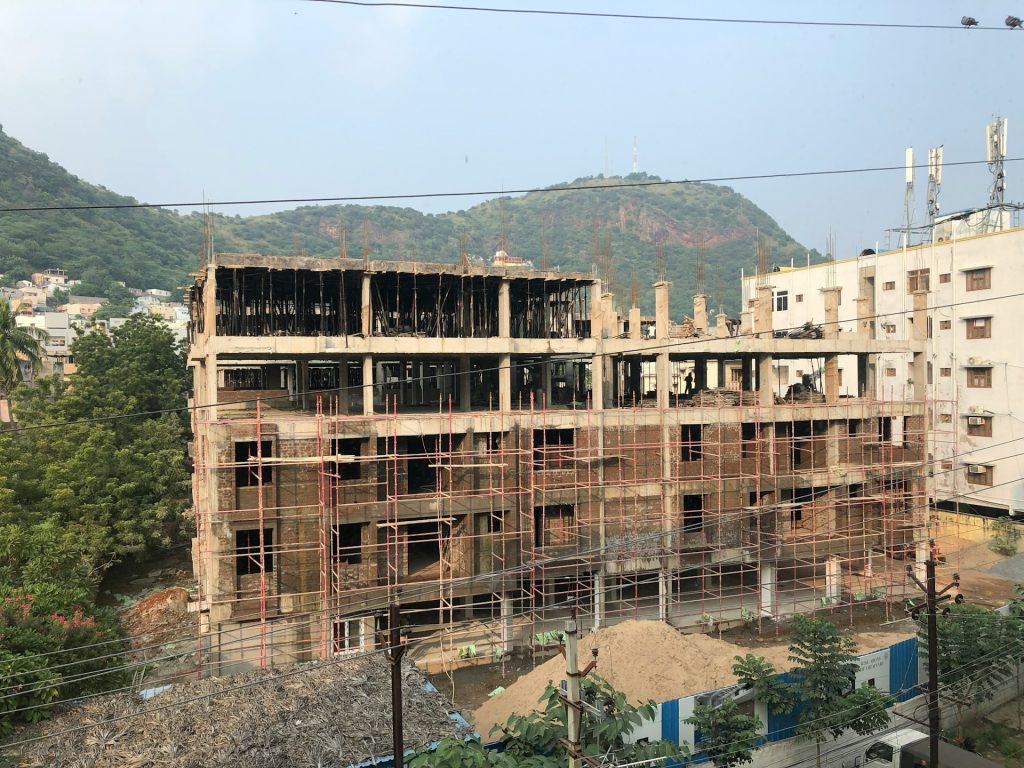
Securing a commercial building site involves more than locking doors and posting signs. Construction zones are inherently risky, with heavy machinery, tools, and materials creating opportunities for theft, accidents, and liability issues. Effective site security protects workers, safeguards equipment, and preserves project timelines. By implementing a combination of physical barriers, surveillance, and best practices for handling materials, construction managers can maintain control and reduce risks significantly.

Perimeter Control and Access Management
The perimeter of a construction site sets the first line of defense. Fencing should be robust, high enough to deter intruders, and designed to prevent easy tampering. Access points need careful planning, with controlled entry for workers, contractors, and deliveries. Using electronic keycards or coded locks allows managers to monitor who enters and exits, while temporary checkpoints can provide added security during high-traffic periods. Within this framework, scaffolding presents both a functional and a security challenge. Selecting the right scaffold clip for assembly can make a difference in safety and durability. Certain products offer weather protection with the Deslauriers clip, allowing scaffolds to maintain structural integrity even in adverse conditions. Integrating these clips into scaffolding setups reduces the risk of damage and adds a layer of stability to the work environment.
Surveillance Systems and Monitoring
Cameras positioned strategically around the site provide constant visual monitoring. Digital recording allows managers to review incidents, track activities, and deter unauthorized behavior. Motion sensors, combined with alert systems, can notify security personnel of unusual movements during off-hours. Surveillance does not replace human oversight but complements it by covering areas that are difficult to patrol frequently. Modern systems also include night vision and infrared capabilities, ensuring that the site remains visible under low light or obscured conditions.
Lighting and Visibility
Proper lighting is one of the simplest yet most effective measures for maintaining site security. Well-lit areas discourage trespassers, reduce the risk of accidents, and help staff work more efficiently during early mornings or late evenings. Motion-activated lights can save energy while alerting personnel to movement in areas that would otherwise remain unmonitored. Temporary lighting solutions can be positioned near entrances, scaffolding, storage zones, and perimeters to illuminate potential weak points and make suspicious activity more noticeable. High-intensity floodlights can cover large open spaces, while strategically placed spotlights ensure that corners and alleyways do not remain in darkness. Regularly checking and adjusting lighting positions as construction progresses ensures that coverage remains effective as the site layout changes. By eliminating shadowed areas and maintaining consistent visibility, construction managers create an environment that is safer for workers and less inviting for unauthorized individuals.
Material Storage and Inventory Management
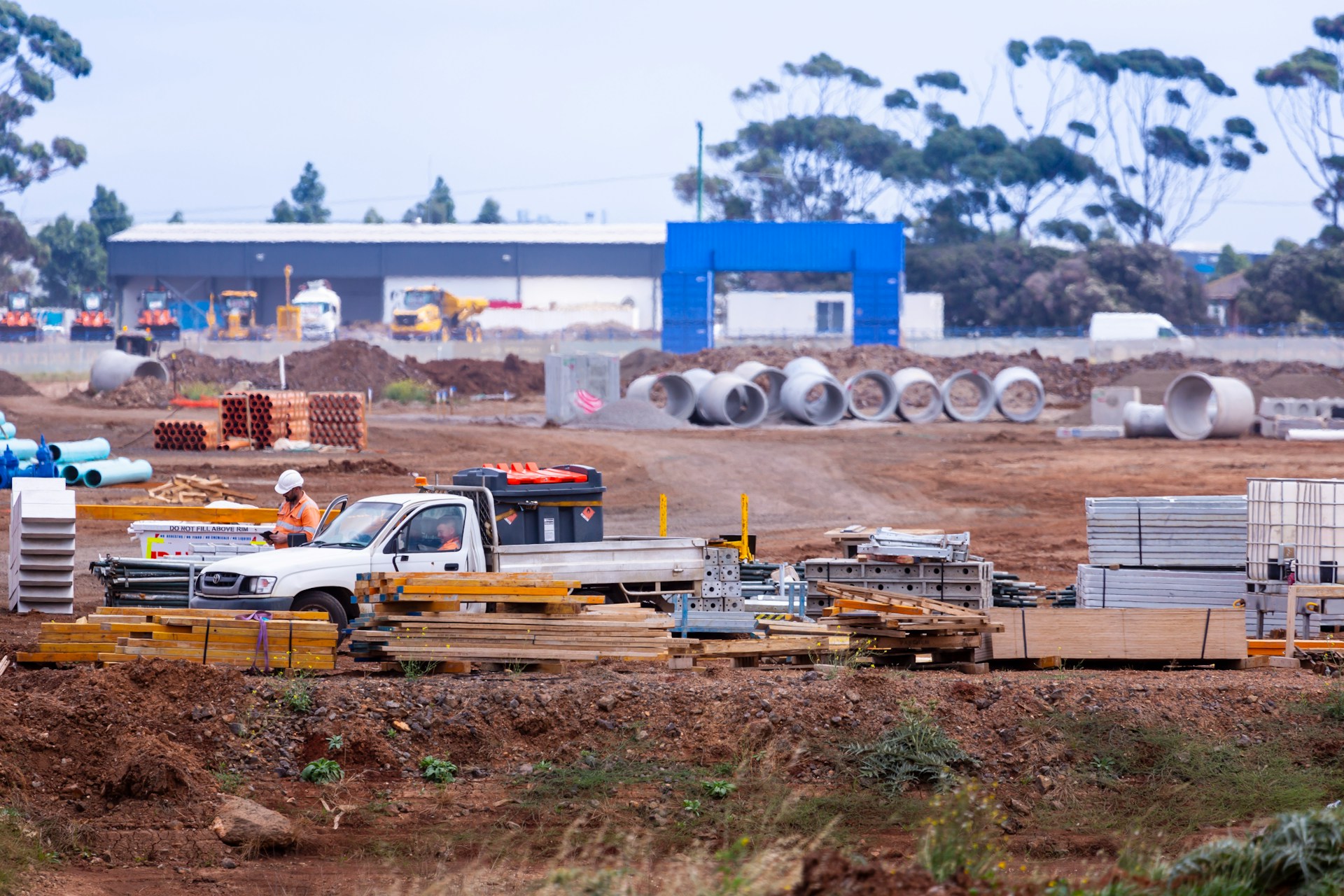
Materials left unsecured attract theft and can create hazardous conditions if not handled correctly. Secured storage units, lockable containers, and fenced-off supply areas reduce exposure to unauthorized access. Tracking inventory with digital logs ensures that missing items are noticed quickly, allowing for rapid response. Heavy machinery and high-value tools should be stored in reinforced areas with limited access, and small, valuable items can be chained or bolted to stationary structures. Organizing the site to keep frequently used materials close to work zones minimizes unnecessary movement and potential loss.
Worker Safety and Training
Worker behavior has a significant impact on site security, making proper training indispensable. All personnel should receive comprehensive instruction on hazard recognition, equipment handling, and emergency procedures before entering the construction zone. Regular briefings and refresher sessions help reinforce safe practices, while clear communication channels allow workers to report suspicious activity or unsafe conditions quickly. Safety training should extend to scaffolding use, ensuring that every worker understands correct assembly, inspection routines, and load limits to prevent both injuries and structural weaknesses. Creating a culture where vigilance and accountability are expected encourages employees and subcontractors to actively participate in maintaining security. This culture also includes understanding the proper use of personal protective equipment, recognizing potential theft or vandalism risks, and following protocols that protect both people and materials on site. When workers are knowledgeable and engaged, incidents decrease, and the overall security and efficiency of the site improve.
Emergency Planning and Risk Response
No matter how robust security measures are, unforeseen events such as natural disasters, fires, or intrusions can occur. A clear emergency plan outlines evacuation routes, assembly points, and communication channels. Coordination with local law enforcement, fire departments, and medical services ensures rapid intervention when needed. Risk assessments conducted periodically identify security weaknesses, allowing managers to adjust procedures or reinforce particular areas. Drills and scenario planning build confidence and prepare staff to act decisively under pressure.
Securing a commercial building site requires a combination of thoughtful design, technology, and trained personnel. Each element, from fencing and lighting to surveillance and scaffolding practices, contributes to a safer, more controlled environment. By prioritizing site security at every stage, managers can protect resources, maintain project continuity, and reduce the likelihood of accidents or theft. The result is a construction site that operates efficiently while minimizing risk to workers, equipment, and surrounding properties.