Grasping how the human body functions is one of the most rewarding endeavors in science, health, and fitness. Whether you’re a student, personal trainer, or health enthusiast, developing a comprehensive understanding of anatomy can enhance your ability to make informed decisions about movement, recovery, and well-being.
Rather than memorizing isolated facts, a structured approach to learning anatomy helps make the process meaningful and applicable. With a reliable strategy and consistent effort, you can master the basics and appreciate the complex design of the body.

Start With the Structural Systems
The body is divided into several interrelated systems. Begin your study with the skeletal system, which forms the framework that supports soft tissues and protects organs. Learn about the major bones, such as the femur, spine, and skull, and how they connect at joints.
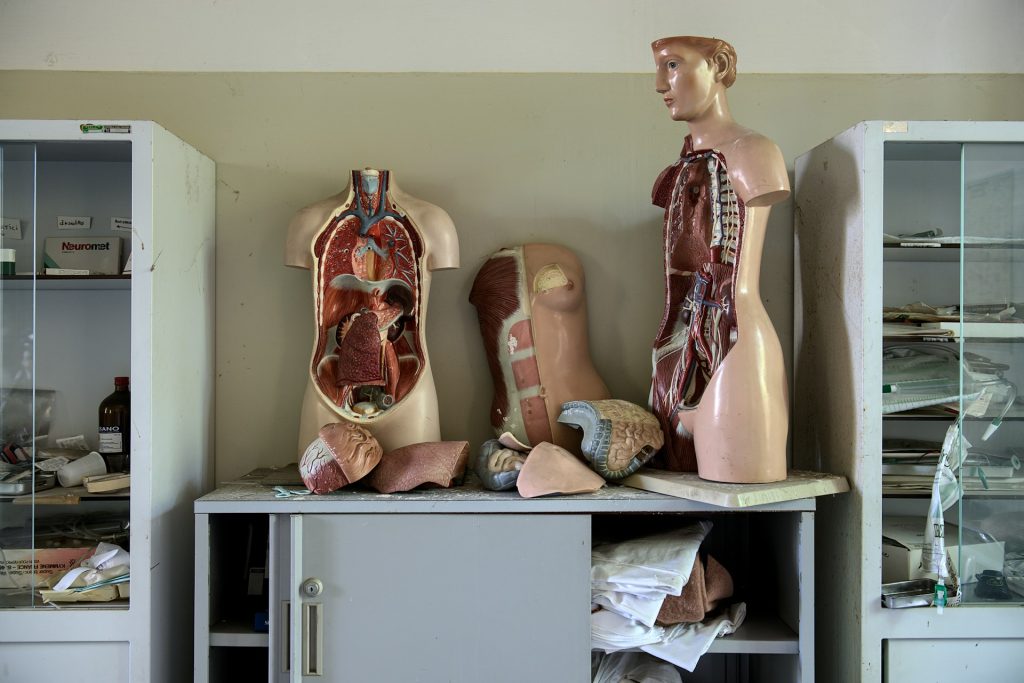
Next, move to the muscular system. Focus on major muscle groups like the quadriceps, deltoids, and abdominals. Understand how these muscles enable movement and how they respond to exercise and stress. Use visual aids or 3D anatomical models to build spatial awareness of how bones and muscles interact.
The cardiovascular, respiratory, and nervous systems come next. These systems work continuously to keep the body functioning and adapting to its environment. Once you grasp their roles, the connection between movement and internal regulation becomes clearer.
Learn Directional Terminology and Planes
Before exploring more advanced anatomy, become comfortable with directional terms. Words like anterior, posterior, medial, lateral, proximal, and distal provide precise ways to describe locations and relationships between body parts.
You should also understand anatomical planes: sagittal, frontal, and transverse. These planes help in visualizing movements and muscle actions. For instance, the sagittal plane is involved in forward or backward movements, like lunges or crunches, while the transverse plane covers rotational movements.
Knowing this terminology enhances communication with peers or clients in fitness, healthcare, or education. It also provides clarity when reading academic resources, charts, or scientific illustrations.
Focus on Functional Anatomy
Functional anatomy connects structure to movement. Rather than studying muscles in isolation, this approach emphasizes how muscles work together during specific actions.
Take the act of walking as an example. You can examine how the glutes, hamstrings, and calves coordinate with the hip and knee joints. This reveals how the body efficiently moves through different phases of gait. Similarly, exploring how muscles stabilize the spine during lifting or running brings a deeper understanding of performance and injury prevention. Professionals turn to trusted learning hubs like the Brookbush Institute and similar ones that offer interactive resources and applied science principles that connect muscle function to real-life movement scenarios. Their platform is known for simplifying complex concepts without reducing scientific accuracy.
Use Visualization and Repetition
Repetition is key to reinforcing anatomical knowledge. Flashcards, labeling exercises, and quizzes can help you memorize muscle origins, insertions, and functions. But to take your understanding further, incorporate visualization techniques.
Try drawing diagrams or tracing anatomical charts. Use apps or online tools with rotating models to view organs and tissues from different angles. Watch videos that demonstrate muscle action during everyday activities or sports performance.
Visual learning helps you retain information more effectively and understand the interdependence of structures in the human body. By combining visual tools with regular review, your progress becomes noticeable and lasting.
Apply Your Knowledge in Practical Settings
Reading and memorizing content is only part of the journey. Application is what solidifies your learning. If you work in fitness, practice identifying muscle groups during exercises like squats or pushups. If you’re in physical therapy or massage therapy, use palpation to locate key anatomical landmarks.
Engage in case studies, attend workshops, or observe assessments to see how anatomical knowledge is applied in real-world situations. Practice explaining concepts to others in simple terms. This not only confirms your own understanding but also helps make learning interactive and engaging.
The more you apply your knowledge, the more confident and capable you become when addressing questions or problems related to the human body.
Study With a Schedule and Track Your Progress
Treat your anatomy study like any structured learning goal. Set time aside each week to focus on a specific region or system of the body. Break larger topics into smaller, manageable chunks to avoid overwhelm.
Maintain a study journal to track your progress and reflect on what you’ve learned. Highlight concepts that are still unclear and revisit them with new resources or teaching methods.
Using a variety of formats like textbooks, online videos, and hands-on models keeps your learning dynamic. Setting achievable milestones and rewarding yourself for each goal keeps motivation high.
Stay Curious and Keep Exploring
Anatomy is a deep field with layers of complexity. Once you master the basics, topics like biomechanics, pathophysiology, and neuroanatomy become accessible and fascinating.
Stay curious about how different body systems affect movement, recovery, and long-term health. Ask questions such as how posture impacts muscular tension or how hydration affects joint function. Use curiosity as fuel to explore beyond what’s required.
Joining online communities or professional networks can expose you to current developments and allow you to share insights with others on a similar path.

Mastering human anatomy takes time, but it is a skill that pays dividends in nearly every health-related profession. From understanding movement and injury to improving strength and flexibility, anatomical knowledge empowers better decision-making. When paired with reliable resources, consistent practice, and a passion for discovery, learning about the human body becomes an enjoyable and lifelong pursuit.