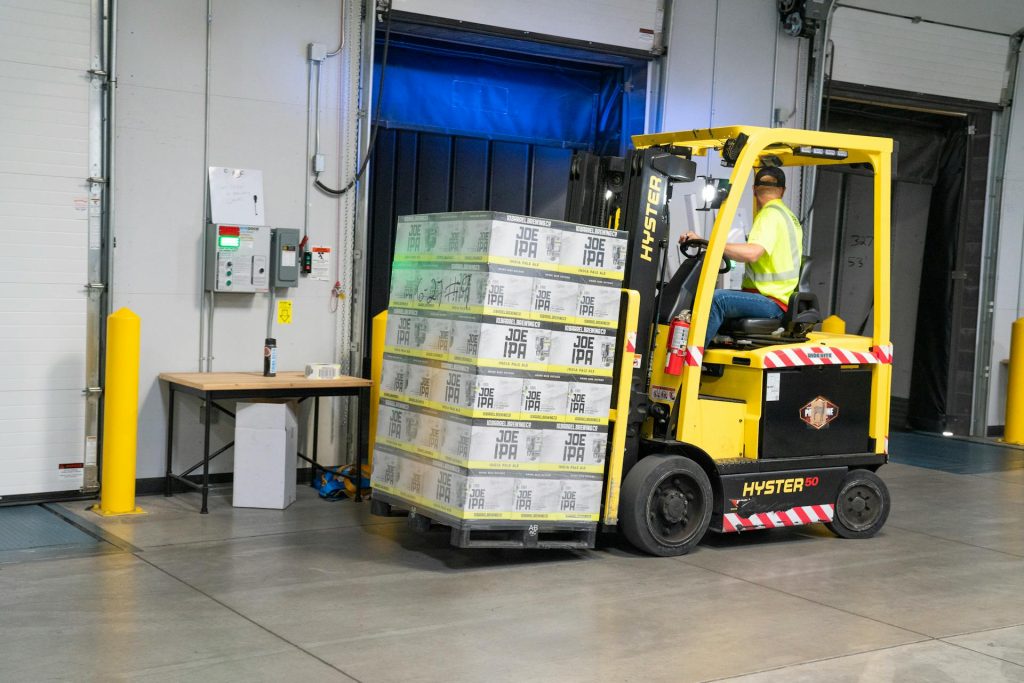
Modern operations rely heavily on machines to keep materials moving. These machines do more than just lift and transport, but they help teams work faster, reduce manual handling, and avoid unnecessary delays. But none of this matters if the machines break down often or require constant attention. Choosing the right mechanical tools is one part of the process. Knowing how to maintain them with dependable parts is just as important.
Here’s how you can maintain equipment and streamline warehouse operations:

The Role of Equipment in Daily Material Movement
Material-handling machines shape how fast and how smoothly goods get from one point to another. Whether you’re managing pallet racking, lifting containers, or moving materials from the dock to the delivery zone, the right machine can reduce strain on workers and speed up movement.
Forklifts, reach stackers, and lift trucks do more than support tasks. They carry out most of the heavy movement in the loading and unloading process. When matched properly to the workload and maintained well, they cut down idle time, reduce injuries, and limit wear on physical labor.
Forklift Reliability Depends on the Quality of Parts You Use
Forklifts run all day. They shift loads, clear aisles, restock shelves, and make every part of the process smoother. But over time, key systems like brakes, lift cylinders, electric controls, and hydraulic pumps wear down. When that happens, you’re forced to stop operations, often during your busiest hours.
This is where the right replacement parts make a difference. Many local suppliers offer components designed for consistent compatibility with original equipment for brands such as Kalmar. Their catalog can include filters, bearings, motors, switches, seals, and more. Each part is built to match specific branded forklift models, which reduces the guesswork involved in repairs.
Using Kalmar aftermarket parts allows operators to extend machine life and minimize downtime. These parts meet the demands of tough environments where daily usage is high and pressure is constant. They also come from a provider that understands the importance of fast delivery and accurate fit. Two things that help avoid long pauses in production. Instead of waiting for OEM shipments, managers can get exactly what they need, when they need it, without sacrificing reliability.
Preventive Maintenance Keeps the Workday Moving
Waiting for a breakdown before taking action is a risk many teams can’t afford. Preventive maintenance solves that. Simple checks, like examining tires for wear, replacing worn-out hoses, or topping off hydraulic fluid, can make a huge difference in daily workflow.
Planning maintenance ahead of time also allows you to replace smaller parts before they affect larger systems. A loose bolt or faulty sensor might seem small, but if ignored, it can lead to bigger problems. When you stick to a maintenance routine, you limit delays, protect your machines, and help your team stay on schedule.
Adjusting Machines to Fit the Work Area
Not every layout works with every type of machinery. Some aisles are narrow. Others have low clearance or uneven ground. That’s why modifying your machines or selecting parts based on layout needs is important.
Selecting quality compressor valve parts that are perfect for tight spaces or low-clearance areas helps ensure equipment runs smoothly without constant adjustments. Properly matched components can also reduce wear caused by vibration or misalignment, supporting more consistent operation over time.
Options like tighter turning axles, low-profile tires, shorter forks, or updated hydraulic controls help tailor your machine to the environment. Instead of redesigning your layout, you can often make small part swaps to support safe navigation and better handling. This keeps staff productive and machines running longer without repeated damage from tight corners or poor alignment.
Smart Monitoring Reduces Guesswork in Repairs
Modern machinery often includes digital monitoring systems. These don’t just tell you when something is wrong—they give detailed stats on run time, error codes, pressure levels, and motor usage. That kind of information helps managers make smarter decisions.
Instead of waiting for signs of trouble, they can use that data to plan services and replace specific components before they fail. When paired with quality parts, smart monitoring tools give crews more control over how their machines perform. They also lower the chances of last-minute emergencies.
Training Makes a Bigger Difference Than You Think
Even the best parts and machines can’t perform well if they’re not used correctly. Operator training plays a huge role in daily output. When staff know how to spot early warning signs, like strange noises, uneven lifts, or control lag, they can report problems before they get worse.
Trained workers also handle machines with care. They know how much weight to lift, how to position loads, and how to drive in tight areas without scraping racks or hitting corners. This helps avoid costly accidents and reduces stress on the machine itself. With better training, repairs become less frequent and machine life improves over time.
Linking Machines with Order Management Tools
Efficiency improves when machines talk to systems. Forklifts and stackers that connect with inventory tracking tools give you a real-time view of order progress. These systems show what’s been picked, what’s pending, and where each item is headed.
For example, some electric lift trucks now pair with scanners and software to confirm load completion. This reduces the chance of human error and helps managers adjust staffing or resources during high-traffic shifts. When machines sync with data tools, movement becomes more structured and less prone to delays.
Keeping Replacement Parts On-Site Saves Time
Delays often happen because a critical part isn’t available. Stocking a few high-use components on-site, such as filters, brake pads, hoses, and sensors, can help you avoid waiting days for a shipment. This is especially useful when machines run around the clock and downtime means lost output.
Having spare parts ready also speeds up scheduled service. Teams can complete repairs in one shift instead of waiting for deliveries. It’s a practical approach that many crews now build into their service planning.
Smarter machine use starts with the basics: quality parts, trained operators, and a clear maintenance plan. But to truly keep operations smooth, you also need fast part access, equipment tailored to your environment, and tools that track performance in real-time.
Using solutions like aftermarket parts can play a major role in keeping machines working under pressure. When machines stay active, so does your entire process. With the right components and a reliable support plan, your team stays productive, and your operations stay consistent, day in and day out.