With the era of modern jobs on the rise, it’s more often that we see people working from home with only a functioning internet connection. Of course, that doesn’t mean the job is not demanding but the ability to work straight out of your PJs is a luxury many dream about.
Some careers demand far more than just skill and dedication. And much more than commuting to the office daily. They require workers to put their health and safety on the line every single day.
While all jobs carry some degree of stress, certain professions consistently rank among the most dangerous or physically taxing.
These roles often involve unpredictable environments, long hours, and risks that can shorten life expectancy or lead to chronic health problems. Understanding which careers take the heaviest toll on workers not only highlights the sacrifices these professionals make but also sheds light on why safety regulations, proper training, and community awareness are essential.
We’ve compiled a list of some of the most demanding careers, so if your job is on the list, you are officially entitled to feeling stressed about going to work.

Construction workers
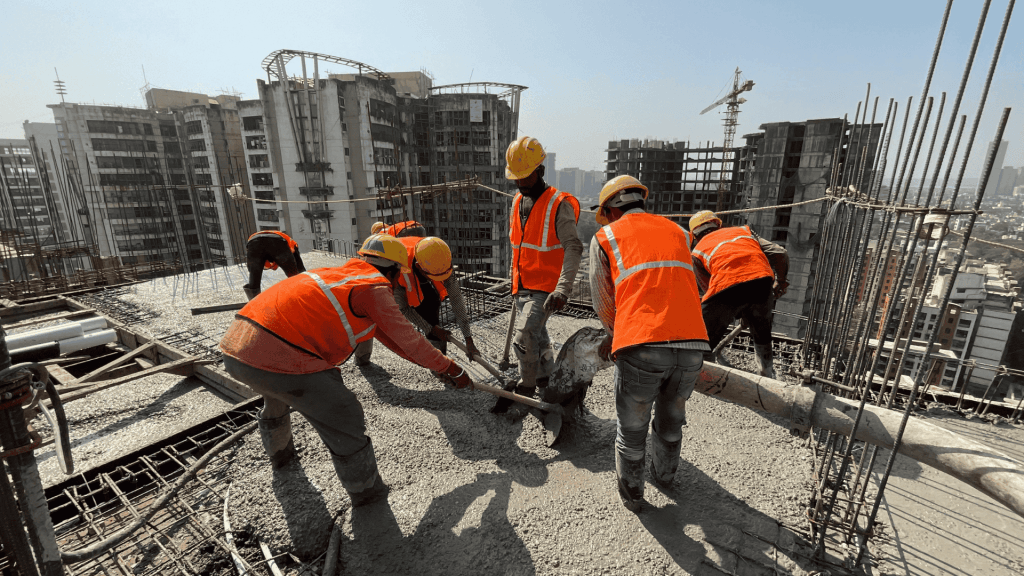
The first on our list are construction workers. These people face some of the most hazardous conditions of any profession. Just looking at a construction worker hanging from a building is enough to give us chills.
On average, more than 1000 people annually lose their lives due to some sort of accident on a construction site. They also suffer severe injuries that have long-lasting consequences to their health.
Between working at great heights, handling heavy machinery, and exposure to dust, chemicals, and noise, the risks are constant. Falls remain the leading cause of injury and death in the industry, while repetitive stress and joint strain wear on workers over time.
Despite advancements in safety equipment, accidents still happen at a concerning rate. In fact, construction consistently ranks among the top industries for workplace fatalities in the US, showing that safety is not yet prioritized.
Truck drivers
Truck driving may not seem as physically hazardous as construction, but the toll it takes is undeniable. If you’re a truck driver yourself, then you know what we’re talking about
Many believe that being a truck driver is easy—you simply sit behind the wheel, transport goods and earn a huge amount of money at the end of each month.
Drivers often spend ten or more hours behind the wheel, facing fatigue, back problems, and limited access to healthy food or exercise. These long hours increase the risk of drowsy driving, which is a leading cause of roadway accidents.
Truck drivers also deal with unpredictable weather and on top of that, they have to face tight deadlines. States with heavy freight traffic, such as Montana, see higher accident rates involving commercial vehicles, which only emphasizes the demanding nature of this profession.
And trucking companies are often ruthless in the way they treat truck drivers, as they impose tight deadlines that leave no room for drivers to take a break.
That’s when truck accidents happen. Instead of accepting responsibility for indirectly causing those accidents, truck companies turn a blind eye, leaving truck drivers having to get in touch with truck accident attorneys in order to prove liability
Healthcare professionals
Nurses, doctors, and other healthcare providers are often praised for their compassion and skill. But not a lot of these healthcare professionals often share the downsides of their jobs.
Long shifts and constant exposure to illnesses put their physical and emotional health at risk. Add to that the lack of sleep and you’ll understand why this profession is more than what meets the eye.
The pandemic only magnified these challenges, pushing many to the brink of exhaustion. Burnout is now a critical issue in healthcare, leading to high turnover rates and mental health struggles. Plus, the physical strain of being on their feet for hours is more than enough to cause even a healthy and fit employee to feel burnout and in need of rest.
Firefighters
Firefighting is one of the most dangerous and physically draining jobs in America. These professionals not only risk burns and smoke inhalation but also face long-term exposure to toxic chemicals that can lead to cancer and respiratory illnesses.
The job requires peak physical strength and endurance, yet the emotional burden can be just as heavy. Responding to traumatic incidents and carrying the weight of responsibility for saving lives leaves a mark on your mental health.
Firefighters often work long shifts with little rest, further compounding the risks to their bodies and minds. Although a truly noble calling, it’s definitely not without its challenges.
Law enforcement officers
Police officers and other law enforcement professionals face both physical and psychological risks. Beyond the obvious dangers of confronting crime and violence, officers work irregular hours, often overnight, which disrupts natural sleep cycles and contributes to long-term health issues.
Working in such a stressful environment is not a picnic and and unfortunately, rates of depression and PTSD among officers are higher than average. The profession demands constant vigilance and physical readiness, but the human body and mind are not designed to withstand such unrelenting pressure without consequences.
Although you can often find memes and TV sitcoms making fun of officers and ridiculing them, many of those working in law enforcement put their lives on the line daily and truly work hard to keep the US safe.
Key takeaways
If your job is not on the list, all we can say is congratulations. However, if your occupation was listed above, we sincerely hope that you’re taking the necessary steps to protect your physical and mental health.
From construction workers who risk fatal falls to truck drivers who battle fatigue on the open road, America’s workforce includes countless individuals who sacrifice their health and safety for the greater good.
These demanding professions highlight the true cost of progress, public safety, and daily conveniences we often take for granted and disregard completely.