To maintain the integrity and value of a business property, invest in a new roof. Roof replacement may arise from unavoidable wear and tear, storm damage, or aesthetic improvements. Regardless of the reason, business owners need to understand the associated costs and develop a comprehensive budgeting strategy. Here, we will illuminate key factors affecting roof installation costs and outline a strategic approach to managing these expenses effectively.
The Factors Affecting Roof Replacement Costs
When considering a roof replacement, there are many factors that contribute to the total cost. The type of roofing material selected can be more affordable than others. The size and scope of the project directly impact labor and material costs, as larger buildings require more substantial investments. Location matters, too. Geographical differences in labor rates and material availability can result in considerable budget variations.
Even the existing structure’s condition influences project expenses. If extensive repairs are needed before the new roof can be installed, costs will increase. Building permits and regulations in different areas can incur additional fees. These elements help with accurate budgeting and minimize unexpected financial strain.
Different Types of Roofing Materials
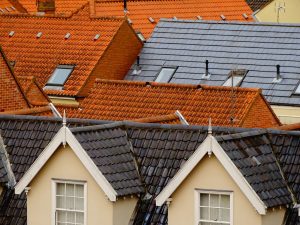
Different roofing materials vary widely in price and longevity. Asphalt shingles represent the least expensive option upfront but may require replacement sooner than other materials, raising long-term costs. Metal roofs offer durability and energy efficiency, but come at a higher initial investment. For business owners with unique architectural needs or aesthetics in mind, tile or slate can be highly appealing. Prolonged lifespan and low maintenance can provide long-term value against the higher upfront cost.
Flat roof options, which may offer a sleek, modern look, come with specific financial considerations. To get a comprehensive budget, obtain a flat roof cost breakdown early in the planning process for better financial forecasting and resource allocation. Choosing the right material impacts the expense and the building’s value.
Getting Multiple Quotes from Roofing Contractors
Different contractors may present varied pricing for similar services, reflecting their experience and market positioning. Requesting detailed written estimates allows business owners to understand the breakdown of costs. Compare the total costs and the materials and labor included in each proposal.
Some contractors might offer warranties that can impact long-term costs and provide protection against unexpected repairs. Engaging with multiple contractors creates negotiation opportunities so that you can leverage quotes against each other to secure a better deal. Each contractor should hold proper licensing and insurance. Business owners can position themselves to make the best financial decision for their roofing needs.
Budgeting for Unexpected Expenses
In any construction project, unexpected expenses can still occur. Setting aside a contingency fund for these unexpected costs can help mitigate financial strain as the project progresses. A typical guideline is to reserve around 10-20% of your total project budget for unforeseen expenses. Hidden damages may become apparent during the roof installation. Inclement weather can stall progress, potentially leading to increased labor costs. Such scenarios highlight the importance of planning financially for items beyond initial projections.
Communication with your contractor can minimize unexpected costs. Regular progress assessments can lead to early identification of areas that may pose financial risks. Maintaining transparent and open communication channels can help you anticipate and manage potential issues before they escalate, preserving your budget.
Considering Financing Options and Incentives
For many business owners, upfront costs can pose a barrier to roof replacement. The good news is that there are many financing options and incentives that can ease the financial burden associated with these projects. A range of lenders offer specialized loans targeting commercial property renovations with favorable terms regarding interest rates and repayment periods. Government programs that encourage energy efficiency may provide financial incentives for upgrading to high-quality roofing materials. Emphasizing energy-efficient solutions can reduce long-term costs and make your business eligible for rebates and tax credits.
Investigating local and federal resources can unveil valuable financial opportunities that align with your roofing needs. Exploring multiple financing avenues can empower business owners to make strategic decisions that improve cash flow and property value.
Maintaining Your New Roof
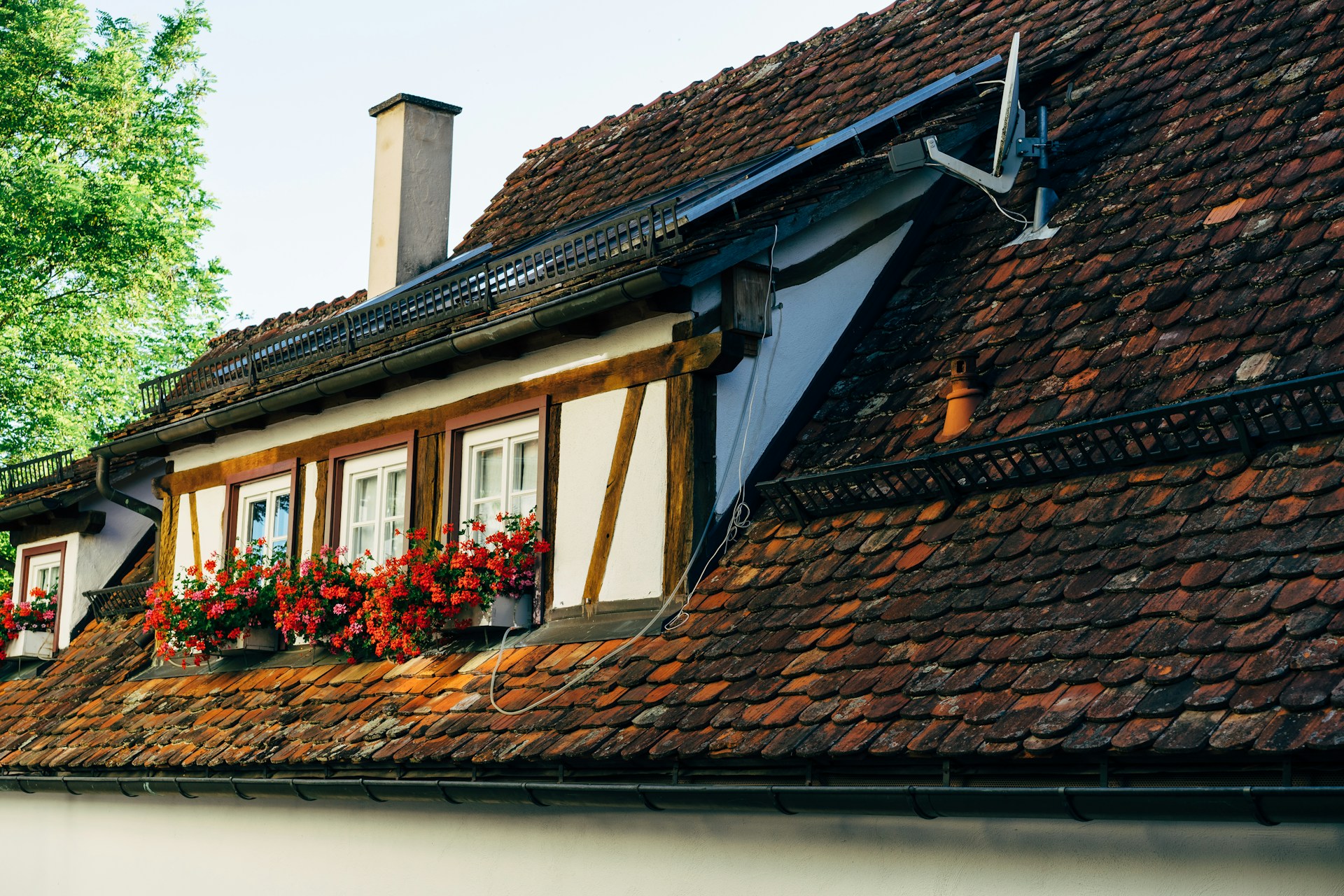
Once the new roof is installed, regular maintenance can maximize its lifespan and preserve value. Clean debris, inspect flashing, and assess gutter systems regularly to prevent water damage and costly repairs. Schedule seasonal check-ups with a reputable contractor so that your roof is in top shape year-round. Educating employees about the signs of potential roof issues can promote a culture of vigilance. Encourage reporting any unusual leaks, discoloration, or signs of structural failure immediately.
Your investment in the roof and the maintenance will pay off by saving money and preserving the building’s value. Educating employees about the signs of potential roof issues can encourage vigilance. Report any unusual leaks, discoloration, or signs of structural failure immediately.
Maintaining a strong budget for a new roof requires careful consideration of multiple factors that can influence costs. To budget for the initial investment and future maintenance, look into potential financing options and save for unexpected expenses. By implementing these strategies thoughtfully, business owners can stay within budget and add to the longevity and value of their commercial properties.