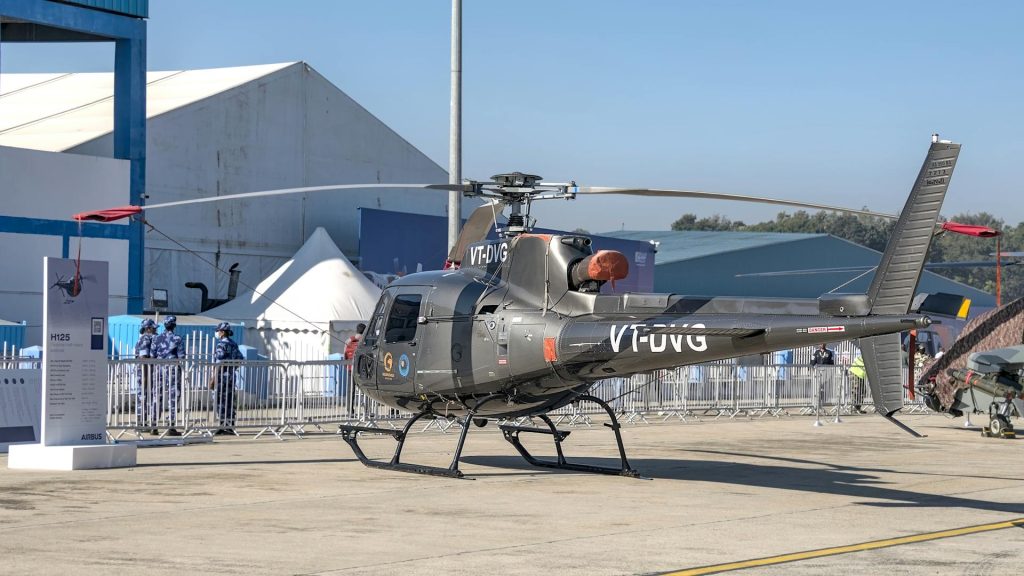
Helicopters are some of the most impressive and unique flying machines in the world of aviation. Their ability to take off and land vertically and hover in place makes them incredibly versatile. However, one of the notable aspects that varies widely among helicopters is their speed. Depending on their type and intended purpose, helicopters can have vastly different cruising and maximum speeds. Understanding these contrasts not only helps us appreciate the engineering behind these remarkable machines but also sheds light on why specific design choices are made to suit particular missions and roles.

Design Influences on Speed
So, how fast can a helicopter fly? Several design elements have a significant impact on the speed at which a helicopter can travel. Among the most important factors are the rotor system, the overall weight of the aircraft, and the type of engine used. For instance, helicopters equipped with larger rotors can generate greater lift, enabling them to carry heavier payloads and operate effectively under challenging conditions. However, larger rotors tend to reduce the helicopter’s maximum speed because they increase drag and limit rotational velocity. Conversely, helicopters with smaller rotors often have the advantage of higher speeds but sacrifice lifting capacity.
The shape and design of the fuselage also play a crucial role. Aerodynamic and streamlined fuselages reduce air resistance, allowing helicopters to travel faster and more efficiently. However, designs that prioritize aerodynamics may sometimes compromise stability or maneuverability. In many cases, engineers must strike a delicate balance between optimizing speed and maintaining other critical flight characteristics such as control, stability, and payload capacity. This balance often depends on the helicopter’s intended use and operating environment.
Purpose-Driven Variations
The intended function of a helicopter heavily influences its design and, consequently, its speed capabilities. Military helicopters, for example, frequently require rapid movement, swift deployment, and the ability to cover large distances quickly. These helicopters are typically equipped with powerful engines and designed with advanced aerodynamics to maximize speed and agility during combat or tactical missions.
On the other hand, helicopters used in search and rescue operations emphasize stability, control, and endurance over raw speed. These aircraft often need to hover in place, maneuver precisely in difficult or confined environments, and operate safely in adverse weather conditions. Such operational priorities often limit their top speed, as stability and safety take precedence over velocity in critical life-saving missions.
Technological Advances
Technological advancements have played a pivotal role in increasing helicopter speed while maintaining safety and efficiency. The adoption of new materials, such as composites and lightweight alloys, has enabled the construction of helicopters that are both stronger and lighter, which in turn supports higher speeds without compromising structural integrity.
Moreover, many modern helicopters now incorporate sophisticated computerized flight control systems. These systems dynamically adjust rotor blade pitch and engine output, optimizing performance in real-time based on flying conditions. By fine-tuning rotor dynamics and engine parameters, pilots can extract the maximum possible speed and fuel efficiency from their aircraft, marking a significant technological leap forward in helicopter design and operation.
Environmental Considerations
Environmental factors can also significantly affect helicopter speed. Weather conditions such as wind direction, speed, temperature, and atmospheric pressure influence flight performance and may require pilots to adjust their flying techniques, sometimes sacrificing speed for safety or fuel economy.
Altitude is another critical factor. As helicopters ascend to higher altitudes, the air becomes thinner, which reduces lift and engine performance. To maintain safe and efficient flight at these elevations, pilots and onboard systems must modify rotor speed and engine power settings. These adjustments help ensure that the helicopter remains controllable and efficient, even though such changes can affect cruising speed.
Economic Factors
Operational cost is a key consideration that influences helicopter design, particularly concerning speed. Generally, helicopters capable of higher cruise speeds consume more fuel, increasing operating expenses. For commercial and civilian operators, balancing speed with cost-effectiveness is essential to maintain profitability and ensure sustainable operations.
Future Prospects
Looking ahead, the future of helicopter speed appears promising. Ongoing research and development efforts aim to double the cruising speeds of helicopters through innovative technologies. Advances such as electric propulsion systems and hybrid powertrains are expected to not only boost speed but also reduce environmental impact and operating costs.
Conclusion
In summary, the speed of a helicopter is influenced by a complex interplay of design choices, intended purpose, technological advancements, environmental conditions, and economic factors. Each of these elements contributes to how helicopters perform and fulfill their specialized roles. As technology continues to evolve, the aspiration for faster, more efficient helicopters remains a driving force behind innovation. Understanding this dynamic interplay provides valuable insight into the remarkable engineering behind helicopters and highlights the exciting future possibilities for these versatile flying machines.