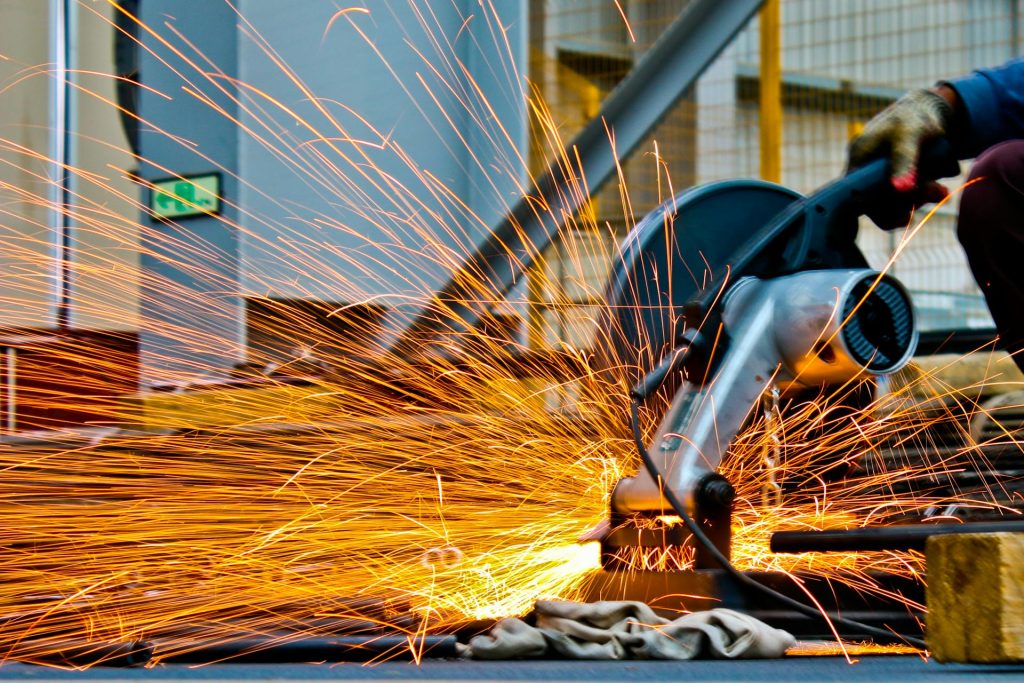
Achieving timely project completion is a significant goal for businesses in various sectors, particularly in construction and manufacturing. The right equipment strategy plays a vital role in this achievement. Companies that invest in the proper tools and implement effective strategies ensure the efficiency of their projects and the safety and satisfaction of their teams. An organization equipped with the best resources can achieve milestones more quickly and with greater quality assurance.
Understanding the Importance of Equipment in Project Management
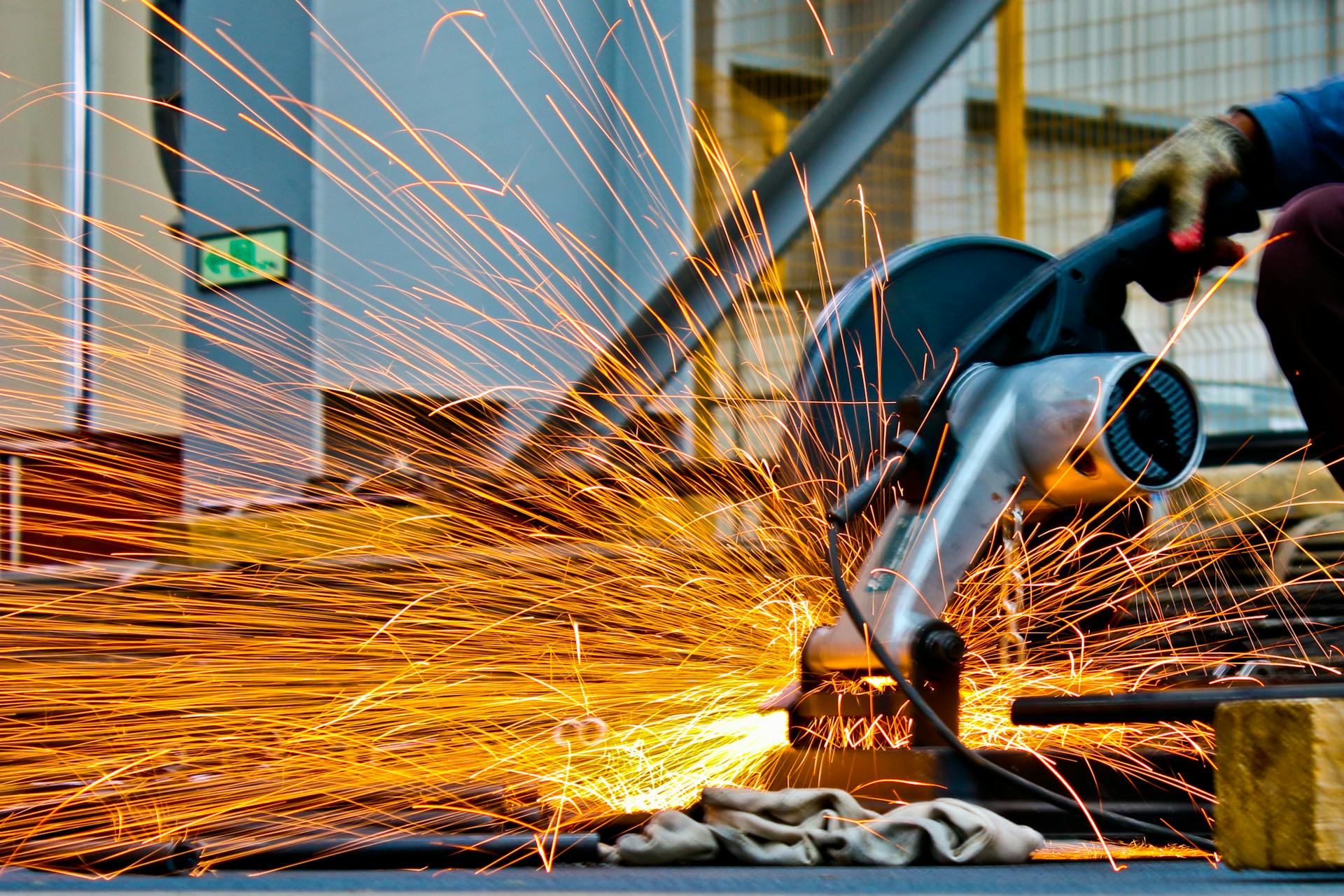
Equipment management is essential in ensuring the smooth operation of any project. Selecting the right tools sets the foundation for success. The importance of equipment in project management includes several factors. First, it affects the speed of work completion; teams equipped with the latest technology achieve tasks more efficiently. Second, proper equipment minimizes downtime resulting from breakdowns or machinery failures. Investing in high-quality machinery ensures durability and reliability.
This efficiency, in turn, translates to less time spent on repairs and more time focused on work progress. Lastly, the right equipment can enhance employee morale; knowing that their tasks are supported by robust tools fosters a positive work environment.
Choosing the Right Equipment
The selection process for construction or manufacturing equipment is crucial. To begin, businesses need to conduct a thorough needs assessment to understand the specific requirements of upcoming projects. Would heavy machinery be essential, or would lightweight tools suffice? There are varying factors to consider, such as the type of material being handled and the environmental conditions of the jobsite. Properly identifying these factors allows businesses to pick the ideal equipment that aligns with their project goals.
Access to the latest models often provides a competitive advantage. Innovations in technology can lead to faster work rates. As industries evolve, tools become increasingly sophisticated, simplifying tasks that once required significant manual labor. Keeping abreast of market offerings and technology trends plays a pivotal role in equipment selection.
Training and Equipment Utilization
Having the right tools ensures success, but effective utilization is equally important. Training employees improves safety and maximizes efficiency. Skilled operators can handle machinery with confidence, which directly impacts project timelines. Regular training sessions can enhance a team’s familiarity with the equipment, allowing them to troubleshoot minor issues and maintain smooth operation.
Implementing standard operating procedures helps everyone in the team know how to use tools properly. This consistency reinforces safety and reduces the risk of accidents. Firms that prioritize training often see lower turnover rates and higher job satisfaction, linking empowered employees to quicker project completions.
Regular Maintenance to Prevent Delays
Regular equipment maintenance cannot be overlooked. Proactive care for machinery results in fewer interruptions and enhances longevity. Scheduled inspections identify potential issues before they become serious problems, which is essential in preventing project delays. Companies should implement a maintenance calendar to ensure all equipment receives the attention and servicing required to perform optimally.
Record-keeping related to maintenance can offer insights into the most reliable equipment. Engaging with reputable service providers further ensures the machinery continues to run smoothly, contributing to the effectiveness of project execution. Investment in maintenance sends a message that you value both your equipment and those who operate it.
Adopting Innovative Equipment Strategies
Innovation in equipment utilization can greatly contribute to project success. Utilizing advancements like telematics allows companies to monitor equipment performance in real time. As data becomes increasingly accessible, project managers can make informed decisions regarding operational efficiency. Technology streamlines processes and can enhance communication across teams.
Understanding the full capabilities of your equipment can uncover new avenues for increased output or improved jobsite safety. For firms prominently situated in The Woodlands, for instance, integrating new technologies can set industry standards and increase customer satisfaction through timely project delivery. Adapting to innovations ensures that your business remains relevant and competitive in a rapidly evolving market.
Evaluating Project Outcomes
After project completion, it is essential to evaluate the outcomes to further refine the equipment strategy. Reviewing successes and challenges provides valuable insights into what equipment worked well and what may need improvement. — Using project management software for construction makes this process easier by tracking equipment usage, project timelines, and task completion, giving managers actionable insights to improve efficiency on future projects.
Analyzing project timelines in relation to equipment effectiveness helps inform future decisions. This critical analysis lays the groundwork for adjustments that can enhance efficiency in subsequent projects. The process of continuous evaluation promotes a culture of growth, preparing teams for even better performance in the future.
Budget Considerations in Equipment Strategy
Creating a robust equipment strategy requires financial foresight and prudence. Understanding upfront costs is just one part of the equation; businesses must consider long-term operational costs. Analysis of how equipment depreciation impacts the budget is vital for strategic planning. Companies should evaluate leasing options versus purchasing equipment outright.
Each option presents distinct financial implications and should align with the business’s project forecasts. To truly maximize investments, firms must understand asset value in relation to productivity gains. These informed financial decisions facilitate better resource allocation across projects, supporting faster and more cost-effective project completion.

Implementing the right equipment strategy can greatly affect project timelines and success. Choosing the appropriate tools, training staff effectively, maintaining machinery regularly, adopting innovative technologies, and evaluating outcomes are all integral steps. Budget considerations further enhance strategic approaches, allowing businesses to plan effectively for the long haul.