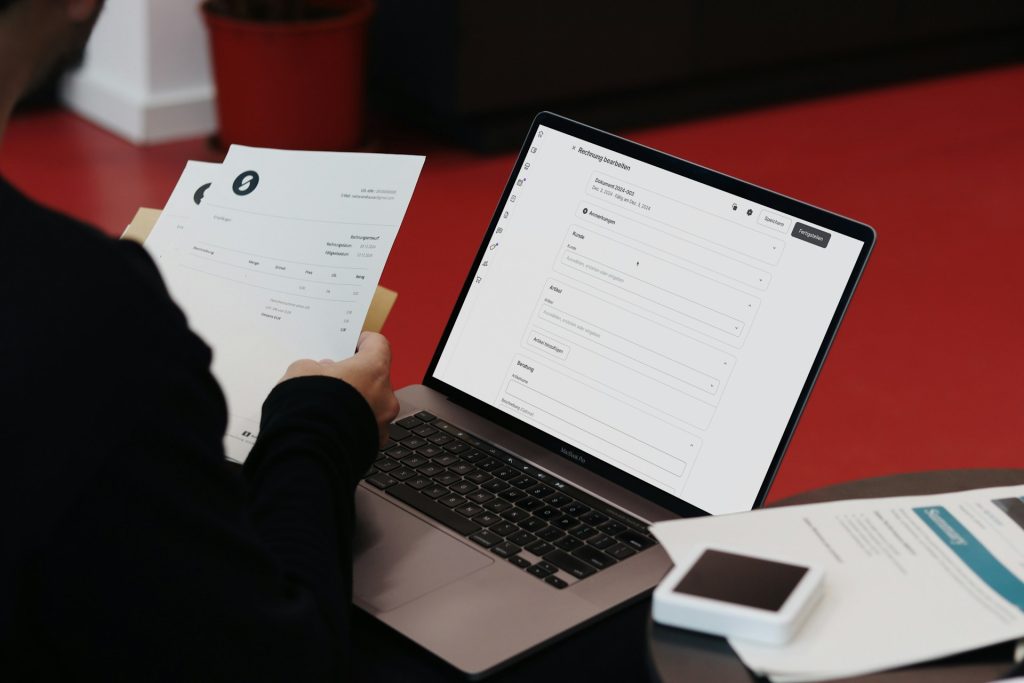
Efficient invoicing can make the difference between a firm that struggles with cash flow and one that thrives with financial stability. As businesses in professional services expand, the right invoicing software becomes an indispensable tool for managing projects, billing clients accurately, and ensuring steady revenue. Choosing the right platform requires careful consideration of features that directly impact productivity, accuracy, and client satisfaction.

Ease of Use and Accessibility
A complex invoicing platform can slow down operations instead of streamlining them. Firms benefit most from intuitive software, with a clear dashboard and straightforward navigation. The ideal solution minimizes the learning curve so teams can begin using it effectively with little training. Cloud-based accessibility also matters, allowing staff to access invoicing tools from anywhere, whether in the office, at a client site, or working remotely. This flexibility is crucial in industries where collaboration extends across different locations.
Well-designed mobile applications further enhance accessibility by enabling employees to review invoices, approve expenses, and communicate with clients while traveling. User-friendly interfaces paired with strong mobile support make invoicing less of a chore and more of a strategic advantage.
Read More: which of the following is a benefit of unified command?
Integration with Project Management
Strong invoicing tools should connect seamlessly with project management functions. When billing is tied directly to project timelines, budgets, and task completion, firms can reduce errors and save time. Accuracy improves significantly when invoices align with tracked hours, milestones, or approved expenses. As the team behind Factor app explains, firms in architecture and engineering often face complex billing needs that require this kind of integrated approach. Their insights highlight how linking financial systems to project workflows ensures reliability and saves staff valuable time.
Integration also prevents data silos by keeping time tracking, expense reporting, and billing under one umbrella. This unified approach gives managers better visibility into both project performance and overall financial health, creating smoother workflows across departments.
Customization and Branding Options
Invoices represent a firm’s professionalism, so customization features are more than cosmetic—they reinforce credibility. The right software allows companies to tailor invoices with logos, colors, and personalized messages, making documents an extension of their brand identity. Custom templates also ensure compliance with client preferences or industry requirements. Beyond aesthetics, firms may need to adapt invoice formats for international clients or different billing structures, such as hourly rates, flat fees, or hybrid models.
Adding flexibility to support recurring billing or retainers is another important consideration. When firms can quickly adapt invoices to reflect diverse contract types, they strengthen client trust while reducing administrative friction.
Automated Reminders and Payment Tracking
Late payments are one of the most common challenges firms face, but invoicing software with automation can help address this issue. Automated reminders keep clients informed of upcoming or overdue payments without requiring manual follow-up from staff. Payment tracking features provide visibility into which invoices are outstanding, reducing administrative headaches. Advanced platforms also include reporting tools that highlight recurring late-payment trends, enabling firms to adjust policies or payment terms accordingly.
Some solutions also allow integration with online payment gateways, giving clients convenient options to settle invoices instantly. The easier it is for clients to pay, the faster firms can maintain consistent cash flow.
Security and Compliance
Financial data is highly sensitive, and firms must ensure that client billing information is secure. Software with advanced encryption, secure login protocols, and regular updates offers peace of mind. Compliance features, such as audit trails and tax calculations, also help firms meet regulatory requirements without added effort. For global businesses, support for multiple currencies and tax rules can be a deciding factor in choosing the right solution. By selecting a platform with robust safeguards, firms lower their risk while protecting client confidence.
Security certifications and independent audits add an extra layer of trust, demonstrating that the software meets industry standards. This reassurance is often a deciding factor for clients who expect strict confidentiality in their financial dealings.
Reporting and Analytics
Beyond sending invoices, advanced platforms provide insights that guide smarter decision-making. Reporting and analytics tools can reveal patterns in revenue, client payment behavior, and project profitability. With these insights, firms can adjust staffing, refine pricing strategies, or identify which clients bring the most value. Dashboards that summarize financial health in real time empower managers to respond quickly to challenges. Over time, leveraging these analytics contributes to long-term growth and stability.
Predictive analytics is becoming increasingly valuable, helping firms anticipate cash flow issues before they arise. With access to these forward-looking insights, firms can move from reactive problem-solving to proactive financial planning.

The best invoicing software goes far beyond simple billing—it acts as a bridge between project management, client relationships, and financial strategy. By prioritizing ease of use, integration, customization, automation, security, and analytics, firms can invest in tools that not only streamline operations but also support sustainable growth.