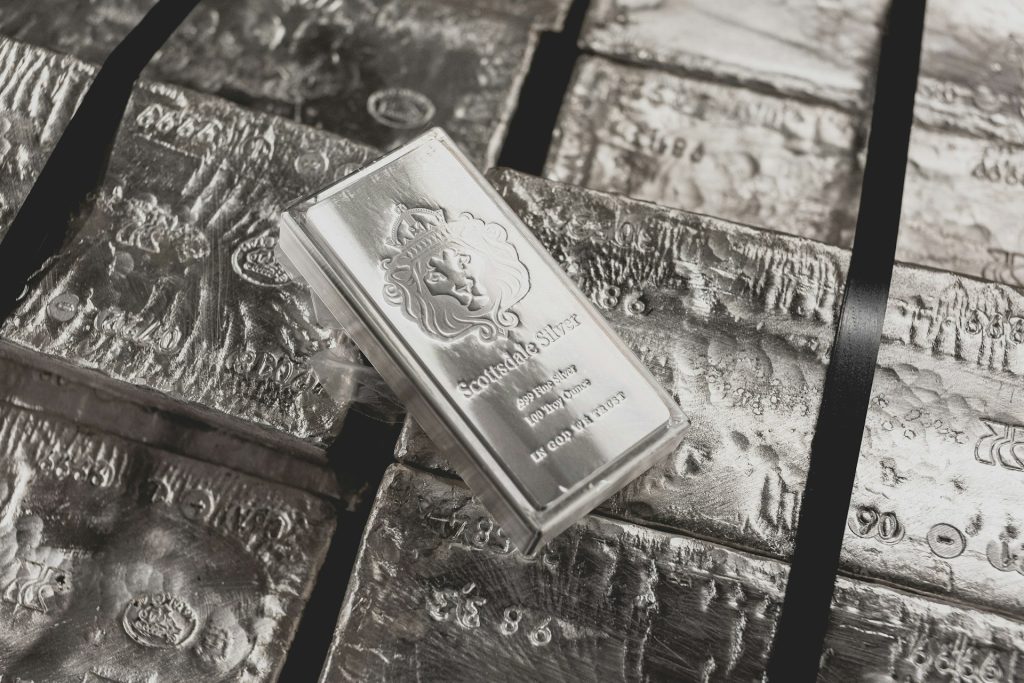
What Is Silver Bullion?
Silver bullion refers to physical silver in the form of bars, coins, or rounds, valued primarily by its weight and purity rather than any collectible or numismatic features. It is one of the most accessible and widely held forms of precious metal, appealing to both new and seasoned investors.
Silver bullion is typically refined to a purity of .999 or higher and is available in a variety of sizes, from fractional ounces to large bars weighing multiple kilograms. Its affordability and liquidity make it a practical entry point for those looking to diversify their assets with tangible, time-tested wealth.
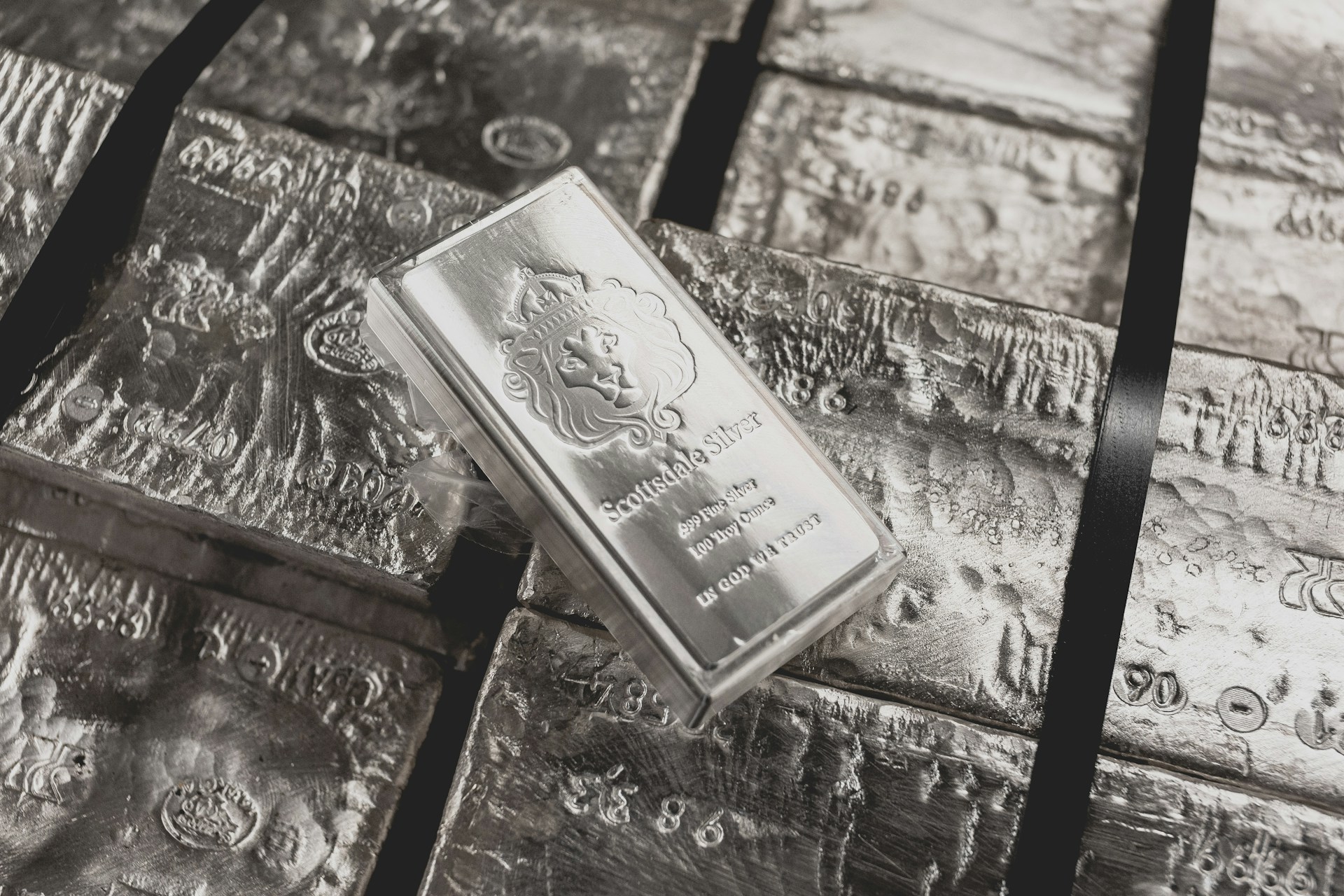
Why Invest in Silver Bullion?
Affordability and Accessibility
Compared to gold, silver is significantly more affordable per ounce, allowing investors to accumulate larger quantities with a modest budget. This makes it an ideal option for those starting out or seeking to build a physical reserve over time. Money Metals provides insights into what makes a coin a collectible asset, helping investors understand factors like rarity, historical significance, and condition to maximize both enjoyment and potential value.
Hedge Against Inflation
Like other precious metals, silver retains intrinsic value and serves as a hedge against inflation, currency devaluation, and systemic risk. During times of economic instability, physical silver can preserve purchasing power where fiat currencies may falter.
Industrial Demand
Silver is not only a monetary metal but also an industrial one. It is widely used in electronics, solar panels, medical equipment, and other high-demand technologies. This dual nature supports long-term value and offers potential upside as global demand for silver rises.
Liquidity and Global Recognition
Silver bullion is easy to trade or sell. Its universally recognized form and hallmarking make it a highly liquid asset. Whether held in coins, bars, or rounds, silver can be exchanged or sold globally with minimal friction.
No Counterparty Risk
When you own physical silver, you hold the asset directly. Unlike paper assets or digital currencies, silver bullion does not depend on third parties to retain its value. This offers a level of financial independence and security not found in most modern investments.
Forms of Silver Bullion
- Silver Bars: Often available in sizes from 1 oz to 100 oz or more, silver bars offer efficient storage and lower premiums per ounce. They are ideal for bulk investors.
- Silver Coins: Minted by government institutions, silver coins are legal tender and often carry recognizable designs. While they may include a slightly higher premium, they are easier to verify and resell.
- Silver Rounds: Similar in size and purity to coins but produced by private mints, rounds are valued solely for their silver content. They typically offer a lower cost per ounce compared to coins.
Storage and Security
Owning physical silver requires proper storage. Many investors use home safes, bank safety deposit boxes, or third-party vaults to keep their bullion secure. To maintain the condition of your silver, it is recommended to store it in dry, temperature-controlled environments and use protective packaging such as coin tubes or bar sleeves.
Insurance may also be considered for larger holdings, offering additional peace of mind.
Conclusion
Silver bullion stands as a resilient and versatile form of wealth preservation. Its affordability, industrial relevance, and intrinsic value make it a compelling choice for anyone looking to secure their financial future with tangible assets.
Whether you are diversifying your portfolio, preparing for uncertainty, or simply seeking a reliable store of value, investing in silver bullion can provide both security and long-term potential. Its global recognition, ease of storage, and independence from financial systems make it a smart and enduring addition to any investment strategy.