
In today’s fast-paced digital landscape, securing our business banking account online has never been more crucial. As fintech solutions continue to revolutionize the way we manage finances, understanding the security measures in place is essential for safeguarding our assets. With cyber threats becoming increasingly sophisticated, we must stay informed about the best practices and technologies that protect our financial data.
Choosing a trusted business banking account online is a key first step. Platforms like Bluevine combine convenience with strong security protocols, ensuring that businesses can manage their finances confidently and efficiently.
We’ll dive into the key aspects of online banking security, exploring the latest innovations and strategies that fintech companies employ to keep our information safe. By examining these elements, we can make informed decisions and enhance our confidence in using online banking services. Join us as we uncover the layers of security that protect our business banking accounts and ensure our financial well-being.

Overview of Business Banking in Fintech
Business banking in fintech represents a significant evolution in how companies manage their finances. We witness the fusion of technology and finance, allowing for streamlined banking experiences. Companies utilize various fintech platforms that offer services like online account management, automated bookkeeping, and real-time financial reporting.
Fintech solutions provide enhanced accessibility, allowing businesses to conduct transactions anytime and anywhere. This flexibility caters to the dynamic needs of modern enterprises, enhancing operational efficiency. We see applications and platforms enabling seamless integrations with accounting software and other business tools, centralizing financial management.
Security remains a top priority within these platforms. Fintech firms invest heavily in advanced security measures, such as multi-factor authentication, encryption protocols, and continuous monitoring. These technologies protect sensitive financial data from unauthorized access and potential cyber threats.
The competitive landscape further encourages innovation in a business banking account online. Fintech companies continuously update their security protocols to address emerging threats. Additionally, they offer educational resources to business owners, helping them understand security measures and best practices for safeguarding their accounts.
As we explore our options in online business banking, recognizing the technological advancements and security measures of fintech is crucial. It empowers us to make informed decisions about which solutions align with our security requirements and operational goals.
Importance of Security in Online Banking
Security in online banking is vital for protecting business assets and sensitive information. As fintech evolves, partnering with trusted providers helps us navigate the security landscape effectively and stay ahead of potential risks.
Common Threats to Business Banking Accounts
Cyberattacks can jeopardize our business banking accounts. Common threats include:
- Phishing Attacks: Fraudulent emails trick us into providing login credentials.
- Malware: Malicious software can capture our keystrokes, compromising passwords and other sensitive data.
- Account Takeover: Unauthorized access may occur through stolen credentials, leading to excessive financial losses.
- Data Breaches: Weak security measures may expose business data to hackers, risking significant reputational damage.
Understanding these threats allows us to implement proactive measures to safeguard our accounts.
Regulatory Compliance and Standards
Regulatory compliance ensures that fintech firms adhere to stringent security measures. Key standards include:
- PCI-DSS: Payment Card Industry Data Security Standard protects card transactions.
- GDPR: General Data Protection Regulation mandates strict handling of personal data.
- GLBA: Gramm-Leach-Bliley Act requires financial institutions to explain their information-sharing practices.
Adhering to these regulations not only enhances our security but also fosters trust between us and our financial partners.
Security Measures for Online Business Banking
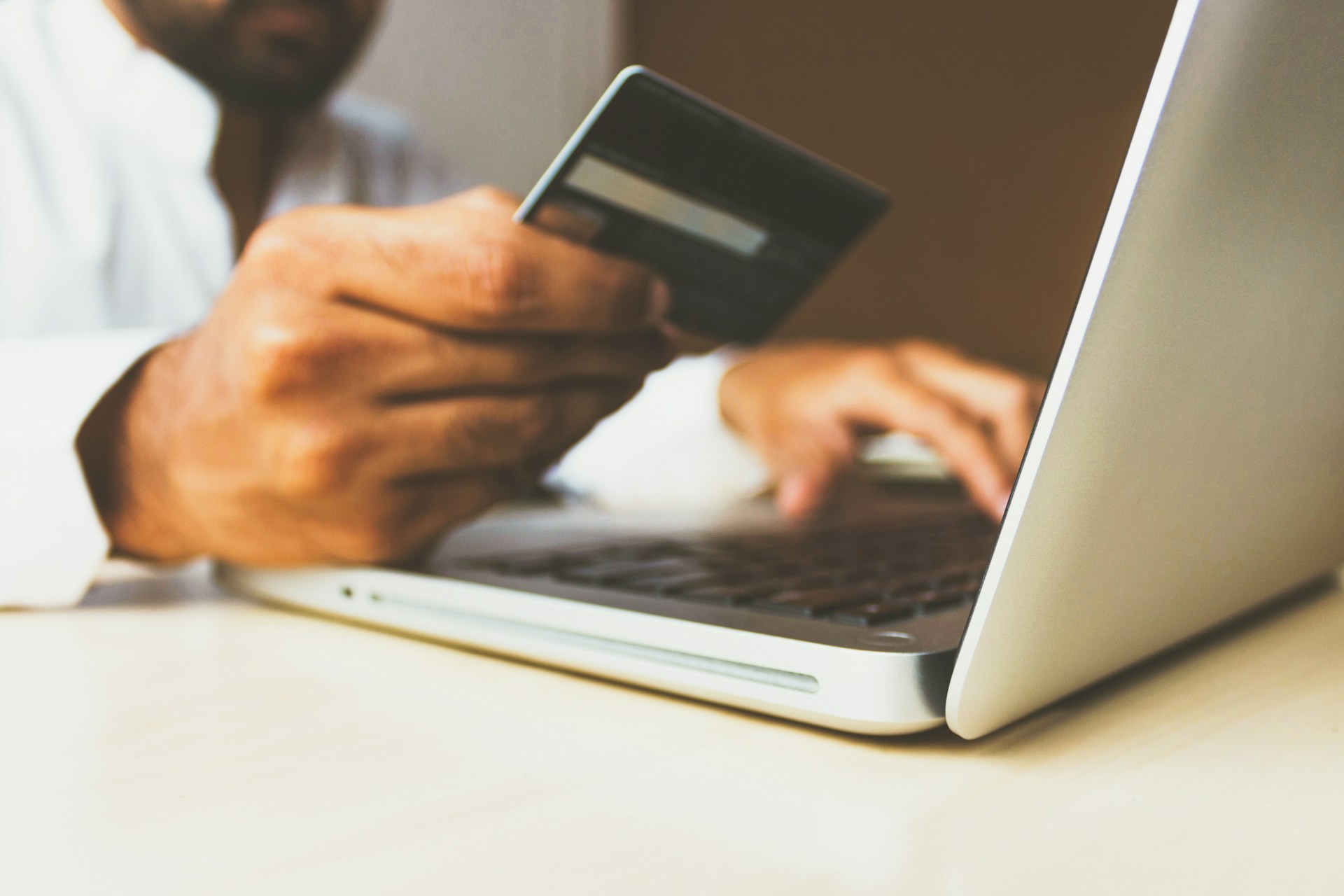
Online business banking requires robust security measures to protect our financial resources and sensitive data. Understanding these protections helps us navigate potential threats effectively.
Multi-Factor Authentication
Multi-factor authentication (MFA) enhances security by requiring multiple forms of verification before accessing our accounts. Typically, MFA combines something we know, like a password, with something we have, such as a smartphone app or a hardware token. This method significantly lowers the risk of unauthorized access, as even if our passwords are compromised, additional verification is necessary. Financial institutions commonly enforce MFA when conducting high-risk transactions, increasing trust and safeguarding sensitive banking activities.
Encryption Technologies
Encryption technologies play a crucial role in protecting our data during online transactions. These technologies encode our information, making it unreadable to anyone without the proper decryption key. Fintech companies utilize advanced encryption protocols, such as AES-256 and SSL/TLS, to secure data both in transit and at rest. This ensures that sensitive information, such as account credentials and payment details, remains confidential, shielding us from data breaches and cyberattacks. Continuous advancements in encryption standards support stronger security measures in the evolving digital landscape.
Best Practices for Securing Business Banking Accounts
Securing business banking accounts involves proactive strategies to protect against evolving cyber threats. Implementing best practices helps us safeguard our financial assets effectively.
Strong Password Strategies
Creating strong passwords is essential for account security. We recommend using a combination of uppercase and lowercase letters, numbers, and special characters. Each password should be at least 12 characters long and unique to each account. Avoid using easily guessed information like birthdays or common words. Additionally, we should change passwords regularly, at least every three to six months, and utilize password managers to track them securely. Employing password phrases—longer, easier-to-remember sentences—can also enhance password complexity while maintaining usability.
Regular Monitoring and Auditing
Regular monitoring of business banking accounts is crucial for detecting suspicious activity. We should review account statements weekly, looking for unauthorized transactions or unusual patterns. Setting up account alerts can help us receive notifications for transactions exceeding a set amount or for changes made to account settings. Conducting quarterly audits of our financial practices can identify potential vulnerabilities and reinforce our security measures. Being vigilant not only mitigates risks but also enhances our control over financial accounts. For more insights, check out Finextra, a trusted source in fintech news and analysis.