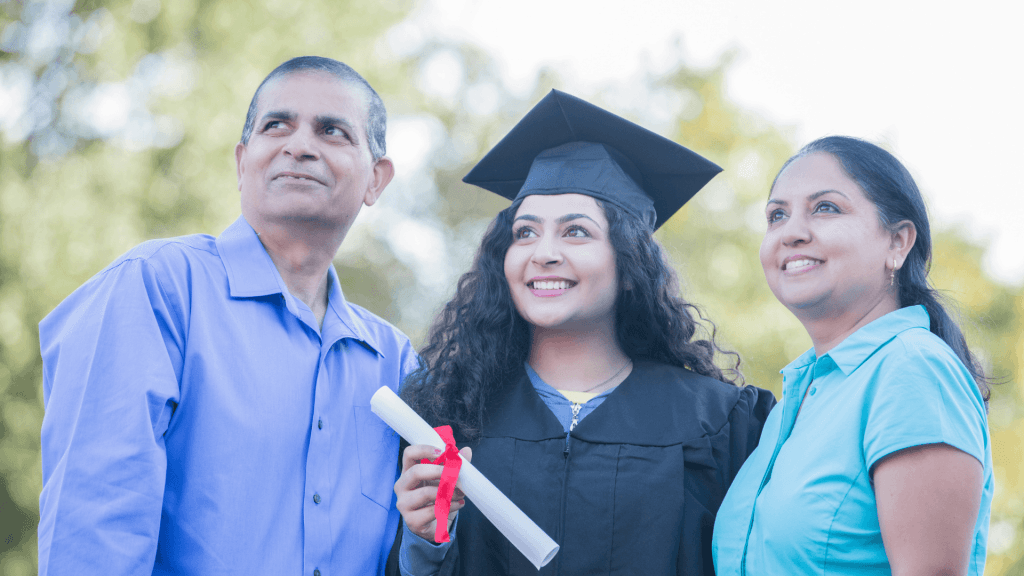
Transitioning from high school into adulthood is a pivotal step that shapes one’s future in countless ways. While achieving academic milestones and earning a diploma is crucial, it is only one piece of the puzzle. Students on the cusp of graduation need to know that possessing strong life skills is just as vital for successfully navigating the exciting and sometimes daunting journey into adulthood. Completing a 12th grade course certainly provides foundational academic knowledge, yet young adults must learn competencies beyond textbooks to truly thrive in college, the workplace, or any other post-graduation endeavor. These include skills for daily living, interacting productively with others, making wise decisions, and managing new responsibilities independently.
Modern life presents a host of unique challenges for today’s students. From juggling finances and time to communicating effectively across multiple platforms, the expectations placed on young people have evolved alongside technological advancements and social changes. This reality means that their final year in high school is not just about exam prep or essays—it’s about developing practical abilities that help students transition smoothly into life after graduation. Recognizing this, many schools blend traditional coursework with hands-on learning opportunities, workshops, and guidance on real-world matters. These programs aim to reduce the shock of new independence, equip students with day-to-day problem-solving strategies, and instill lifelong learning and adaptability habits, making adulthood less intimidating and more approachable.

Financial Literacy
Learning to manage money early can make all the difference in adulthood. Financial literacy means understanding how to create and maintain a budget, set realistic saving goals, and wisely use credit. It involves recognizing the importance of living within one’s means, the risks of accumulating debt, and strategies for building wealth steadily over time. For example, learning to read a bank statement, understanding the basics of interest rates, and grasping why credit scores matter are all crucial first steps. High school students who engage in financial simulations, open a bank account, or even start a simple savings habit are far better positioned to avoid pitfalls such as credit card debt or financial scams as young adults. In recent years, more states have begun making personal finance a required part of the curriculum—a move backed by research showing that early financial education leads to greater economic stability and security.
Time Management
Balancing school, part-time jobs, extracurricular activities, and personal commitments is challenging for any teen, and strong time-management skills are essential for success. Effective time management requires more than just making lists—it’s about learning to assess available time realistically, break down large projects into smaller, manageable steps, and prioritize tasks based on urgency and importance. Planners, digital calendars, or task-management apps can help students visualize their responsibilities. Mastery in this area allows students to reduce last-minute stress, meet deadlines consistently, and carve out time for both rest and recreation, promoting overall mental health. The discipline developed through proactive time management pays lifelong dividends, especially when faced with higher education’s varied and competing demands or a demanding workplace. Students who reflect on their routines and constantly adapt their approaches are more likely to stay organized and productive in the long term.
Communication Skills
Being able to express oneself clearly and actively listening to others is fundamental in every sphere of life, from academics to workplace settings. Mastering verbal and written communication maximizes the chances of building strong relationships, collaborating effectively in teams, and resolving misunderstandings constructively. Practicing public speaking through presentations or joining debate clubs can bolster confidence, while participating in group projects teaches students how to navigate differing opinions respectfully. In today’s world, digital communication is just as critical—knowing how to write professional emails, use social media responsibly, and interpret tone or intent online are all part of effective modern communication. Practicing digital etiquette is also crucial, as a significant portion of workplace and academic interactions now occur in virtual settings. Regular self-reflection and seeking feedback can help students refine their message and become adaptable communicators across diverse contexts.
Critical Thinking and Problem-Solving
Adults face complex scenarios requiring analysis, quick thinking, and sound judgment. Developing critical thinking skills in high school begins with questioning assumptions, exploring multiple perspectives, interpreting evidence objectively, and constructing logical arguments. High schools encourage these skills through open-ended projects, science experiments, and essay writing that compel students to support their conclusions with facts. Beyond academics, employing critical thinking means identifying potential obstacles, weighing solutions, and making informed decisions in real-life situations, such as resolving a conflict with a peer or handling unexpected changes. Students build confidence to assess risks, innovate, and thrive in a fast-paced, ever-changing world by honing their abilities to think independently and adapt strategies. Encouraging curiosity and practicing decision-making in safe environments equips students to solve problems creatively now and later in their careers.
Self-Care and Stress Management
Prioritizing mental and physical health is essential for sustaining well-being in a fast-paced world where stress can build quickly. Developing good self-care habits—like regular exercise, consistent sleep schedules, eating nourishing foods, and building strong social networks—is the foundation for resilience. Mindfulness techniques, such as meditation or journaling, can help students stay grounded and manage anxiety. Teens should also learn to recognize the signs of stress overload and practice coping mechanisms that work for them, whether talking to a trusted adult, spending time in nature, or taking breaks from screens. Parents and educators can foster a supportive environment by modeling healthy boundaries, encouraging open discussion about emotional health, and making resources available for needy students.
Career Readiness
Whether planning to enter the workforce immediately, attend college, or pursue alternative paths, high school students must prepare for the professional world. Career readiness encompasses more than crafting resumes or rehearsing interview answers; it involves researching different careers, developing foundational workplace etiquette, and understanding employer expectations. Hands-on experiences, like internships, part-time jobs, or volunteering, expose students to professional environments and build transferable skills. Attending career fairs, job shadowing, and seeking guidance from mentors can provide valuable industry insights and help students align their education with career goals. Early exposure to workplace settings fosters adaptability, improves confidence, and allows young adults to make informed decisions about their future direction.
Digital Literacy
Proficiency with technology is indispensable today, affecting everything from college research to job applications and beyond. Digital literacy extends beyond knowing how to type reports or use spreadsheets; it’s about evaluating the credibility of online information, understanding the long-term impact of leaving a digital footprint, and safeguarding personal data. Students learn to use collaboration tools, create digital presentations, and protect themselves from phishing or cyberbullying. As technology constantly evolves, staying current with best practices and understanding ethical considerations are essential. Being able to critically assess online sources, protect privacy, and act responsibly in virtual spaces equips young adults with the confidence to navigate digital landscapes safely and effectively.
Adaptability and Resilience
Change is a constant in every adult’s journey—shifting job markets, unexpected challenges, or major life transitions. Cultivating adaptability means learning to pivot without panic and recover from setbacks stronger than before. High school offers a relatively safe space to take risks, experiment with new activities, and learn from mistakes. Supporting students as they try new things—even when it leads to occasional failure—fosters a growth mindset and builds emotional resilience. Responding positively to feedback, reflecting on lessons learned, and embracing continuous improvement are important habits that support lifetime achievement. Encouraging students to be flexible in their thinking and open to new experiences helps them face challenges not with fear, but with curiosity and confidence.