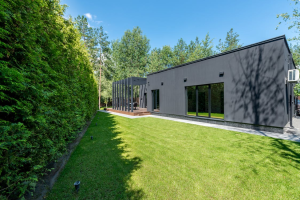
Homeownership has long been considered a significant milestone in life. It symbolizes stability, independence, and achievement. Yet, with rising property prices and a complex financial landscape, it can feel like an impossible goal. However, owning a home doesn’t have to be out of reach, even if you’re working with a modest budget. By breaking down the process and making smart choices, homeownership can be a reality for nearly anyone. Here’s how to make it happen on any budget.

Understand Your Financial Situation
Before diving into the process of buying a home, it’s essential to understand your financial situation. This step is crucial to ensuring that you don’t overextend yourself and can comfortably manage a mortgage while maintaining your lifestyle.
Start by reviewing your monthly income and expenses. Make a list of your debts, savings, and any investments. Knowing your financial standing will help you determine how much you can afford to spend on a home.
Check Your Credit Score
Your credit score plays a key role in determining your eligibility for a mortgage and the interest rates you’ll receive. A higher score can lead to lower rates, saving you thousands in the long run. To increase your chances of securing a favorable mortgage, try to pay down any outstanding debts and ensure that your credit report is accurate.
Set a Realistic Budget
One of the most critical steps in making homeownership possible is establishing a realistic budget. Understand that your budget will likely differ from your ideal “dream home” scenario. It’s important to differentiate between your desires and your needs.
When setting a budget, aim for a monthly mortgage payment that doesn’t exceed 28-30% of your gross income. This helps ensure that you can manage your monthly payments while also having enough for other expenses. Keep in mind that homeownership comes with additional costs beyond the mortgage, such as maintenance, insurance, and taxes.
Account for Extra Costs
Don’t forget to factor in home maintenance, utilities, property taxes, and homeowners insurance. These extra costs can sometimes catch people off guard, especially when buying a home for the first time. Including these expenses in your budget will help you avoid financial stress down the road.
Shop Around for a Mortgage
Mortgages are an essential part of the home buying process for most people, but finding the right one can be tricky. The terms of your mortgage, including the interest rate and length of repayment, will have a substantial impact on the overall cost of your home.
Understand the Different Types of Mortgages
There are several types of mortgages to choose from, each with its own pros and cons. Fixed-rate mortgages are the most common, offering consistent monthly payments over the life of the loan. Adjustable-rate mortgages (ARMs), on the other hand, start with lower rates that can increase over time; therefore, they are better suited for those planning to move or refinance within a few years.
Consider Mortgage Rates
Mortgage rates vary based on several factors, including your credit score, the size of your down payment, and prevailing market conditions. A small difference in interest rates can add up to thousands of dollars throughout a 30-year mortgage. By comparing offers from different lenders, you can ensure you get the best possible deal.
Some lenders may also offer incentives or special programs for first-time homebuyers, so it’s worth shopping around. Additionally, consider consulting a mortgage broker who can guide you through the process and help you find the best options.
Save for a Down Payment
A down payment is one of the most significant hurdles in the home buying process. While many believe that 20% is the standard, numerous options require significantly less. In some cases, first-time homebuyers can secure a mortgage with as little as 3% down.
Explore Government Programs
Several government-backed programs can help first-time buyers secure a home with a low down payment. The Federal Housing Administration (FHA) offers loans with as little as 3.5% down for qualifying buyers. Additionally, there are options like VA loans (for veterans) and USDA loans (for rural properties) that don’t require a down payment at all.
It’s also worth looking into local or state-based programs that may offer down payment assistance or grants. These can make a significant difference in your ability to afford a home on a smaller budget.
Look for Homes in Affordable Areas
When searching for a home, location plays a significant role in both price and lifestyle. While major cities tend to have higher property values, there are often more affordable options in the suburbs or rural areas.
Don’t Be Afraid to Compromise
Consider buying a home in a more affordable area, even if it’s not your ideal neighborhood. Often, moving to the outskirts of a city or into a smaller town can significantly reduce the cost of homes while still offering excellent access to amenities, schools, and public transportation.
If you’re working with a tight budget, focusing on smaller properties or homes that need a little work can also save money. These types of homes often come at a reduced price, and you can increase their value with renovations over time.
Consider Alternative Financing Options
If traditional mortgage lenders aren’t an option, there are alternative ways to finance a home. These methods may involve more flexibility and lower barriers to entry.
Explore Owner Financing
Owner financing is an option in which the seller acts as the lender. Instead of going through a bank or financial institution, the buyer makes monthly payments directly to the seller. This can be a good option for buyers who may not qualify for traditional financing but have the means to make consistent payments.
Look Into Rent-to-Own Options
Another option is rent-to-own, where you rent a home with the option to buy it after a set period. A portion of the rent may be credited toward the purchase price, helping you save for the down payment while living in the property. While not as common as traditional sales, rent-to-own agreements can provide a pathway to homeownership for those struggling to save for a down payment.
Build Equity Slowly
Once you own a home, the goal is to build equity over time. Equity is the portion of the home’s value that you own, and it grows as you pay down your mortgage.
Pay More Than the Minimum Payment
If possible, consider making extra principal payments toward your mortgage. Even small additional payments can help you build equity faster, which means you’ll pay off your mortgage sooner. This also reduces the amount of interest you’ll pay in the long term.
By paying off your mortgage faster, you’ll also be able to free up money for other investments or upgrades to your home.
Conclusion
Homeownership might seem out of reach, especially on a tight budget, but with the right planning and knowledge, it’s possible to turn the dream of owning a home into a reality. Start by understanding your finances, setting a realistic budget, and exploring affordable housing options. With determination and smart choices, you can navigate the path to homeownership, no matter your budget.

Peyman Khosravani is a global blockchain and digital transformation expert with a passion for marketing, futuristic ideas, analytics insights, startup businesses, and effective communications. He has extensive experience in blockchain and DeFi projects and is committed to using technology to bring justice and fairness to society and promote freedom. Peyman has worked with international organizations to improve digital transformation strategies and data-gathering strategies that help identify customer touchpoints and sources of data that tell the story of what is happening. With his expertise in blockchain, digital transformation, marketing, analytics insights, startup businesses, and effective communications, Peyman is dedicated to helping businesses succeed in the digital age. He believes that technology can be used as a tool for positive change in the world.