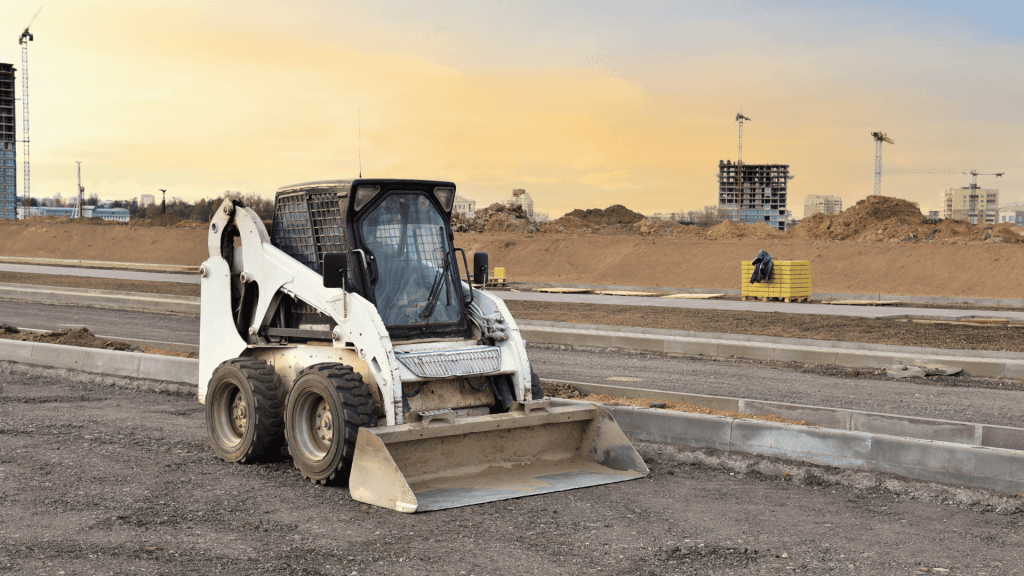
From contractors to landscapers and property owners, a skid steer is a marvelous tool to a multitude of your needs. They’re compact, powerful, and have revolutionized the approach to numerous tasks we all attack at one time or another.
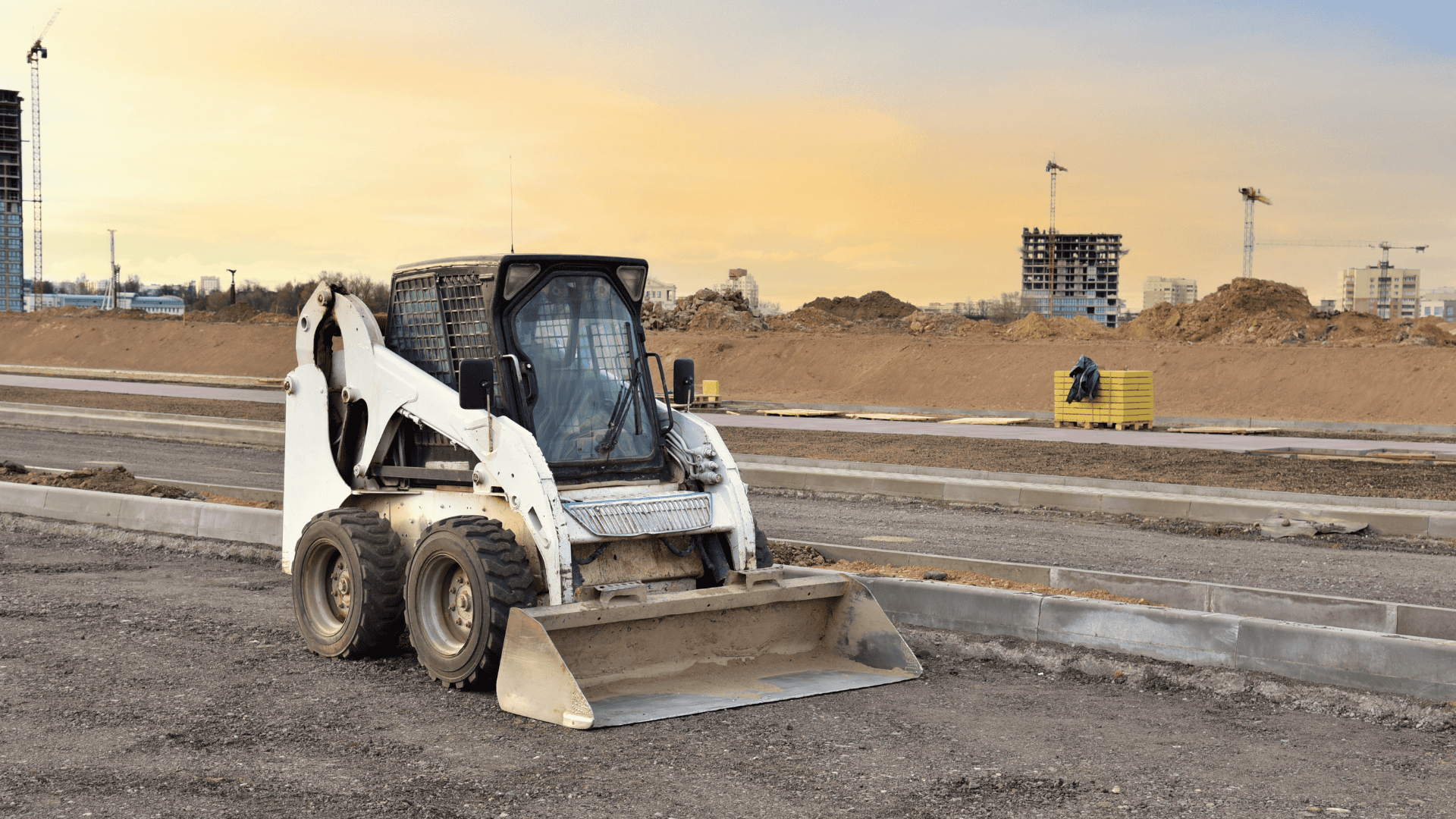
What Makes a Skid Steer Special
A skid steer gets its name from how it turns – by skidding or dragging its wheels rather than using a traditional steering wheel system. When renting a Kubota skid steer, the left and right wheels operate independently, allowing you to pivot in place or make incredibly tight turns. This unique design gives you maneuverability that’s simply impossible with other equipment.
The compact size is deceiving. Despite being small enough to fit through standard doorways and navigate tight spaces, these machines pack serious power. You’ll find operating weights ranging from 1,500 to 12,000 pounds, with lift capacities that can handle everything from mulch to massive boulders.
Features You Should Know About
Your skid steer’s versatility comes from its quick-attach system. Think of it as a Swiss Army knife for construction equipment. You can swap attachments in minutes, transforming your machine from a digger to a sweeper to a snow blower. The hydraulic system powers these attachments, giving you consistent performance regardless of what you’re using.
Modern skid steers offer two main control options: traditional hand controls with levers, or pilot controls that use joysticks. If you’re new to operating heavy equipment, pilot controls tend to be more intuitive. The enclosed cab protects you from debris and weather while providing excellent visibility.
Popular Uses That Might Surprise You
While yes, construction sites are the main place you’ll find a skid steer, they do far more than digging and hauling. You’ll see them clearing snow in parking lots, maintaining golf courses, and even assisting with disaster cleanup. Landscapers rely on them for grading, tree removal, and installing hardscaping features.
Agricultural operations use skid steers for:
- Cleaning barns and moving feed
- Loading and unloading materials
- Maintaining drainage systems
- Handling hay bales and livestock equipment
The compact design makes them perfect for working in established landscapes where larger equipment would cause damage.
Choosing the Right Size for Your Needs
Small-frame skid steers (under 1,750 pounds) excel at detail work and indoor projects. You’ll appreciate their gentle ground pressure and ability to work in finished areas. Mid-size machines (1,750 to 2,200 pounds) offer the sweet spot for most users – enough power for serious work while maintaining good maneuverability.
Large-frame models (over 2,200 pounds) bring serious lifting capacity and stability for heavy-duty applications. Consider your typical load requirements and work environment when making your choice.
Attachment Options That Expand Your Capabilities
The attachment ecosystem is where skid steers truly shine. Standard buckets handle most digging and loading tasks, but specialty attachments transform your machine’s capabilities. Augers let you dig perfect holes for posts or trees. Brush cutters tackle overgrown areas that would be impossible to clear by hand. Concrete mixers, stump grinders, and trenchers are just a few options that can replace multiple specialized machines.
Remember that proper operator training isn’t just about safety – it’s about efficiency. Understanding your machine’s capabilities and limitations helps you complete projects faster and with better results. Your skid steer isn’t just equipment; it’s a productivity multiplier that can transform how you approach your work.

Peyman Khosravani is a global blockchain and digital transformation expert with a passion for marketing, futuristic ideas, analytics insights, startup businesses, and effective communications. He has extensive experience in blockchain and DeFi projects and is committed to using technology to bring justice and fairness to society and promote freedom. Peyman has worked with international organizations to improve digital transformation strategies and data-gathering strategies that help identify customer touchpoints and sources of data that tell the story of what is happening. With his expertise in blockchain, digital transformation, marketing, analytics insights, startup businesses, and effective communications, Peyman is dedicated to helping businesses succeed in the digital age. He believes that technology can be used as a tool for positive change in the world.