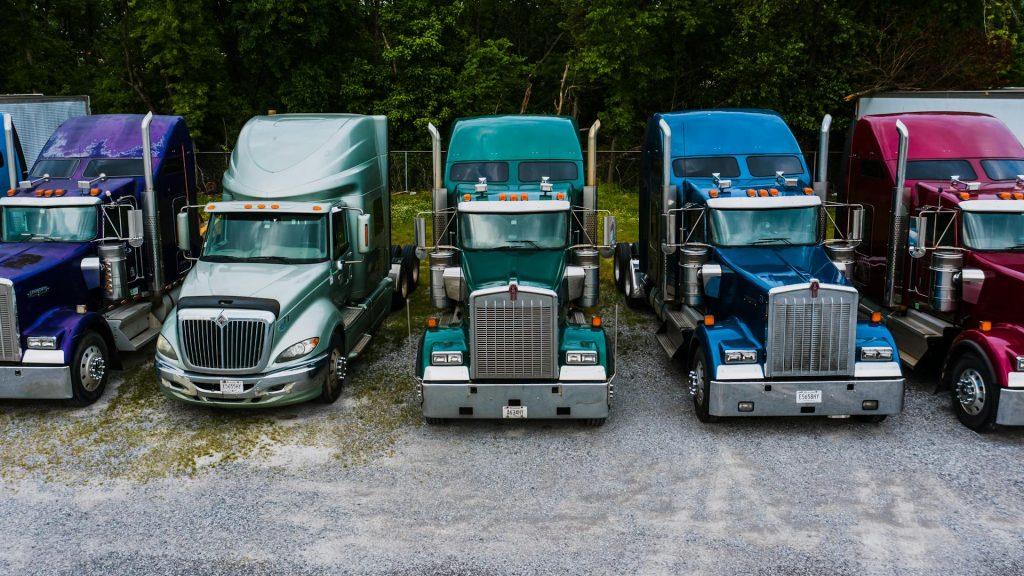
Managing a group of vehicles involves much more than just watching a map. Data helps owners find ways to save money and keep drivers safe on the road.
Modern technology gives managers a clear look at how every truck or van operates. These tools turn daily driving into a list of numbers that help a business grow. Every mile driven becomes a chance to improve.
Tracking Fuel Economy
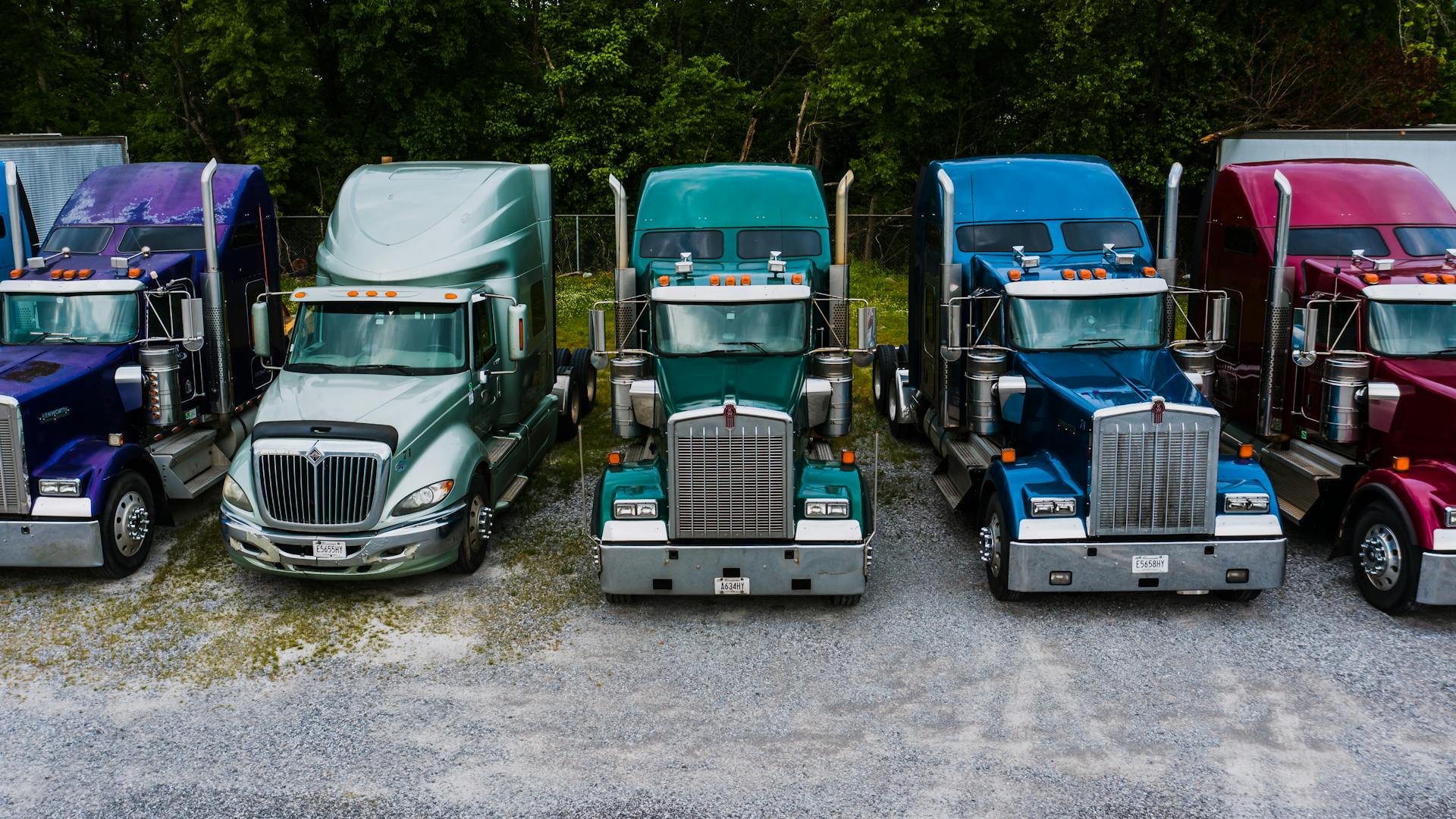
Fuel is often the highest cost for any transport company. Monitoring idle times and speed helps reduce how much gas is wasted every day.
Small changes in driving habits lead to big savings over a full year. Using fleet dash cam systems for commercial fleets provides the context needed to see why fuel is disappearing. Drivers can learn to avoid hard braking and fast starts to keep costs down.
Detailed reports show which routes use the most fuel. Managers can then plan better paths to avoid traffic and long idling periods. Data helps the team stay efficient even when gas prices rise. Reducing waste helps the company meet environmental goals, a goal that many clients now value.
Improving Driver Safety Records
Safe driving protects the team and the public from harm. Monitoring tools track speeding and harsh turns to identify who needs more training.
A leading industry publication mentioned that using advanced scorecards lets companies set high safety standards across the whole group. Managers use scores to reward the best drivers and coach those who struggle. Drivers appreciate having clear goals and fair ways to show their skills.
Lowering the number of accidents helps reduce insurance premiums. It maintains the company’s reputation with the local community. Safe habits keep the trucks out of the repair shop and ready for work.
Lowering Maintenance Costs
Regular upkeep prevents expensive repairs that take vehicles off the road. Sensors track engine health and alert the shop when a part starts to fail.
Catching a small leak early is much cheaper than replacing a whole engine. A proactive approach keeps the fleet moving and avoids the stress of sudden breakdowns. Avoiding major repairs keeps the budget predictable for the whole fiscal year.
Digital logs make it easy to see the service history of every unit. A clear record helps maintain the resale value of the trucks when it comes time to upgrade. Managers can plan for new purchases with confidence.
Reducing Idle Times
Engines running while parked waste thousands of dollars in fuel. Software shows exactly where and when a driver leaves the truck running for too long.
One trade magazine report predicted the global market for tracking tools will hit $52.4 billion by 2027. The demand for tracking systems stays high since they stop money from vanishing into thin air. Smaller carbon footprints come from burning less fuel during long breaks.
Setting alerts for long idles helps drivers stay mindful of their habits. Reducing time lowers the wear on the engine and extends its life. Less time idling means cleaner engines and fewer oil changes.
Improving Delivery Accuracy
Customers expect to know exactly when their packages will arrive. Live tracking gives dispatchers the power to provide real-time updates to every client.
An article about fleet tech suggested that video data is becoming just as foundational as GPS location was in the past. Having both pieces of info helps solve disputes and proves when a delivery was made. Happy customers are more likely to sign long-term contracts after seeing reliable service.
Efficient routing means more stops can be made in a single shift. This boost in productivity allows a business to take on more work without adding more staff. Profits grow when drivers finish their routes on time.
Better Route Planning
Old paper maps cannot keep up with modern road closures or accidents. Digital mapping tools find the fastest path based on current road conditions.
Better routes mean less time spent sitting in traffic and more time earning money. Less time spent in gridlock makes the workday easier for every person on the road.
Efficiency Gains
- Faster response times for customer calls.
- Lower mileage on every vehicle in the fleet.
- Reduced fatigue for drivers who spend less time behind the wheel.
Analyzing past trips helps identify bottlenecks that happen at certain times of the day. Managers can then shift schedules to keep the fleet moving during peak hours. A forward-thinking method keeps the entire operation fluid.
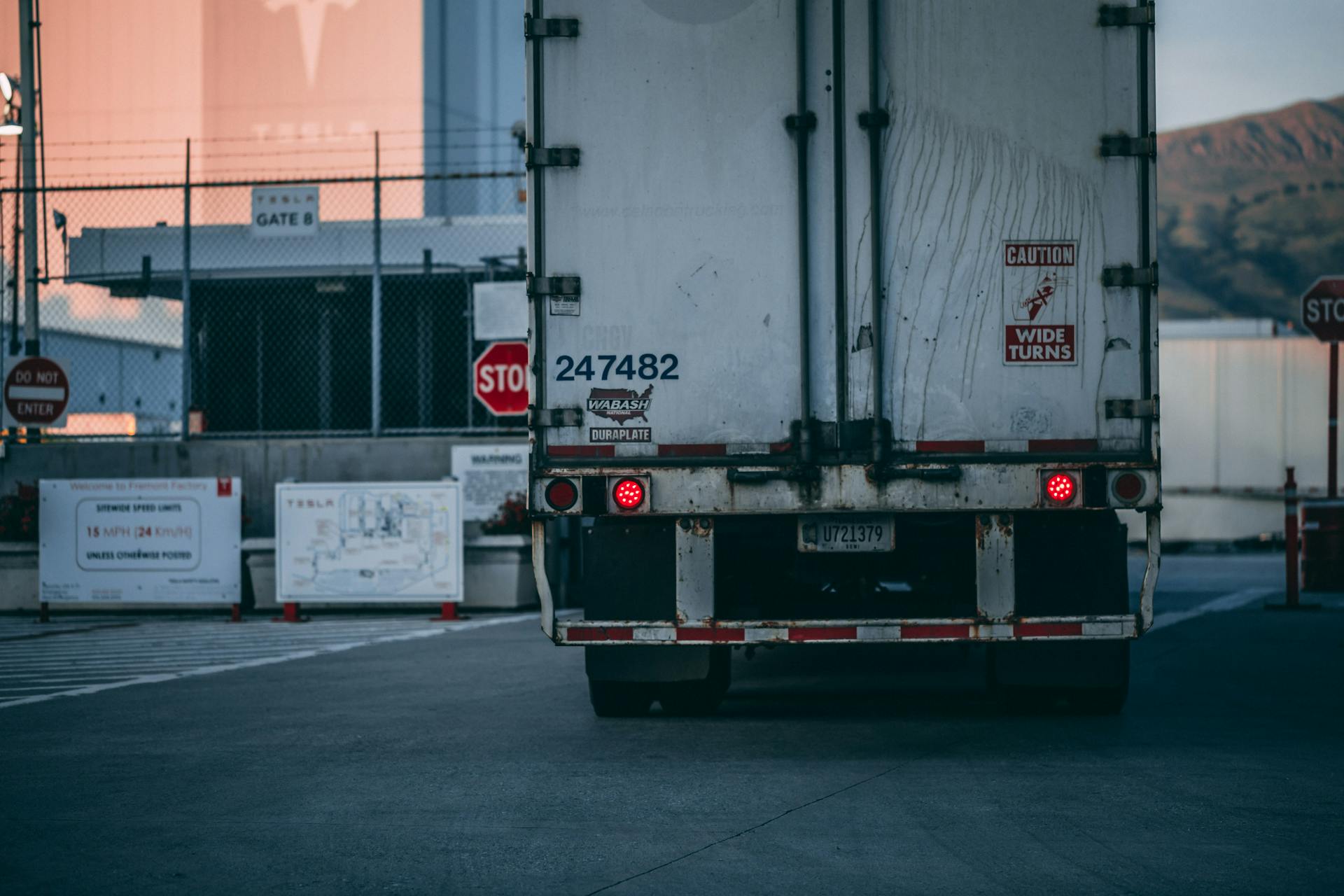
Improving metrics creates a more stable and profitable business. Data takes the guesswork out of daily operations and lets managers lead with facts.
Investing in the right tools pays off through lower costs and a safer work environment. The future of transport relies on using every bit of info to stay ahead of the pack. Teams that use data today will win the market tomorrow.

A dad of 3 kids and a keen writer covering a range of topics such as Internet marketing, SEO and more! When not writing, he’s found behind a drum kit.